The corridors of international diplomacy frequently witness subtle gestures that carry profound geopolitical weight, instantly shifting regional equations. When global leaders gather at multilateral forums, a simple handshake or a deliberate avoidance can signal major realignments in international relations, reshaping strategic narratives across continents.
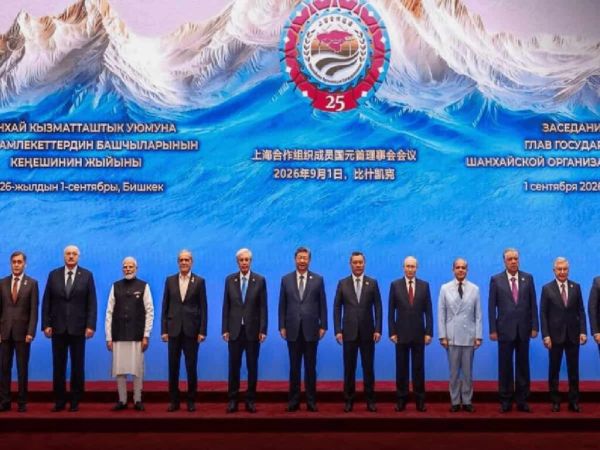
The Shanghai Cooperation Organization (SCO) summit in Bishkek, the capital of Kyrgyzstan, provided a dramatic backdrop for just such a diplomatic moment. As world leaders converged for high-level deliberations, a notable interaction between Indian and Chinese leadership captured global attention, while neighboring Pakistan found itself noticeably sidelined.
Warm Handshake Between PM Modi and Xi Jinping
Amidst lingering strategic tensions that have characterized bilateral ties since the 2020 military standoff in the Galwan Valley, Prime Minister Narendra Modi and Chinese President Xi Jinping crossed paths on the sidelines of the SCO summit. During the customary group photograph session featuring participating heads of state, PM Modi warmly shook hands and exchanged greetings with the Chinese President, as well as Russian President Vladimir Putin.
This high-profile encounter marks a closely watched moment in India-China relations. Ever since the violent clashes along the Line of Actual Control in June 2020 froze normal diplomatic bonhomie and triggered massive military force deployments along the border, any direct engagement between the top leaders of the two Asian giants has been subjected to intense scrutiny by geopolitical analysts worldwide.
Pakistan PM Shahbaz Sharif Sidelined at the Summit
While New Delhi and Beijing engaged in cautious diplomatic optics, Pakistan’s Prime Minister Shahbaz Sharif experienced a starkly different reality on the global stage. Standing nearby during the leader gatherings, the Pakistani premier remained largely isolated, with no significant bilateral conversation or interactive warmth reported between PM Modi and Sharif.
The sharp contrast between India’s central diplomatic engagement with major global players and Pakistan’s marginalized presence underscored Islamabad’s diminishing leverage within multilateral security frameworks. Both nations participate as full members of the SCO—which was originally established in 2001 and expanded to include India and Pakistan in 2017, alongside subsequent additions like Iran and Belarus—yet the diplomatic spotlight firmly favored New Delhi’s proactive regional strategy.
PM Modi and Vladimir Putin Discuss Peace and Bilateral Ties
Expanding his diplomatic outreach prior to the main summit sessions, Prime Minister Narendra Modi held extensive bilateral talks with Russian President Vladimir Putin. Core discussions between the two leaders centered on the protracted Russia-Ukraine war, with Prime Minister reiterating India’s principled stance on global peace and humanitarian welfare.
Emphasizing that every ongoing day of conflict inflicts heavy damage on humanity, PM Modi stressed the urgent necessity of bringing hostilities to a swift end, affirming that India remains fully supportive of all genuine international efforts toward a peaceful resolution. Additionally, both leaders reviewed expanding frameworks of bilateral cooperation across vital sectors, including bilateral trade, strategic investments, energy security, and fertilizer supply chains.
The Strategic Importance of the SCO for Indian Foreign Policy
Participation in the Shanghai Cooperation Organization serves as a vital cornerstone of India’s broader Eurasian foreign policy. The multilateral platform enables New Delhi to maintain robust diplomatic, economic, and security dialogues with Central Asian republics, Russia, and regional neighbors.
By actively shaping discussions on counter-terrorism, regional stability, economic connectivity, and energy infrastructure, India continues to project its stature as a responsible global power. Prime Minister Modi’s calculated engagements at the Kyrgyzstan summit once again demonstrated India’s capacity to navigate complex geopolitical landscapes with strategic autonomy and unwavering diplomatic confidence.
-
2,035 institutions denotified in Himachal, CM Sukhu tells Assembly
-
Babar Azam suffers from fever amid chaos in Pakistan’s Test squad
-
HP tables bill for stricter financial oversight in state universities
-
Congress’ Udit Raj detained after burning Manusmriti at RSS HQ
-
ENG vs PAK, 3rd Test: Pakistan Captain Babar Azam Falls Ill Ahead of Crucial Edgbaston Clash