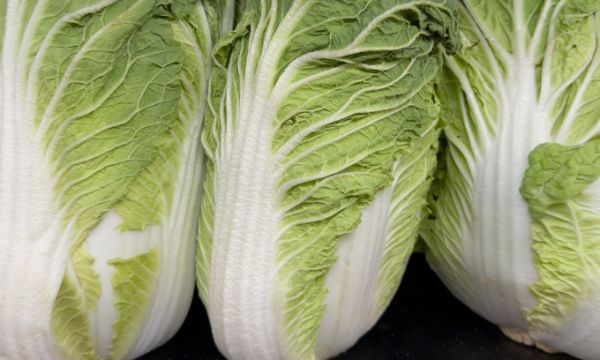
The issue drew fresh attention after blogger Yu Lie Qi Ge posted a video showing merchants in Kangbao County, Zhangjiakou City, Hebei Province, allegedly using industrial chemicals such as formaldehyde to preserve napa cabbage during transportation, sparking widespread anger in China.
|
Napa cabbages. Illustration photo by Pixabay |
Dr. Yen Tsung-hai, director of the clinical toxicology center at Chang Gung Memorial Hospital in Linkou, New Taipei City, said concerns about the use of preservatives on fresh produce have existed for years.
However, he cautioned that vegetables staying fresh for a long time does not necessarily mean they have been chemically treated. Low moisture content, airtight packaging and proper storage conditions can also extend shelf life.
Yen stressed that food additives should not be used directly on fresh vegetables such as bok choy or napa cabbage, and that using formaldehyde to prolong freshness is both illegal and dangerous.
Formaldehyde is classified as a Group 1 carcinogen. Accidental ingestion can irritate the digestive tract and cause nausea, vomiting and abdominal pain. Long-term exposure has also been linked to an increased risk of nasopharyngeal cancer and leukemia.
At high concentrations, formaldehyde has a strong, pungent smell. At lower levels, however, it can be difficult to detect by appearance or odor alone.
To reduce potential risks when buying vegetables, Yen recommends several simple precautions.
Consumers should first smell the produce. Fresh vegetables typically have a mild, natural scent, while an unusually strong or irritating odor may be a warning sign.
They should also examine cut surfaces. Naturally cut vegetables tend to oxidize and become slightly yellow over time, while an unusually white and smooth cut may warrant caution.
Another sign to watch for is produce that looks flawless on the outside but is soft, mushy or spoiled inside.
Vegetables should be washed thoroughly before cooking. Separating the leaves and rinsing them individually under running water can help remove surface residues.
Because many preservatives are water-soluble, Yen also recommends soaking vegetables in water for around 40 minutes before cooking and discarding the soaking water afterward.
When cooking, leaving the pot uncovered may allow some volatile substances to evaporate. Consumers concerned about chemical residues should also avoid drinking the cooking broth.
Children, pregnant women and people with liver problems should be particularly cautious about exposure to preservatives, Yen said.
He added that there is no specific antidote for formaldehyde once it enters the body. Although the body can eliminate some of the chemical through breathing and the kidneys, prevention remains the safest approach.
In cases of accidental ingestion, drinking water may help support the body’s normal elimination processes.
-
When SRK revealed reason behind not going to Kashmir for longest time

-
Death toll rises to 903 in Nepal flash floods

-
Over 30 SCR employees assaulted on duty in five years: RTI

-
Iran conflict, trade tensions to dominate India’s G20 agenda

-
Joe Root Matches Virat Kohli's WTC Record As England Thrash Pakistan At Lord's