They’re surprisingly craveable stress-buffers.
Reviewed by Dietitian Lisa Valente, M.S., RD
Key Points
- The foods we eat contain nutrients that may help lower stress levels.
- Some “bad” foods to try for lower stress include dark chocolate nuts, pasta and red meat.
- Help reduce stress by checking in with yourself and giving yourself grace.
When you’re stressed, do you find yourself in a haze in front of the fridge or in the pantry, not knowing how you got there? Your brain might have directed you over there to pick something up for a stress-buffering pick-me-up.
That’s by design—and nothing to be ashamed of. “Stress and food can be closely connected,” says Gabrielle Kishner, M.S., RD. When you feel stressed, you may crave more sweets or carbs. There’s a reason for this, as these types of foods provide a quick boost of energy and give you a hit of dopamine, a feel-good chemical in your brain, she explains.
Some so-called “bad” foods are actually nutritious and support a healthy stress response. Of course, you should have other de-stressing strategies at the ready, but next time you’re looking for a bite to battle stress, here’s what to reach for.
1. Dark Chocolate-Covered Nuts
Specifically, reach for dark chocolate-covered walnuts. (Or grab a handful of walnuts and chocolate chips and enjoy them together.) Both chocolate and walnuts are known as higher-fat foods, but this is a winning sweet treat for stress. Walnuts contain both omega-3 fats and antioxidants, which support brain health and mood, says Kishner., Chocolate may also have calming effects on your nervous system.
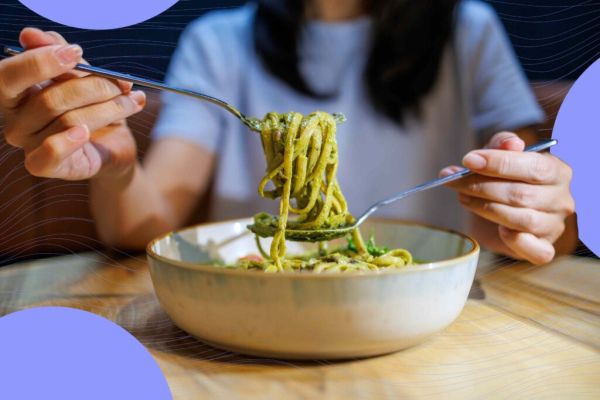
2. A Nice Bowl of Pasta
Pasta comes with high-carb red flags for many. It does have carbs, but the effect it has on one’s mood can be significant. In a study that evaluated emotions associated with pasta consumption, researchers found what we’ve long known: Pasta makes people happy. Still, the research went deeper than just “happy,” noting that pasta peaks positive feelings because it’s entwined with emotions, cultural identity, and well-being.
While diving into a giant bowl of creamy pasta may sound good when you’re stressed, a balanced meal is important for a healthy stress response, says Kishner. Focus on whole-grain pasta, with plenty of fiber from vegetables, and lean protein (like chicken) on top.
3. A Cup of Coffee
Coffee has long had a negative reputation—but it’s chockfull of antioxidants that are associated with a lower disease risk. “Grabbing a cup of coffee can not only give you a little energy boost, but recent research shows that moderate caffeine consumption can help manage stress levels and protect against mood disorders,” says Lisa Moskovitz, RD. Coffee consumption interacts with the brain’s neurotransmitters to release mood-enhancing chemicals dopamine and serotonin.
Both acute and long-term coffee drinking may also be connected to better stress coping skills and lower the intensity with which you perceive stressful situations. In other words, moderate coffee drinkers may be more resilient to stress.
Two important caveats: reactions to coffee are highly individual, and it’s important to know where you fall. If you’re someone who feels jittery or anxious when drinking coffee, now’s not the time to start. And intake matters, too. Keep the java habit moderate, since large amounts of caffeine tend to trigger side effects. “The key is to not overdo it or consume coffee too close to bedtime, which can disrupt sleep and mental health,” adds Moskovitz.
4. Chips and Guacamole
Sometimes, you decide you need something snacky—and that’s okay. “Think about what else you can add to your snack or meal to increase its nutrient density,” advises Kishner. In this case, salty chips might be what you crave, but she recommends pairing them with guacamole, which is packed with filling, heart-healthy unsaturated fats. “By pairing nutrient groups together, you will be more likely to feel full quicker and prevent yourself from overeating,” she says.
5. Red Meat
What’s on the menu for dinner tonight? Maybe a couple slices of pork tenderloin or beef round. “Red meat might feel like a ‘no-no,’ but it actually contains the leading source of energizing B-vitamins and iron, as well as zinc and protein, which help fight against oxidative stress, as well as stabilize blood sugar,” says Moskovitz.,, The key when choosing red meat is to buy the cuts that are the leanest, meaning they have less saturated fat. Those include cuts labeled “loin” and “round.”
6. Cereal
Grab a bowl (or a mug), whatever you prefer, and pour in a higher-fiber, higher-protein cereal, recommends Moskovitz. “Not only can it support blood sugar balance, but whole grain carbs can also boost serotonin, which naturally lowers excessive or elevated levels of the stress hormone cortisol,” she explains. To top it all off (literally), low-fat milk has also been associated with better mood and less anxiety, possibly because milk proteins and nutrients like casein and calcium positively influence the body’s mood-regulating neurotransmitters.
7. Popcorn
If you’re feeling snacky and in the mood for crunchy, popcorn is a good grab. Popcorn is actually a whole grain, says Ava Ajlouny, RD. Research suggests that people who are stressed due to “time pressure” are more likely to choose an easy snack. Popcorn is the perfect fit, especially since you can pour it from a bag into a bowl and shake on some toppings quickly. What separates nutritious popcorn from not is in the preparation and topping. “Air-popped popcorn with a drizzle of olive oil can be a nutritious option,” she says. Ajlouny also likes boosting flavor with nutritional yeast, Parmesan cheese or seasoning blends, like chili lime or ranch.
Other Tips to Help Lower Stress
Eating isn’t the only thing you can do when you’re stressed. Here’s how to handle it:
- Ask yourself what you need. “Am I actually hungry, or am I feeling stressed?” is a great way to identify how your body is feeling and what it needs, says Kishner. Then, you can take action.
- Create a de-stress list. What makes you feel good is individual. Write down a list of things you can do when life feels overwhelming. Ideas, says Kishner, include taking a few deep breaths, going for a walk, reading, listening to music, watching a favorite show, or calling a loved one.
- Let yourself off the hook. Using stress-management strategies is a great thing, but they can’t cut into how you feel about eating when you’re stressed. If you end up overeating or eating a food not normally in your eating plan, it is okay. “Remember that one food or meal will not change your overall health. What matters most is your overall habits and what you eat and do consistently over time,” says Kishner.
Our Expert Take
Stress eating typically involves high-sugar or high-carb foods, which are easy to overeat. If you’re stressed, certain foods can help support a healthy stress response, lift your mood, or simply establish more nutritious habits, including chocolate and nuts, guacamole and chips, pasta, and more. Plus, all are delicious and crave-worthy on their own.
-
Watch: Shubman Gill’s 'Uncle' Moment With Virat Kohli's Son Akaay Goes Viral

-
I’m Game vs Toxic vs Hanuman Ansh: Which Film Has The Strongest Box Office Run?

-
Janmashtami Vrat 2026: Try These 4 Delicious And Healthy Fasting-Friendly Dishes
-
Tottenham Hotspur can ease their James Maddison and Xavi Simons injury worries without spending anything

-
Financial Horoscope Today, September 4, 2026: Aquarius Should Control Budget, Know the Status of Other Signs