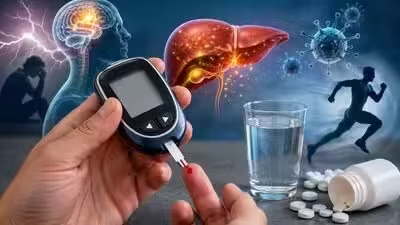
Seeing a high blood sugar reading without eating sweets or sugary foods can be confusing. However, blood glucose is controlled by far more than the sugar consumed through food. The liver can produce and release glucose into the bloodstream, while hormones, illness, stress, exercise, and medications can all influence blood sugar levels.
According to Dr. Abhinav Kumar Gupta, Senior Consultant in Endocrinology, Diabetes and Metabolic Medicine at Narayana Hospital, several factors can cause blood sugar spikes without eating sugar. "Your blood glucose is not governed merely by the amount of sugar you consume. The body is capable of producing and releasing glucose even though no food is b
The dawn phenomenon can raise morning blood sugar
One common explanation for elevated morning glucose is the dawn phenomenon. In the early morning hours, hormones including cortisol and growth hormone naturally increase as the body prepares to wake up.
"These hormonal changes signal the liver to release glucose for energy. In people with diabetes or insulin resistance, the body may not produce or use enough insulin to counter this increase, resulting in higher-than-expected morning blood sugar," said Dr. Gupta.
Stress can increase blood glucose
Emotional or physical stress can also affect glucose levels. When you are anxious, frightened, in pain, or under significant physical stress, the body releases hormones such as adrenaline and cortisol. These hormones can signal the liver to release stored glucose into the bloodstream, providing the body with readily available energy. For people with diabetes, this response can result in noticeable blood sugar fluctuations.
Illness and infections may cause spikes
A cold, infection, fever, or another illness can temporarily increase blood glucose—even when you are eating less than usual. During illness, the body's stress response releases hormones that encourage glucose production while potentially making insulin less effective. As a result, blood sugar readings can become more difficult to control when you are unwell.
Intense exercise can temporarily increase blood sugar
Regular physical activity generally improves insulin sensitivity and can help lower blood glucose. However, very intense exercise, such as sprinting, heavy weightlifting or competitive sports, can temporarily have the opposite effect. "Intense physical exertion can trigger adrenaline and other stress hormones, prompting the liver to release glucose. This may cause a temporary rise in blood sugar during or shortly after exercise," said Dr. Gupta.
Dehydration may affect your reading
Dehydration and blood sugar can also be connected. When the body loses fluids, the concentration of glucose in the blood can become higher. Dehydration may occur during illness or alongside high blood sugar, potentially creating a cycle in which one problem worsens the other. Maintaining adequate fluid intake is therefore important, particularly during hot weather or illness.
Medications can affect blood sugar
Certain medicines can cause glucose levels to rise. Steroid medications, in particular, are known to increase blood sugar in some people. Anyone who notices unexplained glucose changes after starting a new medication should discuss the readings with their healthcare professional rather than stopping prescribed treatment independently.
Hormonal changes can influence glucose
Hormonal fluctuations, including those associated with the menstrual cycle, can affect insulin sensitivity and blood glucose levels in some people. Sleep disruption and changes in daily routines may also contribute to glucose variability.
When should high blood sugar be checked?
A single elevated reading does not necessarily mean that someone has diabetes. However, repeatedly high blood sugar, particularly when accompanied by excessive thirst, frequent urination, unexplained weight loss, vomiting or weakness, should not be ignored. Persistent high glucose may require evaluation for diabetes, prediabetes, insulin resistance or other underlying conditions.
According to Dr. Gupta, the key takeaway is that blood sugar reflects much more than dietary sugar intake. Stress, hormones, illness, dehydration, exercise, sleep and medications can all influence glucose levels. Understanding these hidden triggers can help people interpret unexpected readings and know when medical advice is needed.