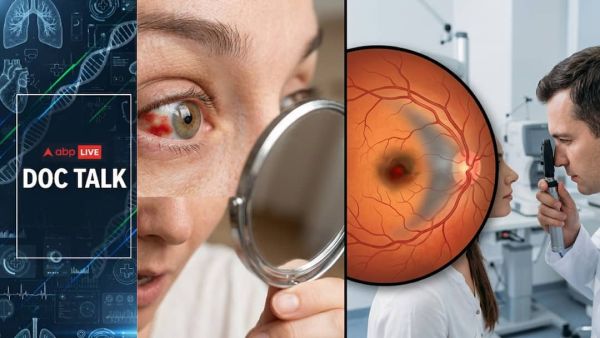
A patch of blood in the eye can look alarming, but not every case is a medical emergency, and that's precisely what makes the condition tricky. A blood clot in the eye, in its more serious form, occurs when circulation to or from the retina gets blocked, often producing sudden, painless blurring or partial loss of vision. How much damage it causes depends largely on where the blockage sits, how much of the retina's blood supply is cut off, and how fast a patient gets to a doctor.
“People often use the phrase ‘blood clot in the eye’ loosely, but it can mean very different things,” says Dr. Niteen Dedhia. “A bright red patch on the white of the eye is usually just a subconjunctival haemorrhage, a small, surface bleed that looks dramatic but is rarely dangerous. The real concern is when the retinal vein or artery itself gets blocked, because that affects circulation deep in the eye and can cause permanent vision loss. A blocked retinal artery in particular is sometimes called an ‘eye stroke ’; it can be a red flag for broader cardiovascular trouble. Whatever the cause, sudden vision changes should never be brushed off or treated at home.”
What Triggers These Clots
The surface-level version is often mundane in origin: a burst blood vessel from a hard sneeze, a coughing fit, vomiting, straining while lifting something heavy, or a minor knock to the eye. People with high blood pressure, diabetes, bleeding disorders, or those on blood-thinning medication tend to see it recur more often.
The deeper, more serious blockages, retinal vein occlusions, are typically tied to age, hypertension, diabetes, high cholesterol, and glaucoma. Heat itself doesn't cause clotting, but dehydration can thicken the blood, which raises risk in people who are already vascularly vulnerable.
Telling The Harmless From The Urgent
A subconjunctival haemorrhage is easy to spot: a bright red patch on the white of the eye, painless, with vision unaffected, though the eye may feel slightly irritated.
Retinal vein or artery blockages behave differently. Warning signs include blurred vision that can come on suddenly or build gradually, distorted vision, dark spots or floaters drifting across the field of view, and partial or total vision loss, usually in just one eye. If you experience any of these or sudden eye pain, flashes of light, or something like a curtain falling across your vision, treat it as an emergency, especially if it follows an injury.
Diagnosis and What Treatment Looks Like
Ophthalmologists typically start with a dilated retinal exam, followed by imaging such as Optical Coherence Tomography (OCT) and fluorescein angiography to pinpoint blockages, swelling, or leakage.
Not all retinal damage can be undone, but treatment can limit how far it spreads. Doctors may use anti-VEGF or steroid injections to bring down retinal swelling, laser therapy to stop abnormal blood vessels from forming, and in the case of a retinal artery occlusion, emergency care that often runs parallel to stroke treatment protocols.
Surface bleeds, by contrast, usually clear up on their own within a couple of weeks, with lubricating eye drops the only real intervention needed for comfort.
Reducing The Risk
Much of the prevention comes down to managing overall health rather than the eye alone: keeping blood pressure, blood sugar, and cholesterol in check; quitting smoking; staying active; and getting regular eye exams, particularly for anyone managing diabetes or glaucoma. Patients on blood thinners or heart medication should stick to their prescribed regimen and never stop it without a doctor's sign-off.
The Bottom Line
Any sudden vision change deserves prompt medical attention. A red patch on the eye is often nothing to fear, but blurred vision, eye pain, or a sudden drop in sight can signal a retinal problem that needs immediate care. Regular eye check-ups and staying on top of underlying health conditions remain the most reliable way to protect long-term vision.
Disclaimer: The information provided in the article is shared by experts and is intended for general informational purposes only. It is not a substitute for professional medical advice, diagnosis, or treatment. Always seek the advice of your physician or other qualified healthcare provider with any questions you may have regarding a medical condition
-
Tamil Nadu Assembly Chaos: Vijay Says He’ll Answer DMK’s Questions On Monday

-
Enzo Fernandez to wear No. 17 at Manchester City

-
Where is the transfer window still open? Nine countries where Premier League clubs can still sell players

-
India Retains Fastest-Growing Large Economy Tag With 7.8% GDP Growth: Kwatra

-
Barcelona and Real Madrid stars shortlisted for La Liga Player of the Month award