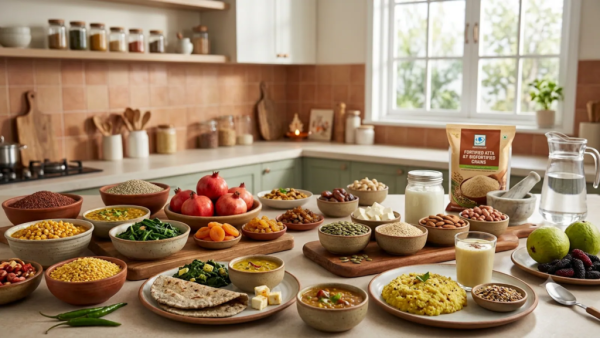
Whenever we talk about fasting, the conversation usually centers around what we should avoid eating. I believe we should spend just as much time thinking about what we should eat when we are allowed to.
During a fasting month, our eating patterns change. We may have fewer meals, a shorter eating window, and a different choice of foods. This makes it even more important to ensure that the food we do consume is providing us with the nutrition our body needs. Two nutrients I believe we should pay particular attention to are iron and zinc.
Iron is essential for the production of hemoglobin and plays an important role in carrying oxygen through the body. Zinc, meanwhile, supports immunity, growth, recovery and several important processes in the body. Both are essential micronutrients, and our everyday food choices can play an important role in maintaining adequate intake.
For me, the answer starts with making the meals we eat during the fasting window more nutrient-dense.
When I sit down to a proper meal, I would make sure it includes foods such as green leafy vegetables, dals, lentils, beans, and millets such as bajra, ragi, and jowar. These are foods that have always been part of our traditional diets and can contribute to our intake of iron and other essential nutrients.
I would also make fruits a regular part of the fasting routine. Fruits such as pomegranate, guava, blackberries, mulberries, and dried fruits such as raisins and apricots can add valuable nutrients to the diet. Since fruits are commonly included during fasting, they are an easy way to make the eating window more nutritionally meaningful.
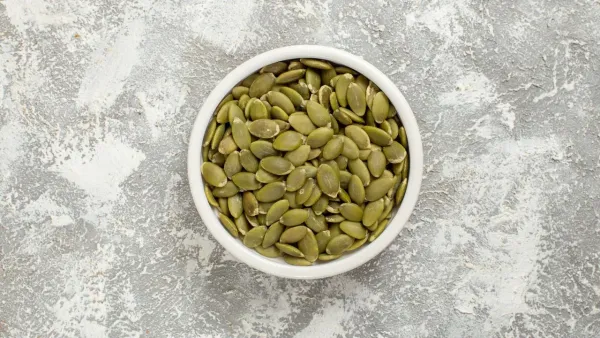
For zinc, I particularly like the idea of adding nuts and seeds wherever the fasting practice allows them. Pumpkin seeds, sesame seeds, peanuts and almonds are simple foods that can be incorporated into snacks or meals. Milk, curd and paneer can also be useful additions for people whose fasting traditions permit dairy.
One change I believe can make a difference not just during fasting, but in our everyday diets, is choosing biofortified staples.
Most of us consume staples such as atta, rice, dal and millets regularly. So, instead of thinking about nutrition only when we are fasting or when a deficiency shows up, I believe we should look at the nutritional value of these everyday foods themselves.
Biofortification is particularly interesting because it works at the source. The crops are naturally developed to have higher levels of essential nutrients such as iron and zinc through the seed and the soil. This means that the food we eventually eat can naturally contain more of these nutrients, without requiring us to completely change our eating habits.
At Better Nutrition, this is the approach we have been working towards – making everyday staples more nutrient-dense through biofortification. Our biofortified staples provide higher levels of iron and zinc while remaining foods that people already know and consume every day.
For me, that is the real promise of better nutrition. We shouldn't have to completely rethink our meals every time we want to eat better. If the atta we use for our roti or the grains we cook every day can provide more nutrition, we can make a meaningful change simply by making a better choice at the source.
And this is especially relevant during fasting, when our eating window may be shorter, and every meal matters a little more.
Whether we are fasting or following our regular routine, I believe the goal should remain the same: make the food we already eat work harder for our health.
About the author: Prateek Rastogi is the CEO and Co-Founder of Better Nutrition
-
AP man run over during car puja in Hyderabad’s Jubilee Hills

-
Shooting at rave in Switzerland kills 1, injures 5

-
'That's A Joke': England Legend Slams Officials Over Lord's Test Call

-
1 Killed, 5 Injured In Shooting At Rave Party In Northern Switzerland

-
Refrigerator Maintenance Tips: Mumbaikars, leaving for Konkan? Be sure to read 'these' rules before closing the fridge!