
There was a time when buying a camera meant buying a camera, listening to music meant carrying a music player, and checking the time required nothing more than a watch. Technology has gradually changed that habit.
Today, a single smartphone can take photographs, record videos, play music, make calls, provide navigation, run AI tools, monitor fitness and control smart-home products. The same shift is happening beyond smartphones. Smartwatches combine health tracking with communication, while earbuds are moving beyond audio into areas such as voice assistance and device interaction.
This growing trend of multi-function gadgets is not simply about adding more features to a product. It reflects a broader change in how technology is being designed: instead of asking consumers to carry a separate device for every task, manufacturers are trying to make one device capable of handling several parts of everyday life.
From One Purpose to Many
The smartphone is perhaps the strongest example of this transformation. A modern phone has replaced several products that once occupied separate spaces in people’s bags and homes. Its camera can handle everyday photography, its GPS can replace a dedicated navigation device, and its music and video capabilities reduce the need for separate media players.
But the important change is not only the number of functions. It is how these functions work together. A photograph can be edited immediately after being captured. A voice command can open an application. Location information can be used by navigation, weather, and other services. AI tools can now assist with writing, searching, or organizing information without requiring a separate computer.
The gadget is therefore becoming less like a collection of un tools and more like a single connected platform.
AI Is Changing the Mix
Artificial intelligence is pushing the multi-function trend further. Earlier gadgets generally relied on clearly defined features. A camera took photographs, a speaker played audio, and a fitness tracker recorded activity. AI allows devices to respond more flexibly to what users ask them to do.
For example, an AI-enabled smartphone can potentially help summarise information, edit content, translate text or organize tasks. AI features can also connect different functions that already exist on a device.
This matters because AI can become the layer connecting multiple features. Instead of opening different applications and manually deciding which tool is required, users can increasingly describe what they want in natural language. The device can then determine which functions are needed to complete the task. That makes the gadget feel less like a machine with a fixed list of functions and more like an assistant capable of handling different situations.
Wearables Are Getting Smarter
The multi-function trend is also particularly visible in wearable technology. Smartwatches began largely as extensions of smartphones, showing notifications and handling basic communication. Their role has expanded into fitness and health- tracking, navigation, music control, and other everyday functions.
The appeal is obvious: a device worn on the wrist can provide information without requiring users to constantly take out their phones. Earbuds are following a similar path. They started primarily as audio accessories but have gradually gained microphones, touch controls, voice-assistant support and other smart capabilities.
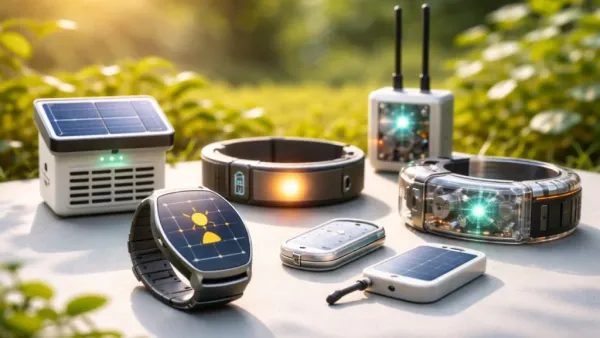
The next stage could be even more integrated. Rather than expecting users to interact with a screen for every task, different wearable devices could increasingly respond through voice, gestures, sensors and contextual information.
The Smart Home Adds Another Layer
Multi-function gadgets become even more useful when they communicate with other devices. A smartphone, smartwatch or voice-enabled device can act as a control point for lights, speakers, televisions, cameras and other connected products. This creates a system in which the individual gadget is only one part of a larger ecosystem.
Consider a simple evening routine. A person could use a phone or smartwatch to control lights, adjust a connected appliance, and play music. The individual tasks are different, but the same connected device can help manage them. This is where the idea of a multi-function gadget moves beyond “one device doing many things.” The more interesting development is a device acting as a bridge between many other products.
Convenience Has a Cost
The appeal of combining functions is clear, but more features do not automatically mean a better product.
One concern is complexity. A gadget packed with cameras, sensors, AI tools, and connectivity options can become difficult to understand. Users may end up paying for features they rarely use. There is also the question of privacy. The more sensors and connected services a gadget has, the more information it may be capable of collecting or processing. Cameras, microphones, location services and health- sensors can provide useful functionality, but they also make data protection increasingly important.
Another issue is dependence. When one device performs the work of several products, losing or damaging it can mean losing access to many functions at once. So the future of multi-function gadgets will not simply depend on how many features manufacturers can add. It will also depend on whether those features are useful, easy to control and trustworthy.
What Could Come Next?
The next generation of gadgets may become less defined by individual features and more by how intelligently they work together. Smartphones, watches, earbuds, glasses and home devices could increasingly share information and respond to the same user commands. A person might begin a task on one device and continue it on another without thinking about which product is handling the process.
AI could become particularly important in this transition. Instead of users manually switching between devices, software could determine which gadget is best suited to a particular task. A smart speaker could handle audio, a smartwatch could provide quick information, a smartphone could manage complex tasks, and smart glasses could offer information without requiring a screen to be held in front of the user.
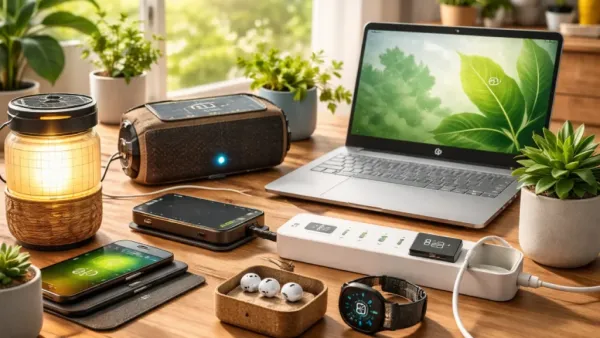
The goal would not necessarily be to make one gadget do absolutely everything. It could instead be about creating a group of specialized gadgets that work together so smoothly that the boundaries between them become less noticeable.
The Future Is About Integration
Multi-function gadgets are changing the basic idea of what a device is supposed to do. The smartphone demonstrated that one product could replace several everyday tools, while AI and connected ecosystems are now taking that concept further. The future may therefore belong not simply to gadgets with the longest specification sheets, but to devices that can combine functions without making technology feel complicated. The most successful multi-function gadget will ultimately be the one that knows when its different abilities are genuinely useful — and stays out of the way when they are not.
Conclusion
Multi-function gadgets are making technology more connected, convenient and capable. As AI, sensors and smart ecosystems develop, the future may focus less on adding more features and more on making different functions work together simply, naturally and securely.
-
Gemini Horoscope Today, September 7, 2026: Learning and Advice Will Increase, Health Will Improve

-
Love Horoscope Today for Monday, September 7, 2026: Taurus Will Gain Confidence, Know the Fate of Other Signs

-
Capricorn Tarot Horoscope Today, September 7, 2026: Show patience in financial matters, proceed with prudence

-
Scorpio Tarot Horoscope Today, September 7, 2026: Unexpected situations will continue, relationships will be beneficial
-
Grand Teachers’ Day 2026 celebrations at MS Education Academy