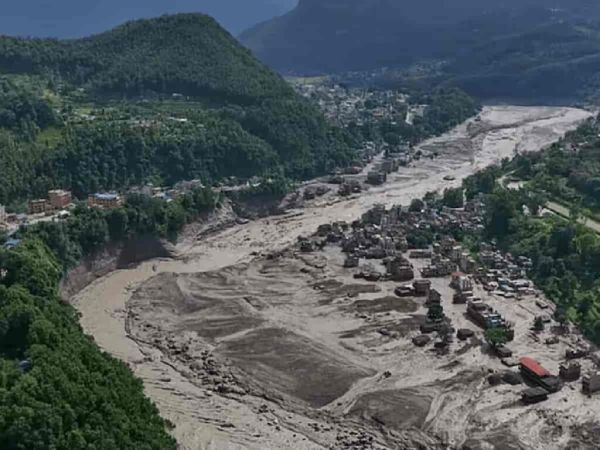
Devastating flash floods have unleashed widespread destruction across the Himalayan region, heavily battering both Nepal and neighboring Tibet. However, a stark and suspicious discrepancy between the official casualty figures reported by the two neighboring regions has sparked international concern and raised serious questions regarding transparency. While on-the-ground reports from Kathmandu paint a harrowing picture of human loss and infrastructural collapse, Beijing’s tightly controlled narrative has left observers questioning whether Chinese authorities are actively concealing the true scale of the tragedy in Tibet.
The Massive Disparity in Casualties: 579 in Nepal vs. 5年在 Tibet
According to comprehensive ground assessments and reports highlighted by The Guardianthe official death toll resulting from the catastrophic floods in Nepal climbed to 579 by Friday. In sharp contrast, Chinese state authorities have claimed that only five people have died from the same severe weather events across the border in Tibet. This massive statistical gap has baffled international experts and disaster management analysts, particularly given that thousands of residents inhabit vulnerable villages surrounding the strategically important Gyirong border post on the Tibetan side, which suffered direct hits from the rampaging floodwaters.
Independent Journalism Versus State-Controlled Narratives
The stark contrast in reporting stems largely from how information is gathered and disseminated in the respective regions. In Nepal, independent journalists and rescue workers have been able to access disaster-hit zones directly, documenting survivor testimonies, mapping the minute-by-minute progression of the deluge, and capturing the genuine grief of families whose homes were swept away.
Conversely, reporting from Tibet remains heavily regulated. While Chinese state media deployed broadcast teams to affected areas, their coverage focused exclusively on choreographed rescue and relief operations while ignoring the deeper devastation. According to The Guardianstate broadcasts featured relief centers without engaging with displaced locals, reflecting a rigidly managed information pipeline.
Why Tibet Remains a Black Hole for Independent Information
Tibet is internationally recognized as one of China’s most politically sensitive and strictly monitored regions, where independent journalism is virtually non-existent. International reporters are barred from conducting unmonitored travel or independent investigations, with visits strictly organized and vetted by state officials. Local residents face severe restrictions, including passport prohibitions and potential punitive consequences for unauthorized interactions with foreign media.
Weighing in on the information blackout, Steve Tsang, director of the China Institute at SOAS University of London, explained to The Guardian that everything concerning Tibet is viewed entirely through the rigid prism of national security. Consequently, independent verification of natural disasters is virtually impossible, as any official narrative emerging from the region must first receive strict clearance from top-tier political leadership in Beijing.
-
What we know about Trump’s oil reserves deal with Venezuela

-
Germany: British woman fatally stabbed at station, 1 detained

-
Death toll in Nepal floods mounts to 788, over 2,500 missing
-
Dibu becomes a Blue! Chelsea complete signing of World Cup-winning Emiliano Martinez from Aston Villa as Xabi Alonso reshapes his goalkeeping options

-
Why Manchester United Have Signed Carlos Baleba