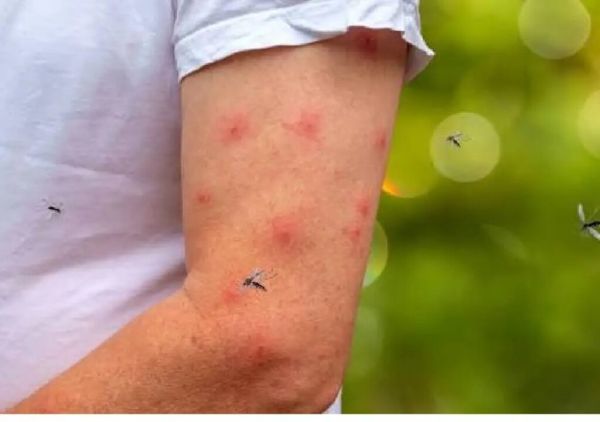
A mosquito bite may leave one person with barely visible irritation while another develops a large, swollen and intensely itchy welt that lasts for days. The difference lies largely in how each person’s immune system responds to mosquito saliva.
When a mosquito bites, it injects saliva into the skin. The immune system recognises substances in the saliva as foreign and releases histamine, triggering redness, swelling and itching.
But mosquito saliva does more than help the insect feed. It contains several biologically active proteins, including substances that prevent blood from clotting and keep blood flowing while the mosquito feeds. These compounds can also influence the immune response at the bite site.
Mosquito saliva can change the immune response
Researchers have found that mosquito saliva can push the immune system towards a type of response known as a Th2 response, which is commonly associated with allergy-like reactions.
This can temporarily make nearby blood vessels more permeable, allowing additional immune cells to reach the affected area. For most people, the result is simply an itchy and swollen bite.
However, scientists believe these changes may also influence how certain viruses transmitted by mosquitoes become established in the body.
Why children may develop bigger reactions
People can react very differently to mosquito bites, and genetics appear to play a role in determining the strength of the immune response.
Children often experience stronger reactions than adults, partly because they have had fewer opportunities to encounter particular mosquito species and their saliva proteins.
Repeated exposure can cause reactions to become less intense as the immune system adjusts. This also explains why someone who usually experiences mild bites at home may react more strongly when exposed to an unfamiliar mosquito species while travelling.
Severe reactions are uncommon
A small number of people develop an exaggerated response known as Skeeter syndrome. In such cases, swelling can extend well beyond the bite and may sometimes resemble cellulitis, a bacterial skin infection.
The precise reason some people develop this hypersensitivity is not fully understood. Age, previous exposure and individual susceptibility may all contribute.
Severe allergic reactions to mosquito bites, however, are extremely uncommon.
For ordinary bites, a cold compress can help reduce swelling, while oral antihistamines and mild topical corticosteroid creams may ease itching and inflammation. Scratching should be avoided because it can prolong irritation and increase the risk of infection.
People experiencing unusually large reactions, worsening pain or fever should seek medical advice.
The bite may affect disease transmission too
Mosquito saliva is attracting increasing scientific interest because of its possible role in disease transmission.
The immune changes triggered by saliva may help viruses such as dengue, Zika and West Nile virus establish infection and spread more effectively.
Research into malaria has also suggested an intriguing connection between infection and mosquito behaviour. Studies have found that children infected with Plasmodium falciparum can develop changes in body odour, with some compounds appearing more attractive to mosquitoes.
Scientists are therefore exploring whether mosquito saliva itself could become a target for future vaccines.
What appears to be a simple itchy bite is therefore the result of a complex interaction between mosquito saliva and the human immune system — one that may also influence how mosquito-borne diseases begin and spread.
-
3 Zodiac Signs Attract Wealth & Success From September 7 – 13, 2026

-
What travelers to the US should do as visa rules shift

-
Network is coming down? To know the truth about iPhone's signal bars, enter this secret code.

-
Shah Rukh Khan is on Vi as brand ambassador, unveils new ‘Vi’ logo; fans react to dot change in logo

-
OpenAI’s new reasoning technique alarms AI safety experts