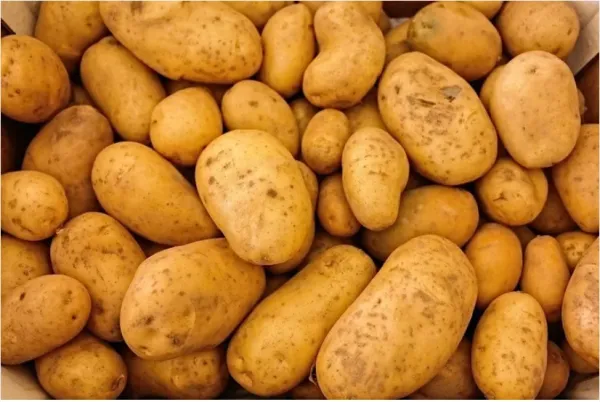
Why Should Potatoes Not Be Stored in the Fridge? Know the Real Reason
Why not store potatoes in the fridge? Potatoes are among the most commonly used vegetables in Indian kitchens, so many households buy them in bulk and put them in the refrigerator to extend their shelf life.
But refrigeration isn’t the best way to store raw potatoes. Cold temperatures can change the potato’s chemistry, affecting both its taste and how it behaves when cooked.
What Happens When You Refrigerate Potatoes?
Raw potatoes contain starch. When they’re kept at temperatures typically found inside a refrigerator, some of that starch can be converted into reducing sugars such as glucose and fructose.
This process is known as cold-induced sweetening.
As a result, refrigerated potatoes may develop a noticeably sweeter taste and can brown more quickly when fried, roasted or baked.
Why Is This a Concern?
The concern isn’t simply that refrigerated potatoes become sweeter.
When potatoes containing higher levels of reducing sugars are cooked at high temperatures, particularly through frying, those sugars can react with the amino acid asparagine and contribute to the formation of acrylamide.
Acrylamide is a chemical compound that can form in certain starchy foods during high-temperature cooking. Health agencies recommend reducing unnecessary dietary exposure to it.
This is one reason food-safety guidance generally recommends not refrigerating raw potatoes.
How Should You Store Potatoes?
The better option is a place that is:
- Cool
- Dry
- Dark
- Well ventilated
Keep potatoes in a breathable bag, basket or other ventilated container rather than a sealed plastic bag.
Avoid storing them next to onions if possible. The two can release gases and moisture that may encourage faster spoilage when stored together.
What About Cooked Potatoes?
This advice applies primarily to raw potatoes.
Cooked potato dishes should generally be refrigerated promptly rather than left at room temperature for extended periods. Store leftovers in a clean, covered container and follow normal food-safety practices.
Don’t Store Sprouted or Green Potatoes Carelessly
Storage conditions also matter because potatoes exposed to light can develop green areas and increase their levels of glycoalkaloids such as solanine.
If a potato has extensive greening, significant sprouting, a bitter taste or signs of spoilage, it’s safer to discard it rather than simply cutting away a small section.
The Bottom Line
Raw potatoes are better kept out of the refrigerator. Store them somewhere cool, dark, dry and well ventilated.
Refrigeration can cause cold-induced sweetening, increasing reducing sugars in the potato. When those potatoes are subsequently fried or cooked at high temperatures, this can contribute to greater acrylamide formation.
So, instead of putting your bag of raw potatoes in the fridge, find a cool, dark and ventilated place in the kitchen or pantry.
Note: This doesn’t mean eating a refrigerated potato will automatically make you ill. The concern is primarily about changes in sugar levels and the potential for increased acrylamide formation during high-temperature cooking.