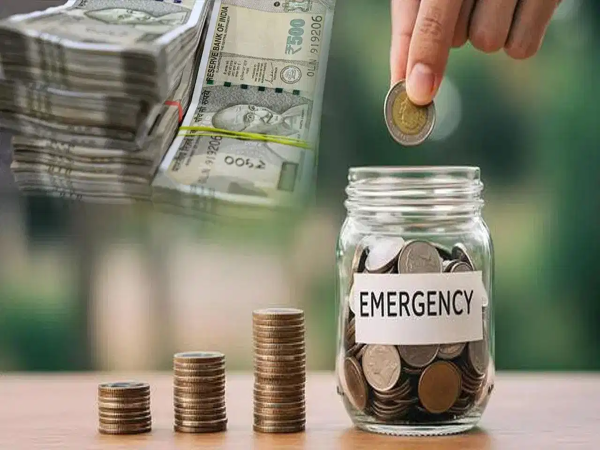
An emergency fund refers to savings set aside to help you during times of crisis. However, people often struggle to distinguish between expenses that truly qualify as emergencies and those for which this fund should not be tapped. For instance, a broken phone, an unexpected vacation expense, or an insurance premium payment might arise suddenly; yet, it is not always appropriate to use the emergency fund for these. If you keep spending this money on minor needs, you might run short of funds when a major crisis strikes.
What is the primary purpose of an emergency fund?
The fund's main role is to provide support when your income suddenly stops or a major, essential expense arises. According to the Reserve Bank of India's financial education guidelines, it is advisable to maintain savings equivalent to at least three months of essential expenses. If your job or income is unstable, setting aside funds for six months or more may be a better approach.
For which expenses can it be used?
An emergency fund can cover essential household expenses, such as rent or home loan installments, groceries, electricity bills, children's school fees, mandatory insurance premiums, commuting costs, and necessary medicines. If you suddenly lose your job, these funds can help sustain these expenses for a period of time.
An emergency fund is also useful during illness.
Sudden illness or hospitalization costs can become a major financial burden. Even if you have health insurance, you may still have to pay some expenses out of pocket. The emergency fund can cover medicines, treatment costs not covered by insurance, or other essential fees. Illness can also halt your income if you are unable to work for a while; in such times, having savings proves invaluable.
It is most useful in the event of job loss.
If you suddenly lose your job, it may take some time to find a new one. An emergency fund is essential to keep household expenses running during this period.
If there is only one earning member in the household, it is wise to maintain a larger emergency fund. On the other hand, a dual-income household might find even a smaller amount of money sufficient as a cushion.
Major repairs to your home or vehicle can also constitute an emergency.
If the roof starts leaking, a major electrical fault occurs, or your car suddenly requires an expensive repair, these funds can be utilized for such essential expenses. However, if the expense can be deferred, it is better to use other existing savings instead.
What should the emergency fund *not* be used for?
You should save separately for expenses such as vacations, buying a new TV, festive shopping, anticipated school fees, or down payments. Since these expenses are known in advance, funds can be set aside specifically for them.
The required fund amount varies for everyone.
Not every family needs the same amount. If you have high EMI obligations, a large number of dependents relying on your income, or an income that fluctuates, it is advisable to maintain a larger emergency fund. You should periodically adjust the size of this fund based on changes in your income and expenses.
Ultimately, remember that the primary purpose of an emergency fund is not to maximize returns, but to protect you from having to borrow money during difficult times. Your emergency fund is truly serving its purpose when you can handle essential expenses during a crisis without resorting to a loan.
Disclaimer: This content has been sourced and edited from TV9. While we have made modifications for clarity and presentation, the original content belongs to its respective authors and website. We do not claim ownership of the content.
-
Former England boss says Man Utd have landed the 'absolute bargain' of the summer

-
Which pulses should be eaten at what time? Learn from nutritionist the rule of choosing right pulses for lunch and dinner.

-
Anwar Maqsood defends police, says they work under Pressure and follow orders

-
Multani Mitti will provide relief from these hair problems during rains, know the right way to apply it…

-
Loneliness Comes To An End For 5 Chinese Zodiac Signs After Sunday, August 30, 2026