Hair Loss and Constant Hair Fall? These Remedies May Help
Seeing more hair than usual on your pillow, brush or shower drain can be worrying. Some daily hair shedding is normal, but persistent or noticeably increased hair loss can sometimes be linked to stress, nutritional deficiencies, hormonal changes, illness, medications or scalp conditions.
The good news is that several simple habits may help protect your hair and reduce avoidable breakage.
1. Make Sure You’re Getting Enough Protein
Hair is primarily made of a protein called keratin, so inadequate protein intake can affect normal hair growth.
Include protein-rich foods such as:
- Eggs
- Lentils and beans
- Milk and curd
- Fish and chicken
- Soy and tofu
- Nuts and seeds
Avoid crash diets and extreme calorie restriction, which can trigger increased shedding.
2. Check for Iron and Other Nutritional Deficiencies
Low iron stores can contribute to hair shedding, particularly in people who are at higher risk of iron deficiency.
Other nutritional problems, including inadequate levels of certain vitamins and minerals, may also affect hair health.
However, don’t start iron or high-dose supplements without testing or professional advice. Taking unnecessary supplements can cause side effects and may not address the actual cause of hair loss.
3. Be Gentle With Your Hair
Frequent heat styling, chemical treatments and tight hairstyles can weaken the hair shaft and contribute to breakage.
Try to:
- Avoid very tight ponytails and buns.
- Reduce frequent use of straighteners and curling irons.
- Use a wide-tooth comb when hair is wet.
- Avoid aggressively rubbing wet hair with a towel.
- Choose gentle hair-care products if your scalp is sensitive.
4. Take Care of Your Scalp
A healthy scalp provides a better environment for normal hair growth.
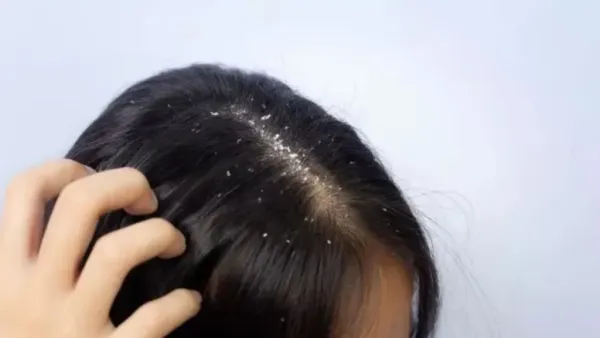
Wash your hair regularly according to your scalp type and keep dandruff or scalp inflammation under control. If you have persistent itching, redness, scaling or sores, it’s better to get the scalp examined rather than repeatedly changing products.
5. Manage Stress and Sleep
Significant physical or emotional stress can trigger a type of temporary shedding called telogen effluvium.
It may not appear immediately. Hair shedding can become noticeable several weeks to months after the original stress or illness.
Regular sleep, adequate nutrition, physical activity and stress-management techniques can support overall hair health.
6. Avoid Random Hair-Growth Remedies
The internet is full of claims about onion juice, essential oils and homemade hair masks.
Some may make hair feel softer, but that doesn’t mean they can treat the underlying cause of hair loss. Irritating ingredients can even worsen scalp problems.
If hair loss is persistent, identifying the cause is more useful than repeatedly trying DIY treatments.
When Should You See a Doctor?
Consider seeing a dermatologist if you notice:
- Sudden or rapid hair loss
- Bald patches
- A widening part or receding hairline
- Significant thinning that continues for several months
- Hair loss accompanied by scalp redness, pain or severe itching
- Hair shedding after a major illness or medication change
- Other unexplained symptoms along with hair loss
A doctor may examine your scalp and, depending on your history, recommend tests for conditions such as iron deficiency or thyroid problems.
The Bottom Line
There is no single home remedy that can stop every type of hair loss. The most useful approach is to eat a balanced diet, get adequate protein, avoid damaging hair practices, care for the scalp and address nutritional or medical problems when present.
If your hair loss is persistent or worsening, finding the underlying cause is more important than simply trying another hair-fall remedy.
Medical Disclaimer: This article is for general informational purposes only and is not a substitute for professional medical advice, diagnosis or treatment.