Nam, 29, of HCMC had just finished an exhausting day. Despite his tired eyes, he kept swiping through short video after short video on TikTok till 2-3 am.
He called this his way of “reclaiming freedom” after a day that belonged to someone else.
A few months later, Nam clearly felt a thick “layer of fog” clouding his thinking: his mind was vacant and his ability to concentrate deeply disappeared. Lines of source code or complex data tables that used to be handled with ease became blurry, and he had to read a simple line of code 4 to 5 times to understand it.
His delayed reaction speed along with reduced short-term memory were causing him to constantly overlook details, make inaccurate calculations, and become mentally exhausted after just a few hours of work.
Hong, 34, a communications lead, found herself in the same situation.
What started as casual late-night scrolling to unwind after a stressful workday spiraled into her drifting through hundreds of short videos until 4 am.
The consequences were showing up in meetings, where she would lose her train of thought and struggle to string together strategies for her clients.
“The prefrontal cortex, which governs analytical and creative thinking in these professionals, becomes paralyzed from sleep deprivation,” notes Master of Clinical Psychology Vuong Nguyen Toan Thien, Professional Director of Lumos Psychological Counseling and Therapy Center.
|
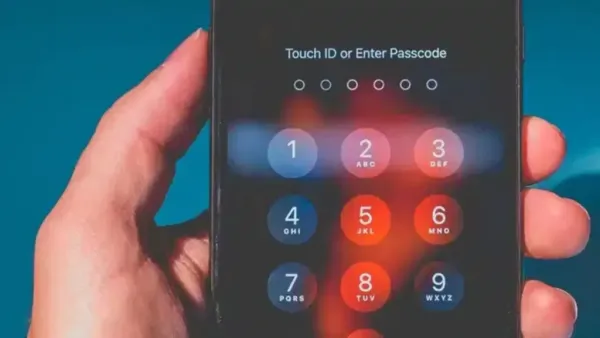
Some social media apps on a mobile phone. Photo by HP IT group |
Thien explains that the act of doomscrolling all night is in fact “revenge sleep procrastination” combined with “brain fog”. After a long day, drained of all energy by work and family, late night is the only time that many people feel completely belongs to them.
“You try to stay on your phone not because you need to watch another video, but just to cling to the freedom and ownership of your life”, says Thien, and also that the price to pay for this mental compensation is a chain of reactions that destroys the body.
Blue light from the screen fools your biological clock into thinking that it is still daytime, suppressing the sleep-inducing hormone melatonin; meanwhile short clips constantly trigger your brain to create the stimulant dopamine, keeping it in a state of false alertness right when it needs to cool down and rest.
Consequently, falling asleep becomes difficult, sleep turns fragmented, and the deep sleep stage – when the brain flushes out toxins and reorganizes memories – is lost. This triggers “brain fog,” causing you to wake up feeling groggy and disoriented, struggling to think of things to do despite having no actual memory loss. Over time, surging levels of the stress hormone cortisol will turn you into an irritable, anxious, and chronically fatigued person.
A study by Harvard Medical School published on PNAS claims that using bright screens before bed makes it harder for people to fall asleep, reduces the duration of N3 deep sleep and impairs their alertness the following morning. When sleep is fragmented, the brain does not have enough time to restore its short-term memory function.
To break this vicious cycle, experts advise users to gradually reduce neural stimulation rather than cutting it off abruptly. Set a time limit on app usage, lower screen brightness and switch to quiet activities such as reading a physical book or listening to soothing music 45 minutes before bed. The most important rule is to keep your phone away from bed, helping the brain rewire the reflex that the bed is a place for rest, not the cinema.
|
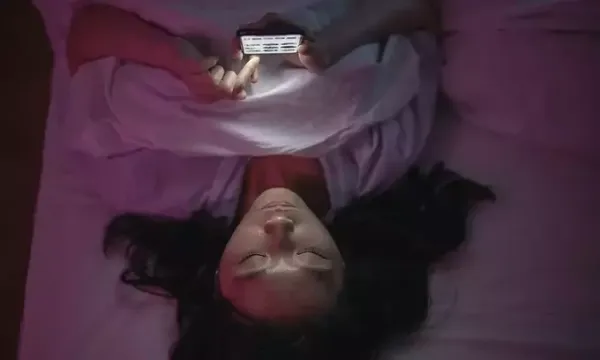
A teenager uses her phone. Photo by Pexel |
The nervous system’s ability to recover depends on each individual’s sleep debt. After just three nights of adequate sleep, alertness will return. Maintaining a consistent routine for two to four weeks will fully restore your information processing speed. For chronic cases of sleep deprivation lasting years accompanied by signs of anxiety, individuals should seek specialized evaluation at medical facilities, rather than try to treat it themselves.
Nam used to think that hours staying awake with his phone was the award after a tiring workday. However, the reduced productivity in his work every morning forced him to reflect on the price he had to pay. Like Thien warns: “The brain is not tired because you use it too much, but because you rarely give it a real chance to rest”.
-
Arsenal may offload new signing before the deadline in surprise twist

-
Deep Freeze Fills With Ice, Not Hot Water, Clear This Easy Way

-
Rakshabandhan: Whether tying gold or silver Rakhi is auspicious or inauspicious, understand from astrology.

-
Malaika Arora Says Mom Joyces Sadya Is “Unreal”. See The Onam Spread

-
No password for phone security, this method is easier! Know how to choose the right PIN