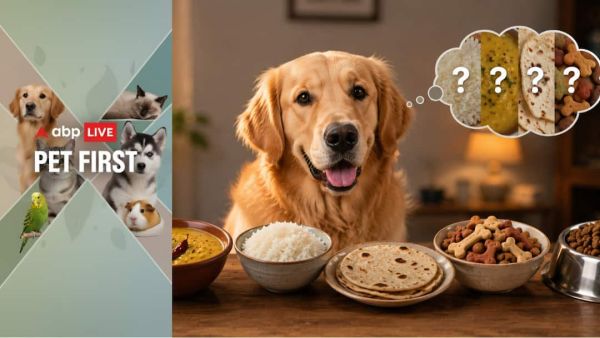
One question vets often hear from pet parents is whether their dog’s diet is actually meeting its nutritional needs. In India, sharing food is often seen as an expression of love, so it is natural for pet parents to offer dogs a portion of their own meals. However, food that works for humans may not provide dogs with all the nutrients they need. Dr Umesh Kallahalli, Senior Veterinarian, MARS Petcare, India, says this confusion is understandable. A 2025 survey of 526 Indian veterinarians found that 86% were concerned about pet parents feeding human food that lacks essential nutrients or does not provide them in the right proportions. Here are some common dog food myths that pet parents should reconsider:
Myth 1: Dal-Rice Is A Complete Meal For Dogs
Dal and rice can be included in a dog’s diet, but they should not automatically be considered a complete meal. Dogs require a specific balance of protein, fats, vitamins, minerals and calories, which dal and rice alone may not provide. According to the survey, 75% of vets said protein, calcium and vitamin deficiencies were among the most common nutritional gaps they observed in dogs fed such diets.
Myth 2: Homemade Food Is Always Healthier
Homemade food may seem more natural and caring, but preparing a meal at home does not guarantee that it is nutritionally complete. A dog’s diet needs to be carefully balanced according to its age, size, activity level and individual requirements. The survey found that 50% of veterinarians were concerned about the belief that homemade food is always nutritionally adequate.
Myth 3: If It Is Safe For Me, It Is Safe For My Dog
Dogs have different nutritional requirements and process certain foods differently from humans. Simply sharing food from your plate can therefore lead to nutritional imbalances, while some human foods can also be harmful to dogs. As many as 86% of the vets surveyed identified the assumption that food safe for humans is automatically safe for dogs as a major feeding concern.
Myth 4: Treats And Biscuits Do Not Count
Treats and biscuits are also part of a dog’s overall calorie intake. Giving them frequently or in large quantities can contribute to overfeeding, even when the main meals appear balanced. In the survey, 40% of vets highlighted excessive treats as a concern, while another 40% flagged overfeeding more broadly.
Myth 5: More Of One Healthy Ingredient Means A Healthier Diet
Adding extra protein, calcium or another nutrient simply because it is considered healthy does not necessarily improve a dog’s diet. The key is maintaining the right balance of nutrients and calories for the individual dog. The survey found that 91% of veterinarians highlighted nutrient balance and calorie precision as an important advantage of properly formulated packaged pet food over home-cooked meals.
[Disclaimer: The information provided in this article is intended for general informational purposes only. It is not a substitute for professional veterinary advice, diagnosis, or treatment. Always consult a qualified veterinarian regarding your pet’s health, diet, or any medical concerns.]
-
Liverpool agree deal in principle to sign Bradley Barcola from Paris Saint-Germain

-
Telangana Congress social media in-charge beaten up, urinated on

-
Communal clash during Milad-un-Nabi in Mumbai, three booked

-
Yash’s Toxic suffers major blow hours after its release

-
Family members can represent vulnerable voters in Telangana SIR