When a husband and wife take a joint home loan to buy a house, who is responsible for repaying the entire loan amount if one of them passes away? Does the bank waive the loan?
Nowadays, it is quite common for a husband and wife to take a joint home loan. Combining their incomes allows them to secure a larger loan amount and share the burden of monthly EMIs. However, have you ever wondered what happens to the outstanding loan if one spouse dies while the loan is still active? Will the bank waive the EMI, or will the surviving partner have to pay the full amount?
Who bears the responsibility in a joint loan?
When a husband and wife take a joint home loan, both share equal responsibility for repayment. If one of them passes away, the liability for the remaining loan does not cease.
The surviving partner may be required to pay the remaining EMIs. The loan remains secured against the house, as the property itself serves as the guarantee for the loan. If the loan is not repaid, the bank can recover the outstanding amount from the property in accordance with its regulations.
Must the full EMI be paid?
If two people have taken a loan together and one dies, the remaining loan must still be paid. However, this also depends on whether loan protection insurance was obtained at the time the loan was taken. If the deceased person's share of the loan was insured, the insurance company pays off that portion of the outstanding amount. This reduces the financial burden of the loan on the family.
Why is home loan insurance important?
Home loan protection insurance is essential to ensure that the family does not have to bear the burden of the entire loan in the event of the borrower's death. For instance, suppose a couple takes a joint home loan of ₹50 lakh, and the husband passes away a few years later. If the loan is insured, the insurance payout can be used to settle the outstanding loan balance.
Can the bank seize the house?
If EMIs are not paid regularly, the bank may even repossess the house. In the case of a home loan, the house serves as security for the bank. In the event of non-payment, the bank can initiate the process of recovering its outstanding dues from the property, in accordance with the law and the loan agreement.
-
Dodge Challenger Hellcat Jailbreak owner says dealer wrote off his car, then offered to drop markup on a replacement

-
Honda Says Manual Gearboxes Are Still Part of the Plan Despite Civic Si Pause

-
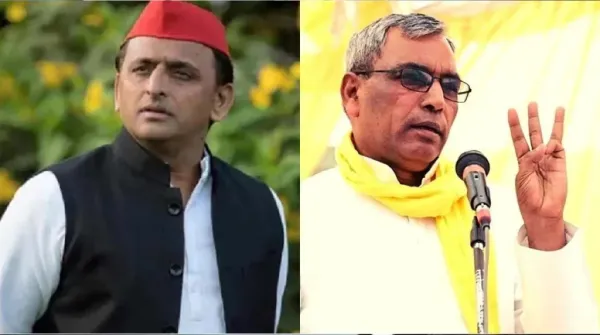
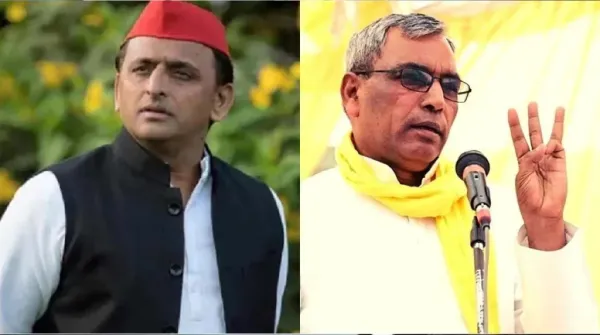
OP Rajbhar's strong counterattack on Akhilesh's big promise, 'Neither will there be nine maunds of wheat, nor will Radha dance'
-
These 5 common things related to pregnancy can be difficult to accept as true, know what are the biggest myths related to motherhood and their truth.

-
OP Rajbhar's strong counterattack on Akhilesh's big promise, 'Neither will there be nine maunds of wheat, nor will Radha dance'