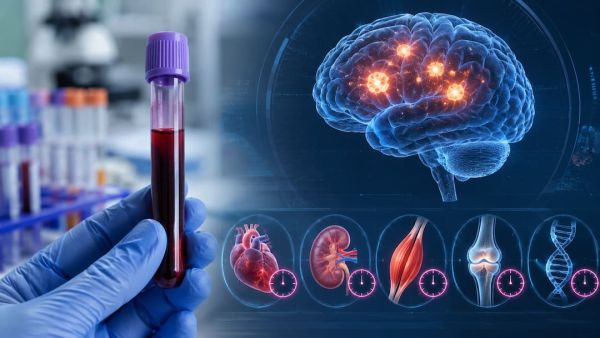
We all have a chronological age based on our date of birth. However, our organs—including the brain, heart and other vital systems—may age at a different rate. This is known as biological or organ-specific ageing. To better understand this difference, neurologist Tony Wyss-Coray and his team at Stanford University in the US have developed a blood-test approach that can estimate the biological age of 11 different organs, with particular focus on the brain. The research, published in Nature Medicine, could offer new insights into age-related health risks.
How The Test Works And What It Reveals
The test analyses specific proteins found in the blood. Since different organs release different proteins, researchers can study these protein patterns to estimate whether an organ appears biologically younger or older than expected for a person's chronological age. The research involved around 45,000 participants whose health was monitored over several years.
Researchers found that people whose brains appeared biologically older than expected had a substantially higher risk of developing Alzheimer's disease. They also had a higher risk of dying during the follow-up period. In contrast, people whose brains appeared biologically younger tended to have a lower risk of death. These findings suggest that organ-age measurements could potentially help researchers identify people at higher risk of certain age-related conditions.
Why Is This Important For Doctors And Patients?
Scientists believe organ-age testing could eventually help doctors understand how different parts of the body are ageing and identify potential health risks earlier. If further research confirms its usefulness, such information could support more personalised monitoring and preventive care. Unlike traditional genetic testing, this approach focuses on proteins circulating in the blood, potentially providing a snapshot of how the body is changing over time. However, it is important to note that the test is not currently a routine diagnostic test available in hospitals and clinics. More research is needed to determine how accurately it can predict individual health outcomes and how it could be used in medical practice. The findings nevertheless offer an encouraging direction for research into early detection of Alzheimer's disease and other age-related conditions.
[Disclaimer: This information is based on research studies and expert opinion. Do not substitute for medical advice. Always consult your doctor or relevant specialist before undertaking any new activity or exercise.]
-
Uttarakhand BJP chief defends ‘shuddhikaran’, Congress hits back

-
Instant Rakhi Delivery 2026: How to Order Rakhi, Sweets & Gifts in 10 Mins via Blinkit, Zepto, Instamart

-
Raksha Bandhan 2026 Date: Shubh Muhurat, Bhadra Kaal & City-wise Rakhi Timings (Delhi, Mumbai, Kolkata, Chennai, Bengaluru)

-
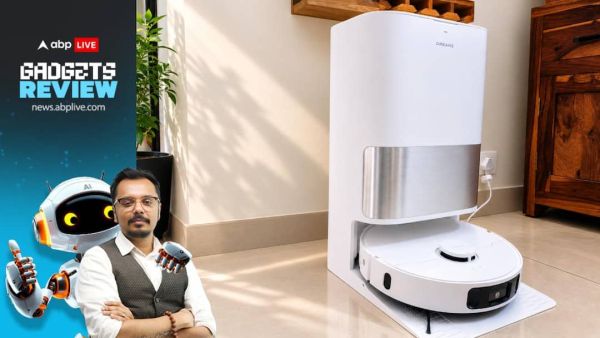
Dreame D30 Ultra Review: It Vacuums, Mops, Cleans Itself. What Do I Do Now?
-
Allahabad HC Seeks 5-Year RTE Beneficiary Data From UP Schools, Check Details