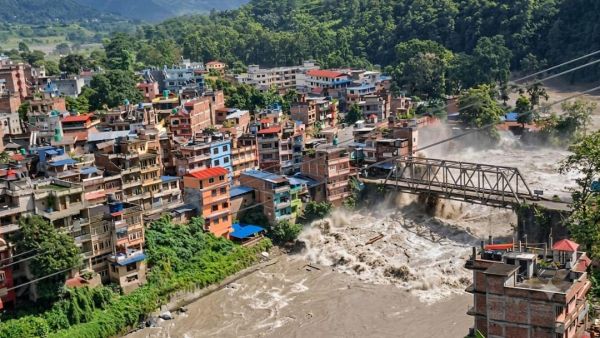
The devastating floods in Nepal have affected thousands of people, killed at least 160 and left hundreds missing. But even as rescue and relief operations continue, scientists and authorities are warning that the country could face another disaster of a similar nature.
Scientific assessments by the International Centre for Integrated Mountain Development (ICIMOD) and the Nepal government have identified 47 glacial lakes as potentially dangerous glacial lakes (PDGLs).
Experts have warned that these lakes could trigger glacial lake outburst floods (GLOFs), sending potentially destructive volumes of water into Nepal's river systems. Of the 47 lakes, 21 are located in Nepal, while 25 are in Tibet and are classified as transboundary lakes.
Which Glacial Lakes Are Considered Most Dangerous?
The lakes are located upstream of rivers that flow southwards into Nepal, putting downstream communities and infrastructure at potential risk.
Among the lakes identified for particular attention by disaster management authorities and the United Nations Development Programme (UNDP) are rapidly expanding, debris- and rock-dammed lakes. Authorities have said immediate measures are needed to reduce the risks posed by these lakes and lower their water levels.
The key lakes highlighted include Lower Barun (Talopokhari), Thulagi (Dona), Lumding Tso, Hongu-2/Chamlang South, Tso Rolpa and Imja Tso.
Mountain Districts Face The Highest Risk
The danger is concentrated mainly in mountainous and hilly districts located along downstream river valleys. A major GLOF from one of the identified lakes could cause serious damage to communities and critical infrastructure in these areas.
Eastern and central Nepal, including the Koshi and Bagmati river basins, account for more than 85% of the total regional risk concentrated in vulnerable areas.
Solukhumbu, Sankhuwasabha Among High-Risk Districts
Solukhumbu is among the districts facing the highest risk, with the Dudh Koshi and Imja basins located in the area. Sankhuwasabha lies along the Barun and Arun river valleys, while Dolakha is situated along the Tama Koshi River corridor and could face risks from Tso Rolpa.
The identification of these lakes comes as Nepal continues to deal with the devastating impact of the latest floods. With dozens of potentially dangerous glacial lakes located upstream of populated areas, authorities face the challenge of monitoring and managing the risks before another sudden flood strikes.
-
Saudi Arabia move on! Al-Hilal edge towards £50m-plus deal for Aston Villa star Ollie Watkins as Nicolas Jackson signing clears the path

-
Stock markets decline in early trade, dragged by HDFC Bank

-
Fadnavis felicitates Samay Raina, he jokes: Cyber Cell se rishta purana hai

-
Swine Flu Vaccine: When Should You Get Vaccinated? Doctors Answer 10 Key Questions

-
IP University Introduces Online BBA, B.Com Courses; More Programmes Coming Soon