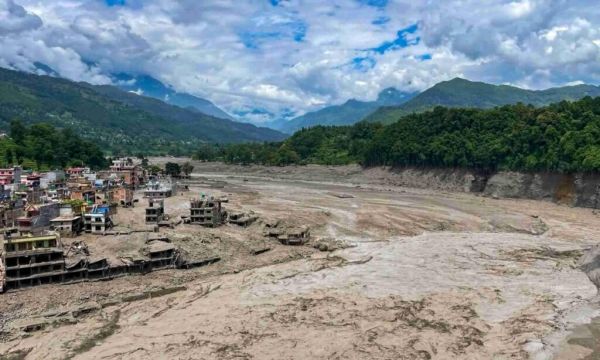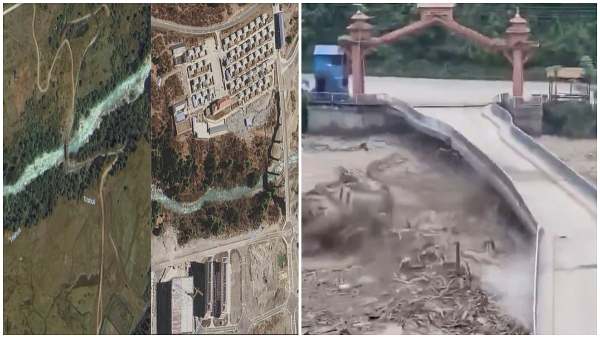
Flash floods in Nepal’s Bhote Koshi River have raised concerns over the risks linked to large hydropower projects in Tibet. Experts say China’s dam-building activities, combined with seismic vulnerabilities and climate change, could affect downstream regions including India and Bangladesh. The debate has renewed calls for stronger flood management and transparent water data sharing.
New Delhi, Aug 26: Widespread death and destruction were reported from Nepal on Wednesday as flash floods in the Bhote Koshi River, originating from Tibet, inundated many areas in districts north of capital Kathmandu.
Reports suggest torrents of water from Tibet surging into Nepal, sweeping away bridges, damaging hydropower plants, and inundating villages.
In India, the Kosi River, long known as the "Sorrow of Bihar", is swelling dangerously, threatening millions of lives and livelihoods.
Similarly, the mighty Brahmaputra River, known as the Yarlung Tsangpo in Tibet, once again overflowed the banks this monsoon, killing at least 50 and displacing some seven lakh people in Assam.
-
Chelsea open talks over Emiliano Martinez as worries grow over Robert Sanchez

-
Fello Kadi, Milbe puja's 'partner', booking as bell! Six laps on the poster, what's the matter?

-
Philips 5G Smartphone India Launch: Philips returns to the Indian smartphone market with 6.67-inch 120Hz display and 64MP camera.

-
Meta will pay up to $16.68 billion to settle allegations related to child safety, major changes will take place in Facebook and Instagram

-
Nepal flash floods: At least 95 killed, nearly 500 missing as rescue ops continue