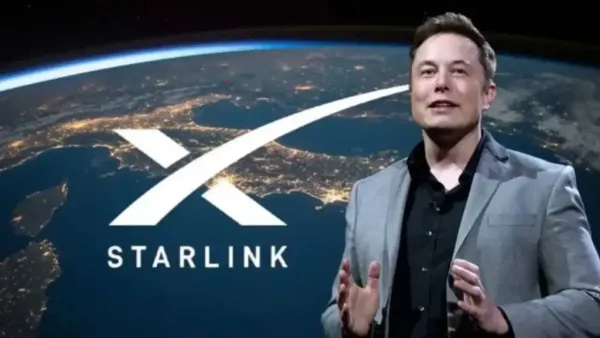
Tezzbuzz Desk- Starlink, the satellite internet service of Elon Musk's company SpaceX, has once again taken a big step regarding its entry in India. The company has again sought approval for its Gen 2 satellite constellation in India. About 30,000 satellites can be included in this network and it is expected to support new technology like Direct-to-Device i.e. D2D. If it is approved in India, then Starlink can get a big lead in the field of satellite communication.
According to the report, Starlink has recently applied for Gen 2 Constellation to the Indian space regulator IN-SPACe. The company plans to deploy these satellites in Low Earth Orbit i.e. LEO at an altitude of about 340 to 615 kilometers. Starlink is one of the world's largest LEO satellite operator companies and has long been eyeing India's rapidly growing satellite communications market. Starlink had earlier applied for both Gen 1 and Gen 2 constellations in India. However, only Gen 1 Constellation was approved by IN-SPACe in July 2025. Gen 1 has 4,408 LEO satellites and plans to provide traditional broadband internet services through them. The first application for Gen 2 could not be approved due to some technical features and rules to the spectrum band.
Now circumstances are changing. There is intense discussion about Direct-to-Device technology in India and the possibility of providing additional spectrum bands for satellite communication has also increased. For this reason Starlink has applied again for Gen 2 network. The specialty of D2D technology is that through it satellites can provide connectivity directly to smartphones or other devices. This can help in providing network even in those areas where it is difficult to reach traditional mobile towers. Approval has been sought in India for about 30,000 satellites in Starlink's Gen 2 network. SpaceX's entire Gen 2 plan is even bigger than this and the company is working on a plan to deploy around 42,000 satellites in the future. According to the need, permission can also be sought for more satellites.
Starlink will have to compete with many big companies in India. These include Reliance Jio's proposed LEO network of about 1,600 satellites, companies like Amazon Leo and Eutelsat OneWeb. If Gen 2 is approved, Starlink may get an edge over its rivals in terms of coverage and network capacity. However, many challenges still remain before Starlink starts commercial service in India. Security clearance and spectrum allocation are very important issues for satellite companies. TRAI has given its recommendations regarding the price of satellite spectrum, but the final decision is pending from the government. Discussion is also going on on the rules of D2D service.
Indian telecom companies have been expressing their concerns regarding D2D service. He says that if satellite companies are allowed to provide connectivity directly to mobile users, then rules should be applied to them like telecom operators. Apart from this, national security is also a big issue for the government. The greater the expansion of the satellite network, the more important will be the responsibilities to its use and monitoring. In such a situation, the decision on Starlink's new application can play an important role in deciding the direction of India's satellite internet market.
-
WATCH: India’s Mixed Disability Cricket Team Recreates Ganguly’s Iconic Lord’s Celebration

-
SBI FD Rates Cut From August 15: What Depositors With Rs 3 Crore+ FDs Need To Know
-
NCERT Third Language Resources 2026 OUT: Check R3 Books, Download Steps And CBSE Exam Rules

-
Amit Shah Chairs Southern Zonal Council Meet In Tamil Nadu
-
‘Congress Is New Muslim League’: Nitin Nabin Hits Out At Gandhis Over Vande Mataram