
As technology keeps drifting past smartphones, AI smart glasses are getting a lot more attention as a next step, almost like the successor to your personal device setup. In 2026, improvements in artificial intelligence, smaller hardware, and smarter wearable design have inched smart glasses closer to regular life adoption than before. But yeah, it’s not only “wearable tech” anymore.
The newer AI smart glasses are trying to blend into daily routines, in a way that feels less like a gadget and more like a quiet assistant that’s already there. They’re built to deliver real-time information, contextual support, and even immersive experiences without needing the user to constantly crane their neck down at a screen. This kind of change also hints at a wider move in personal computing: a shift toward convenience, better accessibility, and always-on connectivity even when you’re just walking around.
The notion that smart glasses could end up replacing smartphones might sound a bit ambitious, but honestly the groundwork is already being put in place. With built-in AI assistants, voice recognition, and augmented reality (AR) overlays, these gadgets can handle a lot of the same stuff as a phone just while keeping your hands free, which is kind of the whole point.
Think about navigation, messaging, live translations, and the usual notifications. AI smart glasses basically offer a more natural way to touch digital content. Instead of opening apps users can just ask questions, get a visual nudge, or interact with what’s around them right then and there. That “hands-free” attitude could make smart glasses especially handy when a phone is inconvenient or even unsafe, like driving, cooking, or handling tasks in fast-changing environments.
The Role of AI in Smart Glasses
Artificial intelligence is what really powers the rising interest in smart glasses. More advanced AI models allow these devices to grasp context, recognize objects, and deliver responses that feel tailored to you. For example, AI glasses could spot landmarks, summarize conversations, or give step-by-step guidance for a task, all in real time. With that kind of support the device stops being only a passive instrument and starts acting like a kind of active companion.
Also, because on-device processing keeps improving, many features don’t have to depend so much on cloud connections. The result can be quicker replies, plus better privacy, without the constant “ping” of remote servers.
Why It Matters for Everyday Users
For tech folks, the shift toward AI smart glasses is sort of more than “just a new gadget”; it kinda hints at a deeper change in how people bump into technology day to day. The moment you can pull information quickly, without constantly breaking your focus, it can help productivity while also easing that digital fatigue. Instead of juggling a bunch of apps, and getting pinged by notifications all day, a person can lean on one integrated interface that sort of mixes the digital world with the physical one.
In education, smart glasses may enable interactive learning, like not only reading but actually seeing context. In professional environments, they could support remote teamwork, help with training, and even help during real-time problem solving. And yeah, in everyday life too, simple things like checking directions, or replying to messages, can feel more seamless, more fluent.
Industry Push and Competition
A handful of major tech companies are actively looking into this whole area, putting money into research and development to polish both hardware and software. That rising competition makes it feel less like a small niche trial, and more like a real contender for what personal computing becomes next. Partnerships between hardware manufacturers and AI developers are also speeding things up, letting features become more advanced and user experiences more polished. As the whole ecosystem grows, developers might start building applications that are made specifically for wearable interfaces, which in turn can further boost the platform’s potential.
Challenges That Still Remain
Even with all the hype, AI smart glasses still have a few problems to sort out before they see mass adoption. Battery life is probably the biggest one, because these small devices have to run power-hungry AI features and still last for long periods, which is harder than it sounds.
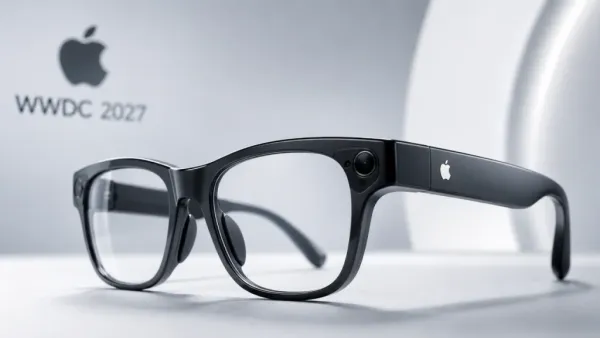
Privacy is also a big concern. If the glasses include cameras and they’re doing real-time data processing, it naturally brings up ideas about surveillance, and also data security, so user trust could take a hit. Then there’s the design part, plus the money part. Smart glasses need to be comfy, good-looking, and not crazy expensive if they want a broad audience, and honestly that balance has been rough in the wearable tech space for years.
The Road Ahead and Conclusion
It’s still early, so it feels premature to call AI smart glasses the final replacement for smartphones. But their potential is hard to ignore. As the technology keeps improving, these devices might slowly expand their role in everyday computing, more than people expect right now.
In 2026 AI smart glasses are kind of at a turning point, bridging that awkward gap between experimental innovation and actual day-to-day usefulness. Whether they become the next dominant platform depends on how well companies handle the current issues, and how clearly they can deliver real value for users, not just cool demos.
AI smart glasses are turning into one of the most interesting tech developments around. By mixing artificial intelligence, augmented reality, and that wearable design approach, they sketch a future where computing feels more natural, and less like “a device you have to deal with.” For tech users, this shift could rewrite convenience, productivity, and even interaction styles, which might make smart glasses the next big step after smartphones, maybe soon, maybe not.
-
Genoa furious with referee after controversial Kevin De Bruyne goal: ‘All of Italy saw it’

-
Hair too dry? Then prepare hair mask at home using curd, hair will look beautiful

-
Should you wash eggs before cooking?

-
Why students are being paid £2,000 to play computer games

-
Here's why Rishabh Pant left the field on the first day of the Colombo Test. Read