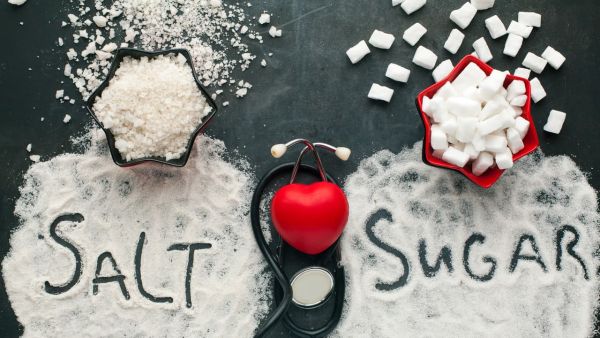
As soon as the monsoon arrives, the high humidity becomes a problem. Salt, because of its chemical properties and certain compounds it contains, easily absorbs moisture and gets wet. On the other hand, sugar is also affected and can get lumpy, but it doesn't dissolve as quickly as salt.
Kitchen Tips: The monsoon season is here, and with it comes that all-too-familiar problem of dampness in the kitchen. You might notice your salt jar has turned into a wet mess, or the salt has started clumping together. But at the same time, the sugar jar seems to be holding up just fine. It naturally makes you wonder: if the air is so humid, why does salt absorb water while sugar doesn't seem to react as quickly?
The answer lies in the chemical properties of both substances and how they handle moisture.
The truth is, both salt and sugar can be affected by humidity, but they don't behave the same way. While sugar can also get sticky and form lumps in high humidity, the salt we commonly use in our kitchens gets wet much faster.
So, why does salt get wet?
The table salt we use is mainly made of sodium chloride. In its pure form, sodium chloride doesn't easily absorb moisture from the air and turn into water. However, the commercial salt we buy often contains small amounts of other minerals and compounds. Some salts containing calcium and magnesium are known to absorb moisture very quickly.
During the monsoon, when humidity levels rise, the water vapour in the air comes into contact with the salt. These moisture-loving compounds attract the water. Slowly, in high humidity, the salt grains start sticking together and look wet. This is exactly why your salt shaker often gets clogged and stops working properly.
Sugar's behaviour is different from salt's
Sugar is also affected by the moisture in the air. Especially in very humid conditions, sugar crystals can absorb moisture, causing them to stick together and form hard lumps. However, white granulated sugar doesn't usually dissolve or get as 'wet' as salt does. This is because sugar and salt have different structures and react differently to humidity.
When moisture collects on the surface of sugar crystals, it can make them stick together. So, if you leave a sugar container open or put a wet spoon in it during the monsoon, it can become damp, sticky, and lumpy.
This doesn't mean that salt gets wet and sugar is completely unaffected. The only difference is in *how* they change when exposed to moisture. Salt often looks wet and sticky, while sugar is more likely to form clumps first.
How to keep salt and sugar dry this monsoon
To protect your salt and sugar from moisture during the rainy season, store them properly. First, keep them in a clean, completely dry, and airtight container. The lid should be tightly sealed to prevent humid air from getting in frequently. Avoid keeping salt and sugar jars near the sink. You also shouldn't place them near the stove or gas hob, as steam and temperature changes can be a problem there. The best place for them is a dry, cool spot in your kitchen.
-
WATCH: Basit Ali Talks Cricket From Hospital Bed After Heart Attack, Discusses IND vs SL Test

-
WATCH: Ajinkya Rahane Unleashes His Inner Ravi Shastri On Live TV

-
McDonald's India Launches Shravan Specials with No-Onion-No-Garlic Menu
-
Bought iPhone 15 For Rs 64,999? Apple India Ordered To Refund Rs 45,500 Over Defect Dispute

-
Bank Holiday Tomorrow, August 19: Are Banks Open Or Closed? Check City-Wise Status