Education will be central to India’s Viksit Bharat 2047 vision, requiring higher public investment, stronger government schools, better teachers, institutional autonomy and reforms to build a globally competitive knowledge society.
The dream of transforming India into a Viksit Bharatby 2047 is both inspiring and achievable. However, the journey will not be easy. It demands sustained commitment, bold policy decisions, and the ability to address complex challenges across sectors. Among all these sectors, education occupies a unique and central position.
Unlike other sectors that produce goods and services, education develops “human capital”, the men and women who create, improve, and manage every other sector of the economy. Infrastructure, technology, machinery, and financial resources are undoubtedly important, but it is human capability that ultimately drives innovation, productivity, and national progress.
Viewed from this perspective, education deserves far greater attention than it currently receives. From school education to higher education and research, every level must be strengthened if India is to emerge as a global leader in knowledge, technology, and innovation. While the National Education Policy NEP 2020 provides a broad and encouraging framework, several equally important issues deserve urgent attention. The next two decades will be decisive. Any serious neglect today may become extremely difficult to correct tomorrow, particularly in the context of India's changing demographic profile by 2050.
Certain Definitive Steps:
-
Cauvery dispute: SC asks Karnataka to comply with CWMA water release
-
Sikkim electoral rolls: SC upholds ECI’s 2002 cut-off decision
-
SEBI’s Closing Auction Session is here to stay, says chairman Pandey
-
SC restrains CBI, ED from filing report in Rahul Gandhi’s DA case
-
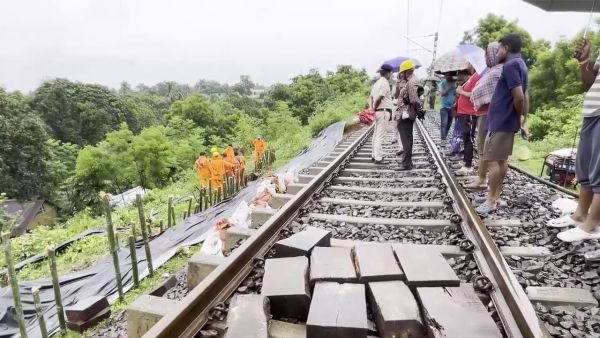
Odisha: Heavy rainfall washes away soil under railway track in Mayurbhanj