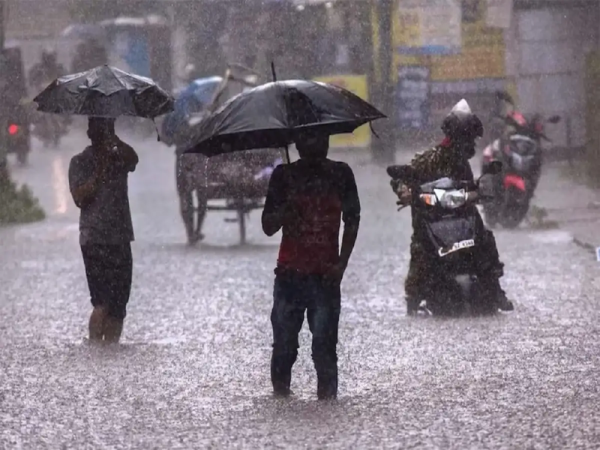
Weather Update August 17: The monsoon remains active across large parts of India, bringing another spell of heavy rain, thunderstorms and gusty winds. According to the weather information available for August 17, several states across northern, eastern, central and western India could experience unsettled conditions, with residents advised to remain cautious during thunderstorms.
The weather outlook covers as many as 19 states and regions, including Uttar Pradesh, Bihar, Delhi, Rajasthan, Haryana, Himachal Pradesh and Uttarakhand. Some areas could experience particularly strong winds, while the risk of lightning remains a concern in parts of eastern India.
In the Himalayan region, persistent rainfall may also increase the possibility of landslides and disruption on vulnerable roads.
Here's a detailed look at the weather conditions expected across different parts of the country.
Rain and Thunderstorm Alert Across 19 States
The monsoon is expected to remain active over a wide geographical area on August 17. Rain, thunderstorms or strong winds are likely in several states.
The areas mentioned in the weather outlook include:
- Uttar Pradesh
- Bihar
- Delhi
- Rajasthan
- Haryana
- Himachal Pradesh
- Uttarakhand
- Punjab
- Jammu and Kashmir
- Jharkhand
- Odisha
- West Bengal
- Sikkim
- Assam
- Madhya Pradesh
- Chhattisgarh
- Kerala
- Gujarat
- Maharashtra
The intensity of rainfall and thunderstorms will not necessarily be the same everywhere. Some places may receive short spells of rain, while isolated locations could experience heavier downpours.
Residents should therefore follow local forecasts and district-level warnings rather than relying only on a broad state-level outlook.
Strong Winds Could Reach 80-85 Kmph in Some Areas
Thunderstorms could be accompanied by powerful gusts in some parts of the country.
According to the available forecast information, wind speeds may reach around 80-85 kmph in isolated areas during intense thunderstorm activity.
Such winds can pose a risk to temporary structures, weak trees, roadside hoardings and power infrastructure. Hailstorms may also occur at a few locations.
People should avoid taking shelter under trees during thunderstorms, particularly when lightning and strong winds occur together.
Vehicles parked under large trees or unstable structures may also be vulnerable during severe weather.
Himachal Pradesh May See Rain and Thunderstorms
Weather conditions are expected to remain unsettled across several districts of Himachal Pradesh.
Rain and thunderstorms are likely during August 17-18 in areas including Kangra, Shimla, Solan, Bilaspur, Sirmaur, Mandi, Chamba, Hamirpur and Kinnaur, according to the forecast information provided.
Some locations may also experience gusty winds of around 40-45 kmph.
For Manali, temperatures are expected to remain relatively cool, with the maximum temperature around 17°C and the minimum close to 11°C.
Travellers heading towards hill stations should keep an eye on road conditions because persistent or intense rainfall can increase the risk of landslides, falling rocks and temporary road closures.
Delhi and North India Could See More Wet Weather
The national capital and neighbouring parts of northern India are also included in the broader rain and thunderstorm outlook.
Delhi, Haryana, Punjab and Uttar Pradesh could see periods of rain accompanied by thunderstorms in some areas.
Rainfall may provide temporary relief from humid conditions, but intense spells can also result in waterlogging, slower traffic and disruption during peak commuting hours.
Motorists should drive carefully during heavy rain, maintain additional distance from other vehicles and avoid entering flooded underpasses or waterlogged roads where the depth of water is uncertain.
Rajasthan Weather: Monsoon Activity to Continue
Rajasthan is also expected to remain under the influence of active weather systems.
An upper-air cyclonic circulation has been reported over southwestern Rajasthan and adjoining areas, which could support continued rainfall over parts of the region.
The intensity and distribution of rain may vary considerably between districts. Some locations could receive moderate rainfall, while isolated areas may experience heavier spells or thunderstorms.
Residents should check local warnings before travelling, particularly if severe thunderstorms are forecast in their district.
Eastern India Faces Lightning Risk
Parts of eastern India may experience thunderstorms accompanied by lightning.
Bihar, Jharkhand, Odisha, West Bengal and Sikkim are among the areas covered by the broader weather alert.
Lightning can be particularly dangerous for people working outdoors, including farmers, construction workers and those in open fields.
If thunder is heard nearby, people should move indoors or seek shelter in a substantial building. Open fields, isolated trees, water bodies and exposed elevated locations should be avoided during lightning activity.
Weather System Over Bay of Bengal
Another atmospheric circulation is developing over the northwestern Bay of Bengal, according to the weather information available.
Weather systems over the Bay of Bengal can influence rainfall patterns across eastern and central India, depending on their movement and strength.
Combined with other monsoon systems, this could help maintain wet conditions over several parts of the country.
Farmers Should Take Extra Precautions
Thunderstorms, heavy rain and strong winds can affect standing crops and agricultural operations.
Farmers should monitor local weather warnings before irrigation, spraying pesticides or carrying out other outdoor activities.
During thunderstorms, agricultural workers should leave open fields and avoid standing near trees, electric poles or metal structures.
Where heavy rain is expected, ensuring adequate drainage in fields may help reduce waterlogging, depending on the crop and local conditions.
Travelling to the Hills? Check Conditions First
Tourists and residents in Himalayan states should exercise additional caution during prolonged rainfall.
Heavy rain can destabilise slopes and increase the possibility of landslides, mudslides and falling debris. Mountain roads may also be temporarily blocked.
Travellers should check road updates and advisories from local authorities before beginning their journey. Attempting to cross a flooded road, overflowing stream or landslide-affected stretch can be dangerous.
What to Do During Heavy Rain and Thunderstorms
With active monsoon conditions continuing, simple precautions can reduce weather-related risks.
Stay indoors during severe thunderstorms wherever possible and avoid standing near large trees, electricity poles, damaged buildings or temporary structures. Do not enter flooded roads on foot or in a vehicle when the water depth and current are unknown.
People living in landslide-prone areas should remain particularly alert during prolonged or very heavy rainfall.
Since weather conditions can change quickly and alerts may differ from one district to another, residents should follow the latest forecasts and warnings issued by the India Meteorological Department (IMD) and instructions from local authorities.
Note: Weather forecasts can change as atmospheric systems develop or move. Readers should check the latest IMD and local administration updates for their specific city or district before travelling or planning outdoor activities.
-
Pakistani Umpire Ahsan Raza Forced To Leave TV Box For SL vs IND Test; Here’s Why

-
Why Is NTA Conducting UGC-NET Re-Exam For 3 Subjects? Officials Explain
-
Belgium Wildfire Contained Near German Border As Low River Levels Threaten Construction Supplies
-
Priceless Renaissance Art Stolen In Italy As Thieves Target Sicily's Messina Museum

-
‘Dimagi Naxal Party’ Emerges Online After PM Modi’s Remark, Gains 1.8 Lakh Instagram Followers