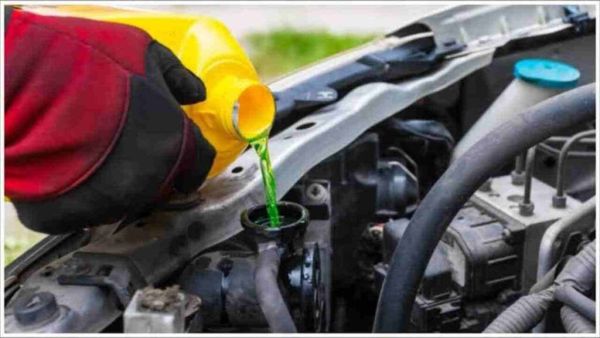
Auto Desk Ground Report: In the summer season or while going on a long distance journey, people often check the tyres, brakes and petrol-diesel of the car, but forget to pay attention to the level of coolant present in the engine compartment. According to automobile experts, like engine oil, coolant is the lifeline of a car’s engine. When a car is moving, the burning of fuel in the engine’s combustion chamber produces extreme temperatures. If the coolant level in the cooling system drops below the Min Mark, the engine temperature increases uncontrollably. Continuous driving in such conditions not only reduces the mileage but can also result in loss of lakhs of rupees due to the engine becoming completely dead.
The real function of coolant in a car: Why is water not the alternative? Many car drivers make the mistake of filling the coolant with plain tap water when it is low. Coolant is primarily a special chemical mixture of ethylene glycol or propylene glycol and distilled water. Its main functions are as follows:
-
temperature control: It does not boil even at temperatures much higher than normal water (over 100°C) and absorbs excess engine heat and expels it through the radiator.
-
Anti-Freeze Properties: In extremely cold or mountainous areas it does not freeze in the cooling chamber of the engine even at minus temperatures.
-
Protection against rust and scaling: Anti-corrosive elements present in coolant prevent rust and calcium accumulation in the internal parts of the radiator, water pump and engine block.
What happens to engine when coolant is low? If the coolant level is low and you continue driving, a series of serious effects can occur on the engine:
-
Engine Overheating: The cooling system is unable to control the engine heat, causing the temperature gauge on the dashboard to touch the ‘H’ (High) mark.
-
Blown Head Gasket: Excessive heat can cause the head gasket between the engine block and cylinder head to melt or burst. Due to its rupture, coolant and engine oil mix together, due to which the entire internal lubrication system of the engine gets ruined.
-
Warped Cylinder Head: The upper part of the engine (cylinder head) made of metal gets bent or deformed under the pressure of extreme temperatures, which requires the entire engine to be dismantled to repair it.
-
Engine Seizure: When temperatures exceed extremes, the pistons expand and lock against the cylinder walls. This is called ‘engine seizure’, after which the engine has to be completely rebuilt or replaced.
Major signs and symptoms of low coolant in car Major damage can be avoided in time by paying attention to these signs while driving:
-
Temperature warning light on dashboard: Red/yellow symbol like thermometer or radiator flashing in meter console.
-
AC not working properly: When the engine overheats, the system cuts off the AC compressor to protect itself, allowing only hot air to come from the blower.
-
Steam or smoke coming out of the bonnet: Boiling coolant steam coming out of the radiator or coolant tank due to excessive pressure.
-
Sweet smell or colored leakage under the car: Green, pink, or blue liquid dripping onto the ground beneath the car, which has a slightly sweet odor.
What to do and what not to do if the coolant gets low during travel? If you suddenly notice signs of overheating while driving, take special care of these things:
-
Immediately park the vehicle at a safe place and switch off the engine.
-
Never open the radiator cap on a hot engine: Boiling coolant may spray out like a fountain and cause severe burns to the face and hands. Allow the engine to cool for at least 30 to 45 minutes.
-
Open the lid of the transparent coolant reservoir tank only after the engine has cooled down.
-
In case of emergency, if coolant is not available, then fill only distilled water or normal clean drinking water and slowly take the vehicle to the nearest workshop and get proper coolant flushed and refilled there immediately.
Checking your car’s coolant level and hose pipes for leaks at regular intervals is the hallmark of a wise car owner, which saves you from huge financial losses and getting stuck in the middle of the road.
-
Does keeping hot food really harm the fridge?
-
Apply onion juice on your hair twice a week in this way, it will stop hair fall and give your hair the necessary nourishment
-
Benefits of banana peel: beauty and home remedies

-
'Cleanliness is not acceptable…' Thalapathy Vijay's strict stance on Chamarajanagar firing incident, created a stir

-
Tech Tips: Are you using Digital Wallet too? Keep these things in mind to avoid cyber fraud