Top News

Sujani Embroidery: The GI-Tagged Bihar Craft That Preserves Stories Through Stitches
Vijaya Mishra | August 16, 2026 8:41 PM CST
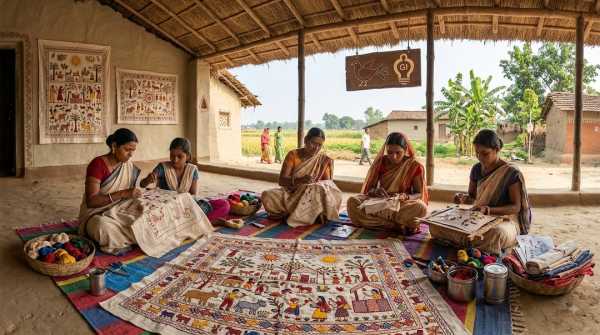
Bihar’s Sujani embroidery began as a practical tradition in village homes, where women stitched together old saris and dhotis to make quilts for newborns. Over time, these simple wraps became embroidered textiles carrying stories, beliefs and everyday experiences. The craft is associated with Bhasura village and is practised in several parts of Bihar, including Madhubani. Sujani received a Geographical Indication (GI) tag in 2006 under the Geographical Indications of Goods (Registration and Protection) Act, 1999. Its detailed needlework, distinctive motifs and use of bright threads have helped preserve an important part of Bihar’s textile heritage while creating livelihood opportunities for rural women.

Sujani Embroidery Origin And Meaning

Sujani is believed to have developed in Bhasura around the 18th century. Women initially made padded coverings for infants by layering and stitching together old cotton clothing. The practice gradually spread to neighbouring villages and developed into a distinctive embroidery tradition.

The name is linked to Sanskrit: “Su” is associated with goodness or ease, while “Jani” relates to birth. This connection reflects the craft’s original association with newborns and maternal care.

The embroidered surfaces often contain images of the sun, clouds, animals, birds, trees, flowers, and geometric forms. Older pieces commonly feature red and yellow threads. Red is associated with vitality, while yellow has links with the sun and energy. Sacred and mythical figures were also incorporated as protective symbols.

The craft eventually moved beyond infant quilts. Sujani is now found on bedspreads, wall hangings, curtains, stoles and other textile products.

How Sujani Is Made And Why It Matters

Making a Sujani piece starts with selecting a subject and planning its composition. Artisans may draw motifs directly onto the fabric or use basic stencils. Several layers of cloth are placed together and secured with running stitches.

Chain and back stitches are then used to outline figures, borders, and other details. Experienced artisans build up the design through careful stitching, creating texture and variation across the surface. The final stage involves trimming loose threads and finishing the edges.

For generations, this work was largely done inside village households. Its revival gained momentum in 1988 through efforts led by Nirmala Devi, who was associated with Mahila Vikas Sahyog Samiti. Training programmes and community-based initiatives helped women relearn and continue the technique.

Sujani is now an important source of income for women in more than 20 villages around Bhasura and Madhubani. Organised groups have helped artisans reach exhibitions and urban markets, giving them greater control over selling their work and earning from their skills.

Sujani’s Cultural Legacy

Sujani remains closely connected to the experiences of the women who made it. Its layered construction reflects the practice of transforming old household fabric into something useful, while its embroidered imagery records beliefs, family life and social concerns.

The craft’s GI recognition has further established its association with Bihar. At the same time, its continued practice depends on artisans passing stitching techniques and design knowledge to younger generations.

From a handmade baby wrap to a textile displayed in markets and exhibitions, Sujani has travelled a long way without losing its connection to Bihar’s rural communities.


READ NEXT
Cancel OK