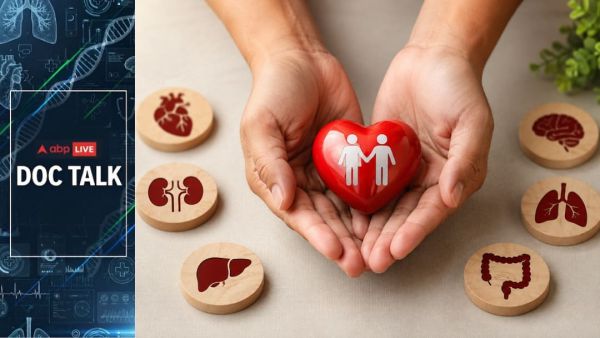
If a person has Diabetes mellitus, is overweight, or is above the age of 60, it does not necessarily mean that they cannot become an organ donor. In fact, many potential donors are excluded prematurely because of misconceptions around age and health conditions. The decision is not based on a single diagnosis, age, or body weight; it depends on the overall health of the donor and, most importantly, the condition and suitability of the organs being considered for transplantation.
Age Is Not The Sole Determinant
There's no hard age cutoff for deceased organ donation in India. National Organ & Tissue Transplant Organisation (NOTTO) doesn't set an absolute upper limit; instead, it assesses organ health at the time of death. Kidneys and livers are often considered viable from donors well into their 60s and 70s, while corneas and skin can come from donors who are much older still. This isn't just an Indian phenomenon either. In the US, nearly two out of every five organ donors are over 50. Age is a factor but not the only one.
What About Diabetes Mellitus?
This one's a bit more nuanced, and it depends heavily on whether we're talking about living or deceased donation. For deceased donors, having diabetes doesn't automatically take you off the list. The real question is whether it has caused damage to the specific organ being considered, the kidneys, heart, or blood vessels, for instance.
For living donors, most transplant programs, including those following NOTTO guidelines, generally exclude people with diabetes from living donation, particularly kidney donation, because removing an organ could put extra strain on someone whose body is already managing a chronic condition. The international guidance (like KDIGO's, Kidney Disease | Improving Global Outcomes) does allow for individualised assessment in select cases, for example, older donors with well-controlled type 2 diabetes, no insulin dependence, and no signs of organ damage.
And Being Overweight?
Extra weight does raise some real concerns, especially for living kidney donors, mainly around surgical risk and long-term health. NOTTO's guidelines flag a BMI (Body Mass Index) above 35 as a common exclusion point for living donation specifically, largely because of higher surgical complexity and future health risks to the donor.
But this isn't a blanket rule for all organ donations. For deceased donation, BMI is one of several factors weighed alongside kidney function, blood pressure, and metabolic health, not an automatic disqualifier on its own. Interestingly, studies reviewed by KDIGO found that in living kidney donors with higher BMI, surgery took only about 17 minutes longer on average, with no meaningful differences in blood loss or hospital stay.
So What Factors Are Looked At?
- Your age and general health
- Blood pressure and how your heart's doing
- How well your kidneys and liver are functioning
- If you have diabetes, how well it's being managed
- Your BMI, but alongside your broader metabolic health, not in isolation
- Any infections, cancers, or issues specific to the organ in question
- Whether we're talking about donation after death or while you're still alive
The message is simple: do not self-exclude from organ donation. A person who has diabetes mellitus, is overweight, or is above 60 may still have organs that can save another life. The final decision belongs to the transplant and medical teams after a comprehensive evaluation. In deceased donation, that assessment is made at the time of death; in living donation, protecting the donor’s long-term health remains the foremost consideration.
-
Asish Banerjee Death: What Purported Suicide Note Said About Corruption Allegations
-
Farmers’ Delhi March Begins Today: Haryana-Punjab Khanauri Border Sealed Ahead Of 228-Km Protest
-
Half Butterfly Pose: Do it daily for 5 minutes, you will get relief from stiffness, pain and bad posture!

-
Instant Rava Besan Barfi to enhance the joy and sweetness of the Shravan festivities, the taste of the dish lingers on the tongue.

-
Trendy Angrakha Suits: Stylish Options for Rakshabandhan