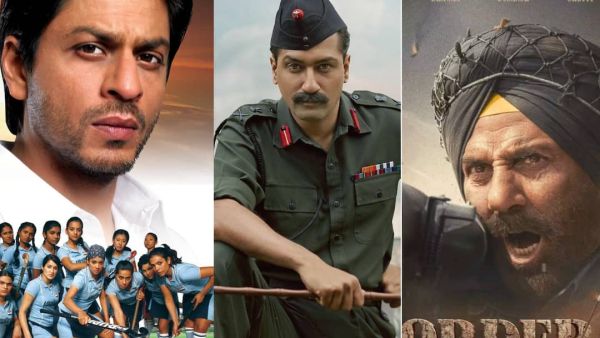
Every Independence Day, familiar Bollywood films return to television and streaming platforms, bringing back dialogues that have become part of India’s popular vocabulary of patriotism. From the battlefield drama of Border and Gadar: Ek Prem Katha to the sporting spirit of Chak De! India and the military leadership portrayed in Sam Bahadur, Hindi cinema has presented national pride in changing ways. Screenwriter Shantanu Srivastava and actress Vidya Malavade, speaking to ANI, reflected on why certain lines continue to resonate. Their views also show how Bollywood’s idea of patriotism has moved from nation-building and sacrifice to identity, confidence and collective pride.
Bollywood’s Changing Language Of Patriotism
Patriotic cinema has never followed a single formula. Over the decades, filmmakers have used war, sport, personal sacrifice and social responsibility to explore what it means to be Indian. Srivastava, who co-wrote Sam Bahadur, told ANI that patriotic films in the years following Independence often reflected a young nation’s focus on becoming self-reliant. Later, the emphasis shifted towards supporting soldiers and bringing those in difficult situations back home.
He believes the change also reflects the confidence of a more prosperous and self-reliant India. As national identity becomes more personal for audiences, familiar symbols such as the tricolour and national anthem can evoke an emotional response. Recent films have also adopted a more assertive tone. Referring to the popular dialogue from ‘Dhurandhar’, “Yeh naya Hindustan hai; yeh ghar mein ghusega bhi aur maarega bhi,” Srivastava said it reflects the current national mood.
At the same time, he pointed to ‘Sam Bahadur’ and its line, “Hum rahein na rahein, vardi ka gaurav zaroor rehna chahiye.” For him, impactful patriotic writing can still retain dignity and respect for the armed forces.
‘Chak De! India’ Put Identity Before Differences
Not every memorable patriotic dialogue in Hindi cinema has come from a war film. ‘Chak De! India’ made national identity central to a sports story, using the Indian women’s hockey team to explore differences of state, religion and background. The film’s dialogue, “Mujhe states ke naam na sunayi dete hain na dikhayi dete hain, sirf ek mulk ka naam sunai dedeta hai... INDIA,” remains one of its most recognised lines.
Vidya Malavade, who played Vidya Sharma in the film, told ANI that its message continues to connect with audiences because it places Indian identity above regional and social distinctions. She recalled the introduction of her character as “Vidya Sharma, India”, saying, “When I first read the line 'Vidya Sharma, India,' I still get goosebumps. It's not just a line; it's everything.”
Malavade explained that India’s diversity is part of what makes the national identity meaningful. “States are just parts of India; beautiful, amazing states with different food, clothes, and people, and so many languages. But what binds us together is this incredibly awe-inspiring nation called India or Hindustan,” she said.
That approach helped ‘Chak De! India’ stand apart from conventional patriotic dramas. Its central idea was not about fighting an enemy but finding common ground among people who came from different parts of the country.
Why These Dialogues Still Resonate
Srivastava believes believable writing is essential when dealing with patriotism. “You have to believe in what you are writing. You have to believe that you belong to this nation and that this nation is one of the best places in the world. For me, this is my home,” he told ANI. While discussing his connection with soldiers, he shared a line he had written for the occasion: “Indian soldier jab muskurata hai toh lagta hai sab theek ho jayega; Aur agar Indian soldier muskurana band karta hai toh lagta hai woh sabko theek kar dega,” he said.
He added, “For me, patriotism and my connection with the people who defend our nation is summed up in this line.”
Srivastava also described the research behind ‘Sam Bahadur’. He said he, Meghna Gulzar and Bhavani Iyer studied books and videos about Field Marshal Sam Manekshaw to understand not just his military career but also his personality and mannerisms. That research-driven approach is one reason dialogues from films such as ‘Sam Bahadur’ feel rooted in their characters rather than simply inserted to create patriotic moments.
From “amara Hindustan zindabad tha, zindabad hai, aur zindabad rahega!” in ‘Gadar: Ek Prem Katha’ to the team-first message of ‘Chak De! India’ and the emphasis on military honour in ‘Sam Bahadur’, Bollywood’s patriotic vocabulary has continued to evolve. The lines that endure are often those audiences can connect with beyond the film — whether through sport, family, national service or memories of the tricolour. Every Independence Day, their return to screens shows how deeply cinema has influenced the way generations of Indians express their relationship with the country.
-
Avengers: Doomsday Promo Released; Robert Downey Jr’s Doctor Doom Teased In New Marvel Release
-
PM Modi Sets Big Pharma Target: Indian Drugmakers Should Join World’s Top Five
-
Vande Mataram Row: Did Sonia Gandhi Ask To Stop Song? Congress Responds
-
'Every Citizen Contributes To Nation-Building': President Murmu Hails Sportspersons For Driving India’s Progress And National Pride
-
'Witch Hunt Of Students': 400+ NALSAR Alumni Slam BCI Over 'Coercive' Enrolment Ban, Free Speech Row Over CJI Invitation