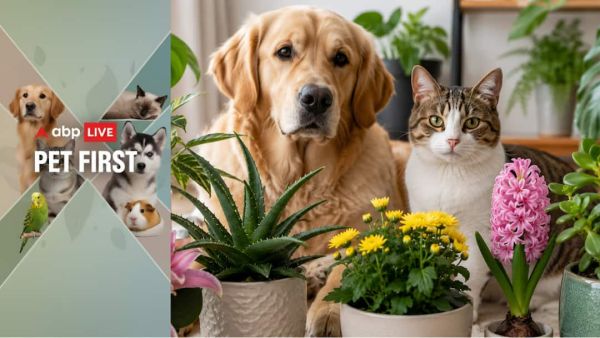
Plants are a simple way to add colour and freshness to your home, but not every houseplant is safe for pets. Cats and dogs may chew on leaves, flowers or bulbs out of curiosity, so pet owners should take care when choosing indoor greenery.
Here are seven common plants that can pose a risk to cats and dogs:
1. Lilies: A Serious Risk For Cats
Lilies may look beautiful, but certain true lilies and daylilies can be extremely dangerous for cats. Even small exposures, including pollen, can cause acute kidney injury and may be fatal. Keep lilies completely away from cats and check bouquets carefully before bringing them home.
2. Philodendron: Can Cause Mouth Irritation
Philodendrons contain insoluble calcium oxalate crystals. If chewed or swallowed, they can cause mouth pain, irritation, drooling, and vomiting. Similar concerns apply to other calcium-oxalate plants, including pothos or Devil's Ivy.
3. Oleander: Potentially Dangerous To The Heart
Oleander, also known as Nerium oleander, contains cardiac glycosides that can seriously affect pets. Ingestion may cause drooling, abdominal pain, diarrhoea, depression, and potentially life-threatening heart problems.
4. Aloe: Not Safe For Pets To Eat
Although aloe is widely known for its uses in skincare and traditional remedies, ingesting the plant can make cats and dogs ill. The ASPCA lists vomiting, diarrhoea, and lethargy among possible signs following ingestion.
5. Chrysanthemum: May Cause Stomach Upset
Chrysanthemums contain compounds that can be toxic to pets. If eaten, they may cause gastrointestinal problems and other signs of illness. As with any potentially toxic plant, it is best to prevent pets from chewing on them.
6. Hyacinth: Keep The Bulbs Away From Pets
Hyacinths can be harmful to both cats and dogs, with the bulbs presenting particular concern. Ingestion can cause intense vomiting, diarrhoea, depression and, in some cases, tremors.
7. Jade Plant: Keep Curious Pets At A Distance
Jade plants are popular indoor succulents, but they are listed as toxic to cats and dogs. Ingestion may lead to vomiting, depression, and a loss of coordination. Keeping the plant somewhere inaccessible can help reduce the risk.
Choose Pet-Friendly Plants
A little caution can go a long way when decorating a home with pets. Before bringing a new plant indoors, check its botanical name and toxicity status, rather than relying only on its common name. If you suspect your pet has eaten a potentially toxic plant, contact a veterinarian promptly.
Disclaimer: The information provided in this article is intended for general informational purposes only. It is not a substitute for professional veterinary advice, diagnosis, or treatment. Always consult a qualified veterinarian regarding your pet’s health, diet, or any medical concerns.
-
Independence Day 2026: 5 Striking Details That Stood Out At Red Fort Celebrations

-
PM Modi Announces Free Online Coaching For Competitive Exams, AI Training For 1 Cr Youth On I-Day

-
Youri Tielemans explains why Manchester United captain Bruno Fernandes is a “nightmare” to face

-
Mumbai Rotary Clubs Launch Impact Games India, A First-Of-Its-Kind City-Wide Multi-Sport Event For Mumbaikars

-
Hockey World Cup 2026: India Draw Inspiration From 1975 Triumph Ahead Of Wales Opener