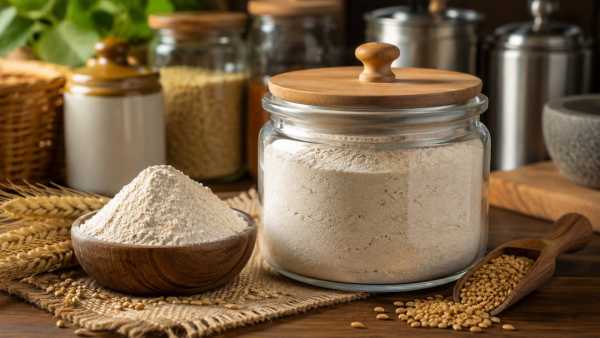
Wheat flour is a staple in most Indian kitchens and is used regularly to prepare rotis, parathas and several other dishes. Since atta is consumed frequently, many households prefer buying it in larger quantities. However, improper storage can expose flour to moisture, heat and air, which may affect its freshness and encourage insect infestation. Tiny insects in a flour container can be particularly frustrating, but the right storage practices can help reduce the risk.
Why Do Insects Appear In Flour?
Flour can deteriorate when exposed to humidity, heat or air for prolonged periods. An opened packet left in a warm or damp kitchen can become more vulnerable to pests and changes in quality. The flour should therefore be stored carefully as soon as possible after opening. Keeping it away from direct sunlight, steam and moisture can help preserve its texture and freshness. It is also worth checking the flour before storing it. If you notice insects, an unusual smell, visible mould or other signs of spoilage, it is better not to use the flour.
Store Flour In An Airtight Container
Instead of leaving atta in its original paper or plastic packaging for weeks, transfer it to a clean, dry and food-safe airtight container. Glass or food-grade plastic containers with secure lids are suitable options. Make sure the container is completely dry before adding the flour. Even a small amount of moisture can cause the flour to clump and affect its quality. A tightly sealed container also limits exposure to air and helps create a barrier against household pests. If you buy flour in bulk, storing it in smaller airtight containers can make everyday use more convenient.
Choose A Cool And Dry Storage Spot
Where you keep the flour is just as important as the container. Store the airtight box in a cool, dry and relatively dark part of the kitchen, such as a pantry or cupboard. Keep it away from the sink, stove and other areas exposed to water, steam or excessive heat. Avoid placing the container in direct sunlight, as heat can affect the flour's freshness over time.
Can You Store Atta In The Refrigerator?
If you don't use flour frequently or have purchased a large quantity, refrigeration can be an option. Place the flour in a properly sealed container before putting it in the refrigerator. The container should remain tightly closed to prevent the flour from absorbing moisture or odours from other foods. Allow refrigerated flour to return to room temperature before opening the container if condensation could be an issue.
Freezer Storage For Longer-Term Use
For households that use flour sparingly or purchase it in bulk, freezer storage can help extend its usable life. Use a moisture-proof, airtight container or suitable freezer-safe packaging. When taking flour out of the freezer, avoid opening the container immediately if condensation is likely. Allow it to reach room temperature while sealed before opening it. This helps prevent moisture from settling on the flour.
How To Identify Spoiled Flour?
Before using stored flour, check its appearance and smell. A rancid, sour or musty odour can indicate that the flour is no longer suitable for use. Visible mould, unusual discolouration, significant pest infestation or other clear signs of spoilage are also reasons to discard it. Storage life can vary depending on the type of flour and how it is packaged and stored. Whole-wheat flour, for example, contains more of the grain's natural oils and can become rancid sooner than highly refined flour. When in doubt about the quality or safety of stored flour, it is better to discard it rather than use it.
-
5 hours from Hyderabad, this tiger haven is worth the drive

-
Trump’s antisemitism lawsuit against Harvard University dismissed

-
We are beggars: JNU Vice-Chancellor pitches for campus temple

-
What have I done: Jinnah’s reported reaction to Partition

-
Samay Raina gets last laugh as SC quashes all FIRs against him