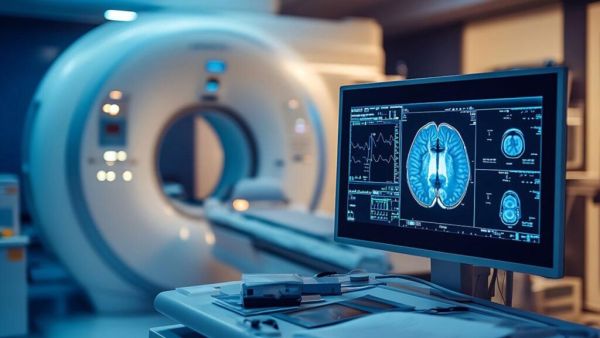
- Rare autoimmune brain disorder found behind 'seizures'
- Timely diagnosis at Kim's Hospital
- The team started intravenous immunoglobulin treatment
Thane: A 35-year-old woman had been struggling with recurrent seizures and vague neurological symptoms for about three months. She was treated in many hospitals. She was being treated for seizures and was given antidepressant medication as part of the investigation. Despite several tests, the exact reason behind her deterioration was not clear. However, after she had another seizure during a scheduled MRI scan at Kim's Hospital Thane, doctors identified the true cause of the problem. Autoimmune encephalitis is a rare neurological disorder in which the body's immune system mistakenly attacks the brain.
Suffering from a toxic workplace? Special tips to keep yourself away from negativity in the office and stay positive
After the woman suffered a severe seizure during a scheduled 3-Tesla MRI scan, Dr. Dr. Dipesh Pimple immediately examined her. She was suffering from frequent seizures for almost three months. She had previously undergone neurological examination elsewhere. A video EEG was found to be normal, while a PET scan showed reduced metabolic activity in parts of the brain. Her Dr. Siddharth Kharkar, consultant neurologist, also examined. He also suspected an autoimmune neurological disorder and advised to continue immunotherapy.
Sudden deterioration during MRI examination strengthened the possibility that the disorder was not a typical seizure disorder. Abnormal body movements continued despite medication and did not resemble conventional epileptic seizures. As her condition worsened, she required emergency intubation, ventilator support and multiple anti-epileptic drugs. Meanwhile, Dr. Amit R., Dr. Yogendra and Dr. The neurology and critical care team, led by Paulomi, rapidly continued treatment to find the root cause of the condition.
A major challenge in this case is that both routine EEG and prolonged EEG monitoring remained normal despite frequent seizure-like episodes. Taking into account the unusual pattern of seizures, behavioral changes, normal EEG findings, and the overall medical condition, Dr. Dipesh Pimple strongly suspected autoimmune encephalitis on the first day of his admission to the hospital. It is a rare neurological disorder, which can often resemble epilepsy or mental illness. This can lead to delay in diagnosis and treatment.
Without waiting for further deterioration, high-dose intravenous methylprednisolone treatment was initiated after detailed discussion with the patient's family. At the same time, additional tests including whole-body PET-MRI were performed to check for hidden cancer, as some forms of autoimmune encephalitis can be associated with hidden cancer. A high-resolution 3-Tesla MRI showed volume loss in the left temporal lobe of the brain, further confirming the diagnosis. Although the frequency of abnormal movements decreased, such episodes continued occasionally for the next few days. After discussing advanced treatment options with the family, the medical team started intravenous immunoglobulin (IVIG) treatment.
There was a remarkable response to this treatment. The patient's abnormal movements significantly decreased on the second day of immunoglobulin treatment. Over the next few days, her ventilator support was gradually reduced and she was moved out of the intensive care unit. Her strength returned through planned neurological rehabilitation. She started walking independently, taking food without any assistance and gradually returned to daily activities. Even during follow-up examinations, her condition continued to improve, with only occasional mild symptoms.
Speaking about this case, Dr. Consultant Neurologist at Kim's Hospital Thane. Dipesh Pimple said: “Autoimmune encephalitis is one of the most challenging neurological disorders, because in the early stages it can look like epilepsy or primary mental illness. In this patient, the type of seizures, normal findings of EEG and behavioral changes did not match the usual picture. Instead of waiting for the final result of each examination, we emphasized on careful medical evaluation and started early immunotherapy. Timely treatment plays an important role in bringing the disease under control and significantly improving the patient's condition. executed.”
The coordinated involvement of neurology, critical care, radiology, psychiatry, rehabilitation specialists, the nursing team, and other allied health care professionals was critical to the successful recovery of this patient. This case highlights the importance of early clinical suspicion and effective coordination between various specialists, including neurologists. This can lead to timely diagnosis and life-saving treatment for patients with rare neurological disorders.
Autoimmune encephalitis is a rare but treatable neurological disorder. In this, the body's immune system attacks healthy brain tissue. Symptoms may include seizures, memory problems, confusional states, behavioral changes, or symptoms associated with mental illness. Therefore, early diagnosis of this disease becomes challenging. According to experts, patients who have frequent unexplained seizure-like episodes and do not respond to the expected treatment should undergo a timely neurological examination. Early diagnosis and immunotherapy can greatly improve treatment outcomes.
This case highlights the importance of physician clinical judgment along with clinical investigations. Timely diagnosis of the rare disease and prompt treatment enabled the medical team to reverse the course of this potentially life-threatening neurological disease and help the young woman live her daily life independently again.
Different Thyroid Reports: Thyroid reports from two labs came out different? Know 'these' things before panicking
-
Beautiful places like Switzerland in India

-
'Season 2 of Jantar Mantar Protest will start soon…': Abhijeet Deepke's big announcement creates panic

-
Headline: Can smoking e-cigarettes also cause fatal lung cancer? Know how dangerous is vaping and what the country's top doctors say

-
Blackpink’s Lisa under fire for allegedly prioritizing rumored boyfriend over anniversary celebration

-
Humraahi finale to be screened in cinemas