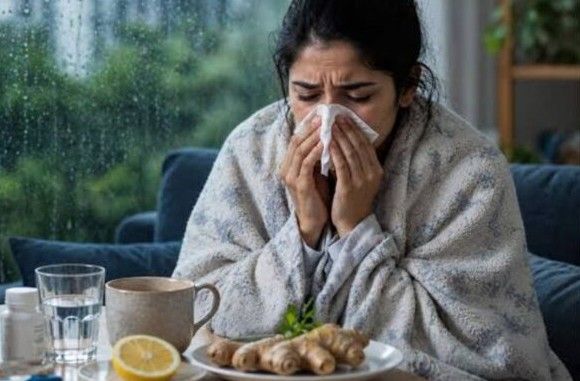
H1N1 influenza Delhi: A rapid increase in H1N1 influenza cases is being seen in Delhi this season. At the same time last year, 229 cases were reported, whereas this time 1,344 cases have been reported. The nearly six-fold increase in cases is not just a jump in statistics; This indicates that influenza is spreading rapidly in the National Capital Region (NCR). With cases rising, many people are wondering if they should get a flu vaccine now, especially if they have never gotten vaccinated before.
Dr. Vandana Garg, Director of Internal Medicine at Max Super Specialty Hospital, Vaishali, Ghaziabad, says that vaccination can be an important method of prevention, but this decision should be taken on the basis of the individual’s own risk, rather than panicking over the increasing number of cases. “As influenza cases are increasing in some areas of Delhi, questions about H1N1 vaccination have become common,” says Dr. Garg. She adds, “One should not get vaccinated just because he or she has seen it in the news. Vaccination should be done based on the individual’s own risk.
Does the flu vaccine protect against H1N1?
H1N1 is a subtype of influenza A. Although the infection may be mild in many people, it can also cause serious complications, especially in those at high risk. Seasonal flu vaccines are designed to protect against influenza strains that are expected to spread during a particular season, and may also include protection against the H1N1 strain. The important thing is that the flu vaccine does not cause influenza. Dr. Garg says that after vaccination, it takes about two weeks for the immune response to develop in the body, so protection is not provided immediately.
Aaj Ka Chandi Ka Bhav Gold Price Today 11 August 2026: Silver prices increased, prices rose up to Rs 4000; Know what are today’s rates in the cities of the country?
Who should get the flu vaccine?
Vaccination is especially important for people who are at higher risk of complications from influenza. According to Dr Garg, priority groups include the elderly, young children, pregnant women and healthcare professionals, as well as people with co-morbidities, such as asthma, chronic lung disease, diabetes and heart disease. People with weak immunity can also benefit from vaccination.
-
Bankim Chandra’s descendant writes to Sonia Gandhi over Vande Mataram

-
Andhra Assembly session to begin on Aug 17
-
Devji, other surrendered Maoists urge Centre to lift CPI(M) ban

-
CJP volunteer Abdul’s father dies after assault by BJP workers

-
Inside Sania Mirza’s Dubai home, Salman Khan’s art steals show