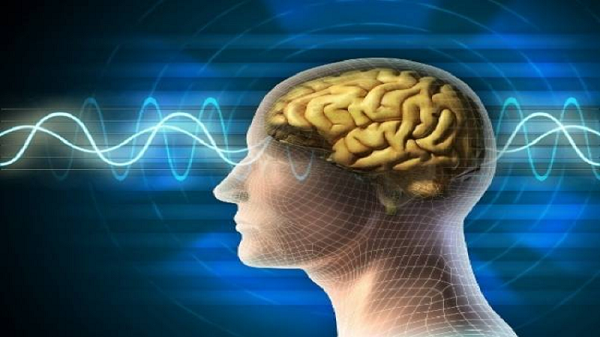
New Delhi. Meditation and yoga have long been considered beneficial for keeping the brain healthy. Meditation is usually associated with reducing stress and keeping the mind calm, but a new scientific study has revealed new possibilities regarding its effect. The study, conducted by researchers at the University of California, found several measurable changes in participants' brains and bodies after just seven days of intense meditation and mind-body exercises. Researchers also found changes in brain activity, along with biological indicators in the blood, immune system metabolism and the body's natural pain control processes. The most interesting thing was that the study also showed signs of changes to neuroplasticity.
Neuroplasticity is the natural ability of the brain to change its functioning and neural connections based on new experiences and repeated practice. If understood in simple language, the brain is not completely stable but has the ability to adapt itself according to circumstances and experiences. For this reason, scientists are trying to understand meditation not only as an activity that gives mental peace but also as a complex biological process occurring between the brain and body.
20 healthy adults were included in this study. All participants took part in a seven-day residential programme. During this period, he was given training to meditation daily and a total of about 33 hours of guided meditation was done. The participants' brains were examined with fMRI before the program began and after it ended. Along with this, various biological processes occurring in the body were also analyzed by taking their blood samples.
According to the researchers, after the seven-day program, there was a decrease in the activity of those parts of the brain that are associated with continuous internal thoughts and mental conversations. Experts have linked this to potentially improved efficiency in brain function. Apart from this, changes to some biological indicators present in the blood, immune activity and metabolism were also studied. This indicates that the effect of meditation may not be limited only to a person's mental experience but may also be to many processes in the body.
-
Read this also Incomplete sleep at night can spoil the brain throughout the day, can increase stress and risk of many diseases.
Although the results of this study are encouraging, it is too early to consider them as final conclusions. The study involved only 20 healthy adults and lasted just seven days. Therefore, larger, longer-term research will be needed to determine how lasting these changes from meditation are and how their effects may vary across people of different ages and health conditions.
At present, this study definitely gives important indications in this direction that regular and intense meditation can affect the functioning of the brain as well as other biological processes of the body. That is, instead of considering it as just a means of reducing stress, meditation can also be seen as a lifestyle habit to the overall health of the brain and body.
-
Kerala varsity VC: Vande Mataram critics don’t know who’s mom

-
Saif’s sister Saba reveals Sharmila Tagore converted to Islam

-
Top 10 | ABP LIVE Evening Bulletin: Top News Headlines from 15 August 2026 - Evening

-
Chamoli tunnel accident: Minister assesses rescue for 2 missing workers

-
National Flag: Kerala Officials Face Case Over Tricolour Display! Read On