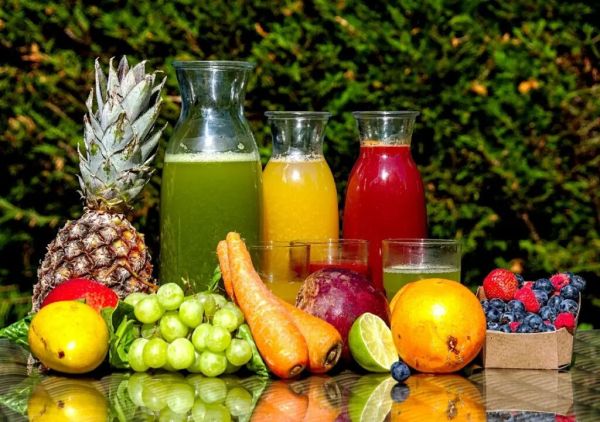
Newcastle: A daily glass of 100% fruit juice or a smoothie could offer more than a convenient way to increase fruit intake, according to a new study from Newcastle University in the UK. Researchers found that people who added juice or smoothies while increasing their fruit and vegetable consumption recorded lower depression scores after four weeks.
Small study finds promising mood benefits
The randomised controlled trial involved 42 adults who were eating two or fewer portions of fruit and vegetables each day. Participants were divided into three groups: a control group, a group encouraged to eat five portions through whole fruits and vegetables, and a group that combined whole produce with one daily portion of fruit juice or a smoothie.
After four weeks, both intervention groups had substantially increased their fruit and vegetable intake. However, the group consuming juice or smoothies alongside whole produce recorded significantly lower depression symptoms compared with the control group.
The difference was 2.52 points on the 27-point depression questionnaire, which researchers described as modest but statistically significant. No significant differences were found in anxiety symptoms or gut symptoms.
Researchers urge further investigation
Dr Oliver Shannon, Lecturer in Human Nutrition and Ageing at Newcastle University, said the findings were promising but required further research, particularly among people experiencing poor mental well-being.
The researchers also found that both dietary intervention groups increased their estimated daily fibre intake by around 8–10 grams. There were no adverse changes in the metabolic health markers measured during the short trial.
However, the study was small and lasted only four weeks. It therefore does not establish that fruit juice directly treats or prevents depression.
The research, published in the British Journal of Nutrition, suggests that practical dietary changes may support better nutrition and potentially contribute to mental well-being. Larger and longer studies will be needed to understand whether the effect continues over time.
-
Liverpool and Manchester United told €60 million will not be enough to sign Lamine Camara

-
Dipke to launch ‘School Thik Karo’ Campaign for govt schools

-
NMDC Q1 profit rises 2 pc to Rs 2,007 crore, output up 26 pc

-
Kharge, Rahul Gandhi Skip Red Fort Independence Day Event For Second Year In A Row

-
Quote of the day by Pablo Picasso: “I am always doing that which I cannot do, in order that I may learn how to do it.”