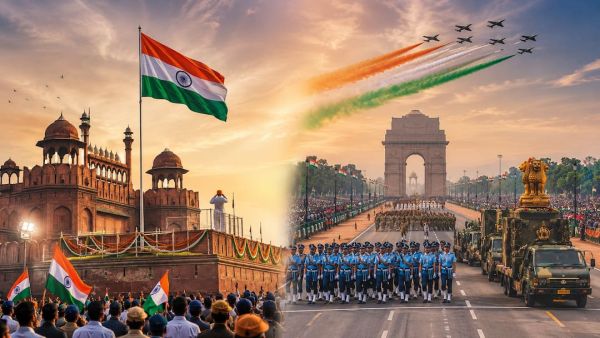
Every year, India celebrates two major national festivals with the Tricolour, patriotic songs, flag-hoisting ceremonies and grand events. Yet, Independence Day and Republic Day mark two very different milestones in India's history. While Independence Day commemorates India's freedom from British rule, Republic Day celebrates the country's transition into a republic governed by its own Constitution. The difference goes beyond their dates. From the historical events behind them to the ceremonies held on these occasions, here are seven key differences every Indian should know.
Independence Day And Republic Day: Historical Difference
The first major difference lies in what the two days commemorate. Independence Day is observed on August 15 and marks India's independence from British colonial rule in 1947. On August 15, 1947, India became an independent nation after decades of struggle. Republic Day is celebrated on January 26 and marks the day the Constitution of India came into effect in 1950. Although India became independent in 1947, the country continued to function under transitional constitutional arrangements until the Constitution formally established India as a republic. The choice of January 26 also has historical significance. In 1930, the Indian National Congress had declared Purna Swaraj, or complete independence, as its goal, and January 26 was observed as Independence Day before actual independence arrived in 1947.
7 Key Differences Between The Two Days
1. Date: Independence Day is celebrated on August 15, while Republic Day is observed on January 26.
2. Historical significance: August 15 marks India's freedom from British rule. January 26 commemorates the adoption and enforcement of the Constitution.
3. Year: India became independent in 1947. The Constitution came into effect in 1950.
4. Main ceremony: On Independence Day, the Prime Minister hoists the national flag at the Red Fort in Delhi and addresses the nation.
5. Republic Day ceremony: On Republic Day, the President of India unfurls the national flag and the grand Republic Day Parade takes place in New Delhi.
6. Constitutional significance: Independence Day celebrates India's emergence as a sovereign nation, while Republic Day celebrates India becoming a sovereign democratic republic under its Constitution.
7. Celebrations: Independence Day is strongly associated with flag-hoisting ceremonies, patriotic programmes and the Prime Minister's Red Fort address. Republic Day is particularly known for its grand parade showcasing India's cultural diversity, military strength and achievements.
Why Both Days Matter
Independence Day and Republic Day may be separated by just a few months, but together they tell the story of modern India. August 15 represents freedom, while January 26 represents the constitutional framework through which that freedom is exercised. One recalls the nation's liberation from colonial rule; the other celebrates the democratic republic that emerged from it. So, the next time the two national festivals come around, remember the simplest distinction: India became independent on August 15, 1947, and became a republic on January 26, 1950. Both are milestones in the country's journey and both carry a significance that goes far beyond the celebrations.
-
Financial Horoscope Today, August 11, 2026: Cancer Signs Will Strengthen Financial Relations, Know the Status of All Signs
-
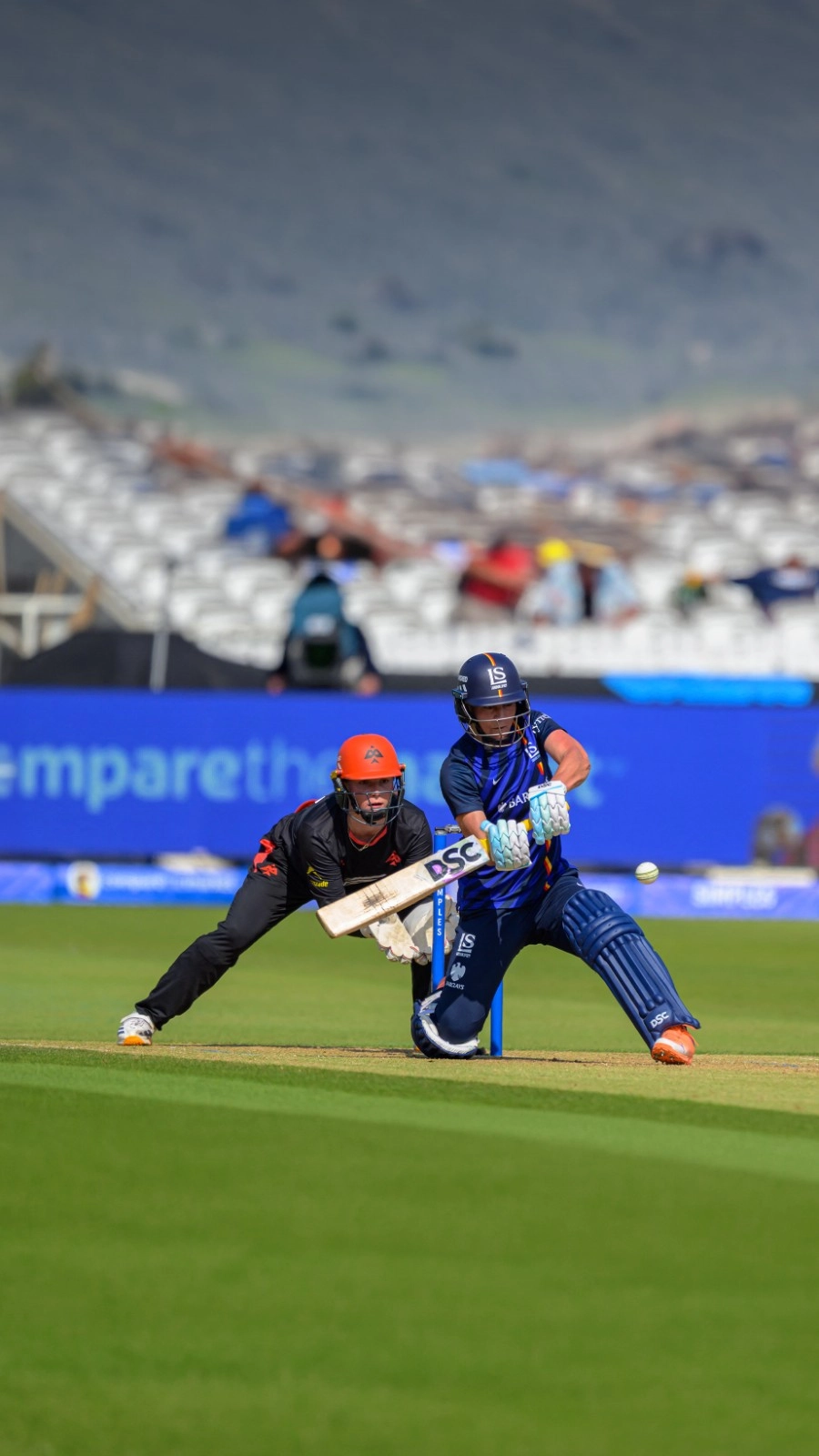
Marizanne Kapp Smashes Three Consecutive Sixes; Scores Stunning 57 for London Spirit against Birmingham Phoenix in The Hundred
-
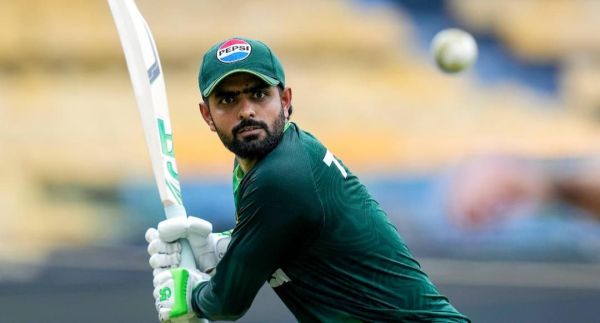
Babar Azam vs Shaheen Afridi? Battle For Pakistan's ODI Captaincy Intensifies
-
Pet First | 7 Adorable Dog Traits That Make Them Impossible To Resist

-
ABP LIVE Doc Talk | Why Oral Health Matters During Cancer Treatment And Hospitalisation