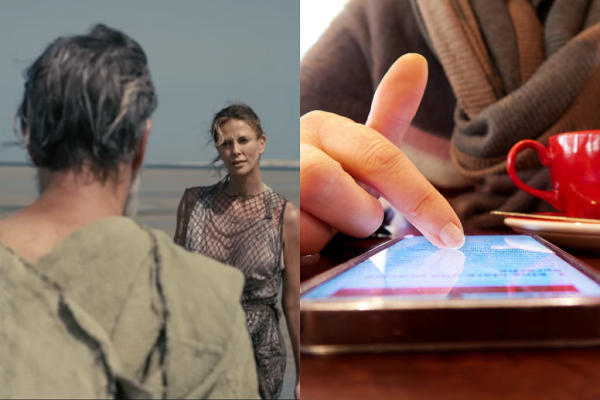
5 Digital ‘Lotus-Eater’ Habits in 2026: How Nolan’s The Odyssey Mirrors Our Modern Addictions
Homer’s Odyssey is an ancient story, but its themes continue to feel surprisingly relevant in the digital age. Christopher Nolan’s 2026 adaptation brings the epic tale to the big screen, following Odysseus on his dangerous journey home after the Trojan War. The film also explores the seductive power of the lotus, which offers an escape from painful memories and the desire to return home.
That idea provides an interesting metaphor for modern digital life. Today, we may not eat mythical lotus flowers, but smartphones, social media, streaming platforms and endless online entertainment can offer their own forms of distraction and escape.
Here are five everyday digital habits that resemble the “Lotus-Eater” effect.
1. Endless Social Media Scrolling
You open Instagram, Facebook or another social platform intending to spend five minutes checking updates. Suddenly, half an hour has disappeared.
The problem isn’t simply the amount of content. Social platforms continuously provide something new to look at, making it easy to remain engaged without a clear stopping point.
Like the lotus in the ancient story, endless scrolling can provide temporary escape from boredom, stress or uncomfortable thoughts.
2. Short-Video Addiction
Short-form videos are designed around rapid changes in content. One clip ends and another begins almost immediately.
This makes platforms featuring short videos particularly easy to consume passively. Instead of actively deciding what you want to watch, you can simply keep swiping.
Over time, this habit can make periods of silence or boredom feel unusually difficult.
3. Streaming One Episode After Another
Streaming services have made entertainment incredibly convenient. The next episode can begin automatically before you’ve even decided whether you want to continue watching.
Watching a show occasionally isn’t inherently problematic. The issue arises when entertainment becomes a default way to avoid responsibilities, sleep or uncomfortable emotions.
The digital version of the lotus is not necessarily the show itself—it is the inability to stop.
4. Constant Phone Checking
Do you unlock your phone even when you don’t have a notification?
Checking email, messages, news, social media and other apps can become an automatic behavior. Research into digital dependency has documented how people can develop strong habits around their devices and feel uncomfortable when separated from them.
The phone becomes a reflex rather than a tool.
5. Doomscrolling the News
News consumption can also become strangely compulsive. People may repeatedly refresh websites and social feeds searching for the latest update, even when the information does not materially affect their lives.
The result can be a cycle of anxiety followed by more information seeking.
Instead of helping us feel informed, excessive consumption can leave us mentally exhausted while still wanting to know what happens next.
What Makes These Habits Similar to the Lotus?
The important similarity is escape.
In Nolan’s The Odyssey, the lotus is connected to forgetting painful experiences and losing sight of the journey home. One interpretation of the film’s lotus imagery is that it represents the temptation to escape trauma and responsibility rather than confront them.
Modern technology can sometimes provide a similar psychological escape:
| Digital habit | What it can help us escape |
|---|---|
| Social media scrolling | Boredom or loneliness |
| Short videos | Silence or uncomfortable thoughts |
| Streaming | Stress and responsibilities |
| Constant phone checking | Anxiety or uncertainty |
| Doomscrolling | The desire to feel informed or in control |
The Problem Isn’t Technology Itself
Smartphones, social media and streaming services aren’t inherently harmful. They can provide communication, education, entertainment and valuable information.
The concern begins when consumption becomes automatic rather than intentional.
A useful question is: “Did I choose to do this, or did I simply reach for my phone because I didn’t know what else to do?”
That distinction can reveal whether a digital habit is serving you—or quietly controlling your attention.
How to Break the Digital Lotus-Eater Cycle
A few simple changes can help:
- Turn off unnecessary notifications.
- Keep your phone away during meals and before bedtime.
- Set specific times for checking social media.
- Replace some screen time with walking, reading or conversations.
- Avoid using your phone automatically whenever you feel bored.
- Take regular periods away from digital entertainment.
The goal isn’t to eliminate technology. It’s to regain control over when and why you use it.
The Bottom Line
The ancient Odyssey warns about the temptation to forget the journey and surrender to comfort. Nolan’s adaptation brings that idea into a modern cinematic context, while our digital lives provide an unexpected real-world parallel.
In 2026, the lotus may not be a mythical flower. It might simply be the glowing screen in our hand—always offering another video, another notification or another reason to postpone the journey we’re actually trying to make.
-
Gianni Infantino faces fresh setback as UEFA, AFC and Concacaf say trust in FIFA leadership has been broken

-
No Time To Work Out? Woman Reveals Diet That Helped Her Lose 20 kg In Just 3 Months

-
Is the rainy season increasing dandruff and itchy scalp? A hair pack made from yogurt, lemon, henna, and oil can help.

-
Your Zodiac Sign’s Love Horoscope Is Here For Tuesday, August 11, 2026

-
As night falls, the sound of Nupur, supernatural screams, and a creepy atmosphere fill these 3 ‘haunted’ villages in Bengal.