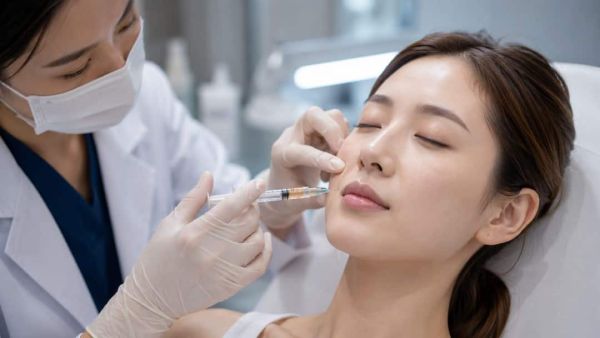
The rise of GLP-1 weight-loss medicines has brought a new cosmetic concern into focus: changes in facial volume after significant weight loss. Often referred to as “Ozempic face”, the appearance can include hollow cheeks, loose skin, and a more sunken facial profile. South Korean biotechnology company L&C Bio is now developing an injectable treatment aimed at addressing this issue. The company says its experimental product uses processed donated human fat rather than synthetic fillers. If successfully commercialised, the treatment could add another option to the rapidly evolving K-beauty market, where skin boosters and regenerative treatments have gained considerable attention in recent years.
Human Fat-Based Injectable Targets Volume Loss
L&C Bio has developed a technology that uses donated human fat to create an extracellular matrix, which acts as a structural framework in treated areas. According to the company, this approach is intended to support the growth of a person’s own fat cells and potentially restore facial volume.
The product is tentatively called MegaAdipoECM. L&C Bio chief executive Lee Whan-chul said the company sees potential demand among people experiencing facial changes following weight loss associated with GLP-1 medicines.
The proposed treatment is different from the company’s existing Re2O skin booster. Re2O uses donated human tissue and is primarily positioned around improving skin quality and addressing wrinkles, while MegaAdipoECM is being developed specifically around volume restoration.
Patents And Changing Regulations
L&C Bio says it developed the underlying technology around five years ago and has obtained patents covering the technology in South Korea, the United States and China.
The company’s plans have also been influenced by changes in South Korean regulations. Lee said commercial development had previously faced a regulatory hurdle because donated fat was classified as medical waste. According to the company, a legal change in South Korea in 2026 allowed donated fat to be processed and reused for medical applications.
The development comes as South Korea continues to influence international beauty trends. Treatments and concepts associated with the country’s beauty industry, including glass-skin routines and various skin-focused procedures, have attracted consumers well beyond the country.
What Could The Treatment Mean For K-Beauty?
The proposed injectable signals a possible shift in the beauty industry from simply improving skin texture towards addressing changes in facial volume following weight loss.
L&C Bio also believes its technology could eventually have applications beyond the face. Lee has suggested that the treatment may offer a biological alternative to certain volume-enhancing procedures, although its safety, effectiveness and potential uses would need to be established through appropriate clinical and regulatory processes.
For now, MegaAdipoECM remains a developing product rather than an established treatment. Claims about its ability to reverse “Ozempic face” should therefore be viewed in the context of the company’s development plans rather than as proven medical outcomes.
As weight-loss medicines become increasingly common, demand for treatments addressing changes in appearance may continue to grow. Whether human fat-based injectables become the next major K-beauty trend will depend on clinical evidence, regulatory approvals, safety data and consumer acceptance.
-
'Captains Expected To Set Standards': Ex-Wife Calls For Ashleigh Gardner's Sacking After Affair With Younger Teammate

-
Govinda Reveals He Was 'Kind Of' Suicidal After Mother Nirmala Devi's Death: 'I Was In Tremendous Pain, Felt Everything Was Over'

-
Man booked for stalking flight attendant at Hyderabad Airport

-
Man caught with 4.2 kg ganja chocolates in Rangareddy district
-
Mamata attacked during visit to deceased TMC worker’s house