New Delhi, August 8, 2026: The Payments Council of India (PCI) said that despite amendments to the Payment and Settlement Systems Act, 2007, consumers and small businesses will continue to use the Unified Payment System (UPI) without any fees. The PCI’s statement comes a day after the Lok Sabha passed the Taxation and Other Laws (Amendment) Bill, 2026, which allows the government to levy fees on digital payment methods, including UPI.
In a statement issued on social media platform X, PCI said UPI has been free for consumers since its launch in 2016 and digital payments will remain free of transaction fees. The council also clarified that small businesses, including grocery stores, will not be charged a merchant discount rate (MDR) for accepting UPI payments.
-
No charges will be levied from customers in future too: PCI
Further, PCI said that even if merchant service fees are imposed on large businesses in the future, there will be no charge to consumers for using UPI. The council clarified that, wherever applicable, MDR fees are a commercial arrangement between merchants and payment service providers. These fees are not burdened on consumers.
After the bill was passed, Finance Minister Nirmala Sitharaman also clarified that the Merchant Discount Rate (MDR) is applicable only to merchants. Sitharaman said that it has no connection with consumers. This investment strengthens financial infrastructure and security. In this context, the Payments Council of India (PCI) has also confirmed that UPI services will be completely free for consumers.
Notably, Finance Minister Nirmala Sitharaman said that the MDR fee is applicable to merchants, not consumers. This amount is used by banks and financial technology companies to improve their infrastructure and security. She also rejected the claim of Congress leader Jayarat Ramesh, which said that the burden of using UPI may increase on the common man.
-
How to grow plump and juicy tomatoes

-
Is wearing slippers indoors right or wrong? Find out which is better for your health.

-
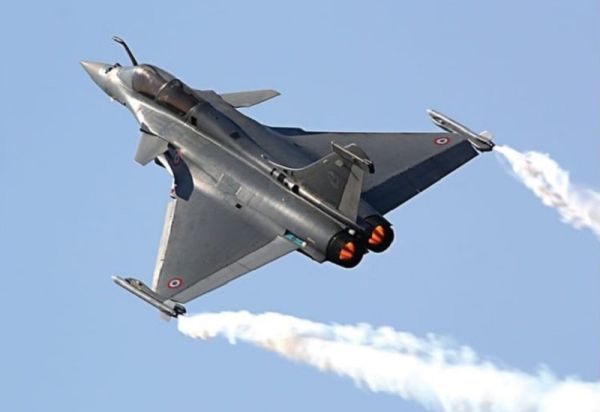
India steps up efforts to join France’s sixth-generation fighter aircraft programme
-
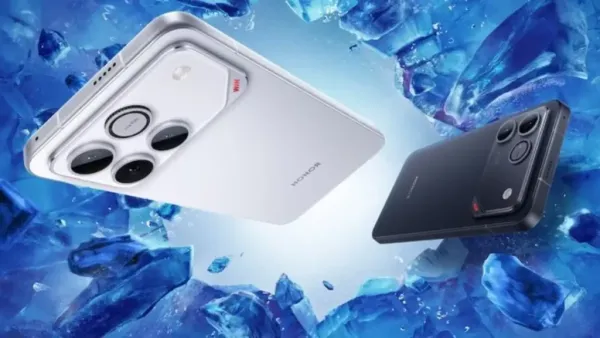
Honor Win 2: Powerful phone with 10,000mAh battery launching soon, will feature 2nm Snapdragon chip and 185Hz display
-
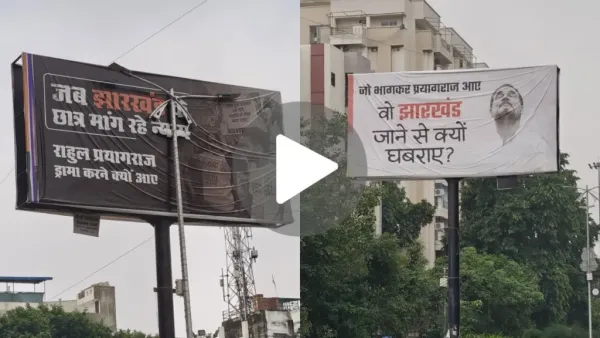
When will you come, my Rahul? Poster war erupts ahead of Prayagraj visit; Rahul Gandhi surrounded by student issues, PHOTOS