US President Donald Trump signed two executive orders on Thursday, August 6, limiting eligibility for birthright citizenship, while India abolished the provision decades ago.
India is among the many countries that abolished birthright citizenship decades ago.
What is birthright citizenship?
Countries that grant birthright citizenship follow the principle of jus soli (“right of the soil”), under which anyone born in the country’s territory is entitled to citizenship.

Across the world, nine countries follow unrestricted jus soli. They are Argentina, Brazil, Canada, Chile, Mexico, Peru, Uruguay, Venezuela and the United States. However, the US has now imposed conditions to limit the number of people eligible for birthright citizenship.
One order signed by Trump on Thursday targets people who engage in commercial “birth tourism” by seeking to deny them access to the country. The other expands the categories of people it says are ineligible for birthright citizenship, such as children of foreign citizens who lobby on behalf of foreign governments.
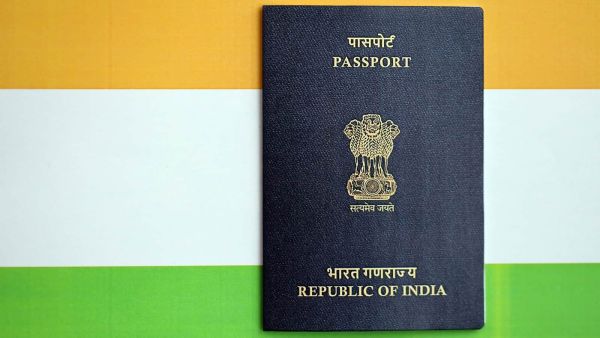
Birthright citizenship abolished in India
India abolished birthright citizenship in 1987. Those who were born in India before July 1, 1987, are considered Indian citizens.
Those born in India between July 1, 1987, and December 2, 2004, are not automatically considered Indian citizens unless at least one of their parents was an Indian citizen at the time of their birth.
Those born in India after December 2, 2004, are considered Indian citizens only if one parent is an Indian citizen and the other is not an illegal immigrant at the time of their birth.
Following amendments to the Citizenship Act, 1955, India no longer grants unconditional birthright citizenship.
-
3 Zodiac Signs Have Really Good Luck The Week Of August 10 – 16, 2026

-
Polka dots, reimagined: How Rare & Rareism turns a timeless motif into a modern wardrobe staple

-
Sabudana is eaten a lot during the Sawan fast, but first know for whom it can be harmful.

-
Do you feel sleepy repeatedly during the day? Be careful, it’s not just laziness, it could be an early sign of these 5 serious diseases.

-
What is China’s ‘unhappy leave policy’? Why is demand increasing?