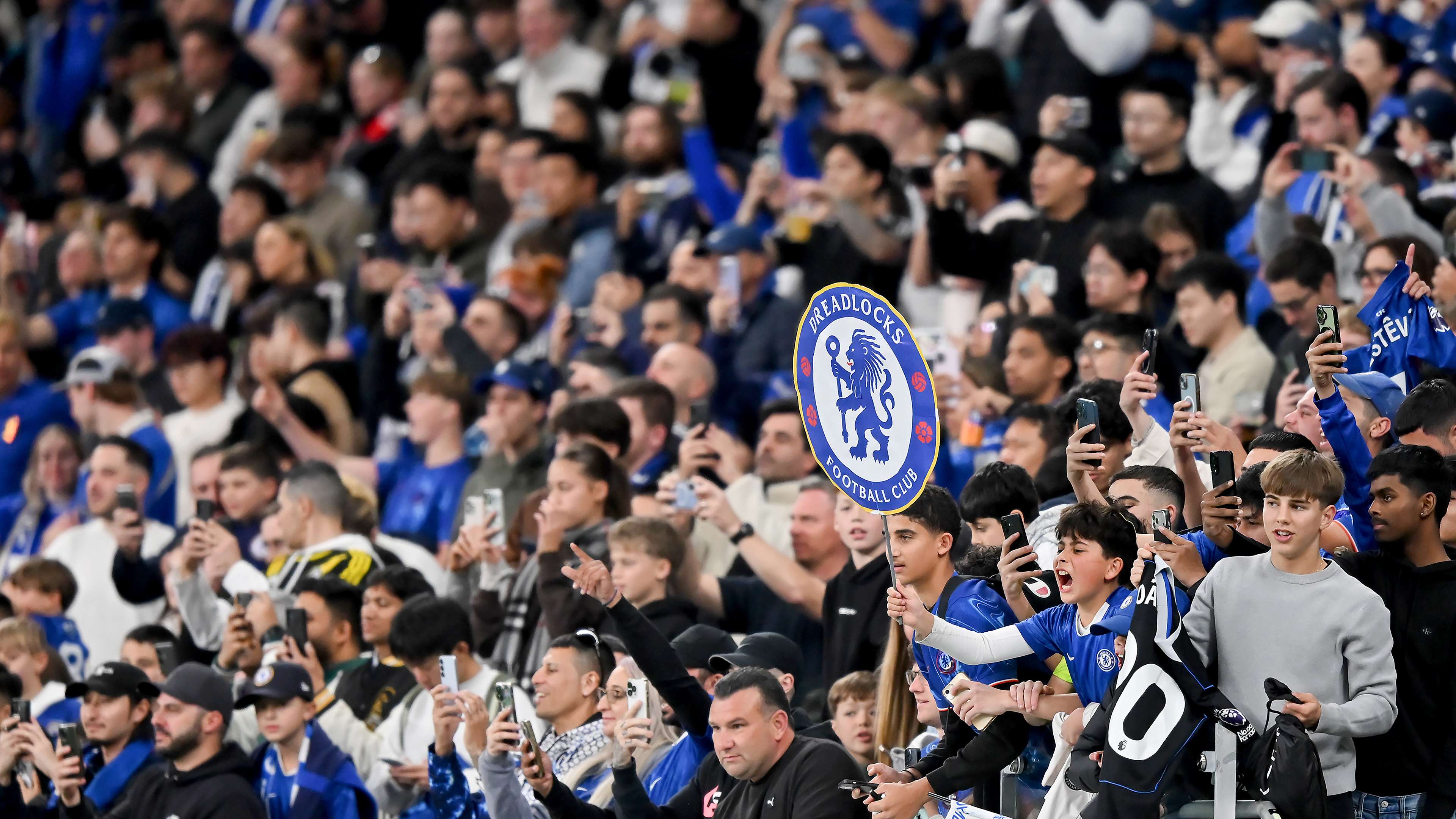
Chelsea supporters have reacted with shock after the club’s official sanctions policy showed that unauthorised ticket transfers and sexual misconduct attract the same punishment. Fans found guilty of either offence can be banned from Stamford Bridge for 12 months and lose their season card immediately.
Chelsea face criticism over disciplinary policy
Chelsea’s updated sanctions guidance for supporters has triggered debate by placing unauthorised ticket transfers and sexual misconduct in the same disciplinary category. Both offences are listed as carrying a 12-month ban and the loss of a season card, a decision that has drawn attention across the football community.
In guidance published on the club’s website, Chelsea have detailed the consequences attached to different offences, with punishments ranging from written warnings to lifetime bans. The club have made clear how they classify various acts, but the decision to treat a ticketing administrative breach on a par with serious behavioural misconduct has prompted questions about whether the punishment is proportionate.
Chelsea say every sanction will be considered on a case-by-case basis, and that punishments may be either harsher or more lenient than those set out in the main list. “The following sanctions-and-banning framework is intended to provide a guide on how the club handles behavioural and ticketing offences,” Chelsea said on their official website.
Clubs tighten control over ticket distribution
The development comes at a time when top-flight clubs across England are stepping up attempts to tackle the secondary ticket market. Many loyal supporters feel they are being pushed aside as clubs give priority to “football tourists” and overseas visitors, who are often prepared to pay inflated prices for a one-off matchday experience.
Chelsea are not the only club to come under scrutiny over the way these issues are being handled. Manchester United recently admitted they had made major errors in their own investigation into ticket touting, accepting that they had underestimated how often genuine supporters share login details with family members and loved ones.
Indefinite bans and weapon-related offences
Apart from the disputed 12-month category, Chelsea’s policy also sets out much tougher punishments for other criminal or dangerous conduct. Physically aggressive behaviour towards club staff and large-scale ticket fraud are the two main offences that lead to an indefinite ban from the club. In addition, supporters found in possession of an offensive weapon, or those who break an existing ban, face a three-year suspension.
The club’s official wording on the issue underlines that there is flexibility in the process, stating: “The following sanctions-and-banning framework is intended to provide a guide on how the club handles behavioural and ticketing offences.”
Chelsea also maintain that “all reports are reviewed on a case-by-case basis and all elements considered before applying an appropriate sanction which, depending on the circumstance, may be a lesser or greater sanction than is described.”
Lower-level offences and stadium regulations
For less serious breaches, the club generally begins with a written warning. This applies to supporters caught smoking or vaping inside the stadium, drinking alcohol within view of the pitch, or refusing to remain in their allocated seat because of persistent standing. However, refusing to follow direct instructions from a club steward or security officer is treated more seriously and carries a three-month ban.
Despite Chelsea’s stated aim of being transparent, the argument over whether these punishments are proportionate is unlikely to disappear soon. By placing administrative ticketing violations in the same bracket as serious personal misconduct, Chelsea risk distancing the very supporters they say they are trying to protect.
-
Petrol Bomb Attack At Sakib Al Hasan's Home Hours After Hasina's Press Conference
-
Hasina Vows December Return To Bangladesh Despite Jail, Execution Threat

-
Independence Day Blockbuster! Team India Eyes Twin Glory In Cricket & Hockey On August 15
-
Blue & Gold, Airborne: The Malaysia Airlines × Mumbai Indians Special livery Airplane Set To Arrive In Mumbai
-
Marsh Joins SEC, Sam Curran Returns With DSG as SA20 Season 5 Franchises Unveil Star-Studded Pre-Auction Squads