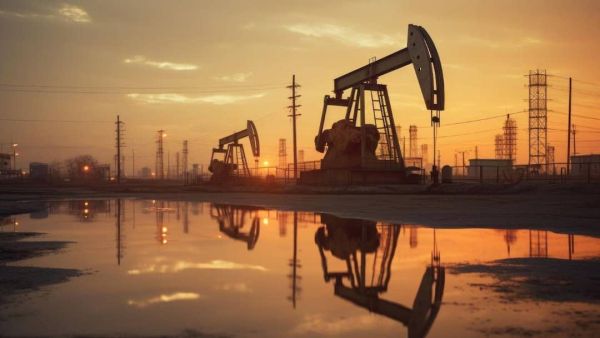
India, one of the world's largest crude oil importers, could see some relief on its energy bill after OPEC+ decided to raise oil production once again, potentially easing pressure on global crude prices.
The producer group has approved an increase of around 188,000 barrels per day (bpd) for September, completing the rollback of the voluntary production cuts it introduced in 2023. While the move does not immediately guarantee cheaper crude, analysts believe higher global supply could help keep prices in check if geopolitical tensions do not worsen, reported The Financial Express.
According to Reuters, the latest increase follows several months of gradual output hikes by OPEC+ members. However, previous production increases did not fully translate into higher global exports because of disruptions caused by the conflict in the Gulf as well as supply issues in Russia and Kazakhstan.
For India, where more than 85 per cent of crude oil requirements are met through imports, developments within OPEC+ are closely watched because they influence everything from fuel prices to inflation and the country's import bill.
Why The Decision Matters For India
A sustained increase in global crude supply could work in India's favour.
Lower or stable international oil prices generally reduce the country's crude import bill, easing pressure on the current account deficit and supporting the rupee. Softer crude prices also make it easier for oil marketing companies to maintain stable retail prices for petrol and diesel despite volatility in global energy markets.
For consumers, that could translate into relatively stable transport costs, while businesses dependent on fuel-intensive operations could benefit from lower input costs.
The latest production decision could also strengthen India's position as a major buyer in global crude markets. With additional supplies entering the market and no immediate indication of fresh production cuts, New Delhi may have greater flexibility while negotiating crude purchases, particularly as it continues sourcing discounted Russian oil.
OPEC+ Completes Rollback Of Voluntary Cuts
The September increase marks an important milestone for OPEC+.
According to Reuters, the latest decision completes the reversal of the group's voluntary production cuts amounting to 1.65 million barrels per day, announced in 2023.
The increase was approved by the core OPEC+ producers, including Saudi Arabia, Russia, Iraq, Kuwait, Algeria, Kazakhstan and Oman, which have taken the lead in the alliance's monthly production decisions since the United Arab Emirates exited OPEC in May.
Although production has been raised steadily over recent months, the actual volume reaching international markets has been lower than planned because of logistical and geopolitical disruptions affecting exports.
What Happens After September?
While the latest production increase completes one phase of OPEC+'s strategy, uncertainty remains over what comes next.
Notably, the producer group did not outline its plans for the fourth quarter in its latest statement.
Earlier indications from OPEC+ sources had suggested that production increases could pause after the voluntary cuts were fully restored.
Speaking to Reuters, Jorge Leon, an analyst at Rystad Energy, said a pause remains the most likely outcome.
"OPEC+ has finished unwinding its voluntary cuts. The next challenge is managing the surplus that could emerge as export flows normalise," Leon said.
He added that the alliance now has "little incentive to rush into further supply changes" as attention gradually shifts towards discussions on production quotas for 2027.
The seven core OPEC+ members are scheduled to meet again on September 6 to decide the next course of action.
Production Curbs Are Not Completely Over
Despite the latest increase, OPEC+ has not abandoned its broader supply management strategy.
The alliance continues to maintain a separate production cut of around 2 million barrels per day, introduced in 2022. That reduction is expected to remain in place for most member countries until the end of this year.
At the same time, OPEC+ is reviewing the production capacity of individual member nations, with the findings expected to shape new production baselines for 2027.
The process could trigger fresh negotiations within the group. Iraq, for instance, is seeking a larger production allocation, arguing that its production capacity has increased.
Geopolitical Risks Continue To Cloud The Outlook
While additional oil supply could ease pressure on global markets, geopolitical developments remain a significant source of uncertainty.
OPEC's Joint Ministerial Monitoring Committee (JMMC), which also met over the weekend, highlighted concerns over attacks on energy infrastructure linked to the ongoing US-Israeli conflict with Iran.
The committee warned that repairing damaged energy facilities can be both expensive and time-consuming, raising the possibility of future supply disruptions if tensions escalate further.
For India, the September production increase offers a potentially positive signal, but its ultimate impact will depend on whether higher output is sufficient to offset geopolitical risks and whether global crude flows continue without major disruptions in the months ahead.
-
iPhone 18 Pro Launch Event May Be Held On September 9; Apple To Announce Keynote On August 26: Report

-
JioTag 2 With Cross-Platform Android & iOS Support Launched In India, Priced At ₹1,249

-
'AI Overviews Hurting The Web Ecosystem': Reddit CEO Steve Huffman Hits Out At Google Over Search Traffic Decline

-
Sonam Wangchuk's Wife Gitanjali Angmo Says 'Bollywood Needs To Rediscover Its Role' As She Praises Christopher Nolan's The Odyssey
-
Another relationship angle emerges in suspended IPS trainee case