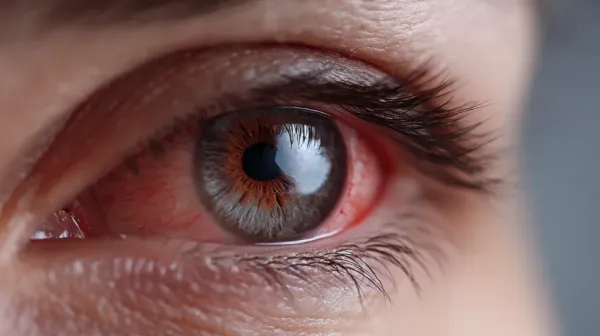
Lifestyle Desk – While the monsoon season brings relief from the heat, it also increases the risk of many seasonal illnesses. One of these is eye flu, medically known as conjunctivitis. It is an infectious eye condition that can be caused by viruses, bacteria, or allergies. The humidity and rapid spread of infections during the rainy season increase the incidence of this condition. This infection can be prevented by identifying its symptoms early and taking appropriate precautions.
What is eye flu?
Conjunctivitis is an inflammation or infection of the outer transparent membrane of the eye (conjunctiva). This disease can easily spread from person to person. Contact with an infected person, or sharing their towels, handkerchiefs, or other personal items, increases the risk of infection.
Main symptoms of eye flu
Conjunctivitis can cause a variety of eye symptoms. These include:
- Redness of the eyes.
- Continuous watering of the eyes.
- Burning, itching, or stinging sensation.
- Sticky or yellow discharge from the eyes.
- Sticking of eyelids on waking in the morning.
- Discomfort or pain in the eyes in bright light.
- Swelling and feeling of heaviness in the eyes.
If these symptoms appear in one or both eyes and persist for two-three days, then one should get examined by an eye specialist without delay.
How to prevent it?
It is very important to take some simple but necessary precautions to prevent eye flu.
- Wash hands frequently with soap and water.
- Avoid touching or rubbing the eyes with dirty hands.
- Do not share personal items like towels, handkerchiefs, pillows and eye makeup with anyone.
- Avoid close contact with an infected person.
- Clean your hands and face thoroughly after coming home from outside.
- If there is irritation or redness in the eyes, do not use any eye drops without consulting a doctor.
- If you get infected, it is better to avoid crowded places and going to school or office for a few days, so that the infection does not spread to others.
Do not neglect treatment
Most cases of eye flu clear up within a few days, but that doesn’t mean it should be ignored. If symptoms such as severe eye pain, blurred vision, increased swelling, or fever occur, you should immediately consult a doctor. Doctors will recommend medication or eye drops based on the cause of the infection. Using steroid-containing eye drops without medical advice can be harmful.