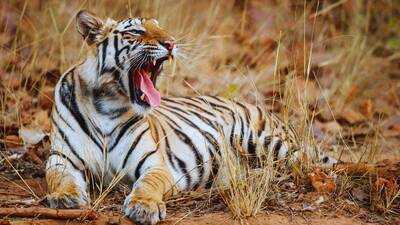
India ranks among the 17 megadiverse nations in the world despite covering just 2.4 percent of the world's land area. The country contains an unbelievable array of ecosystems, organisms, and landscapes that make up close to 8 percent of the world's documented biodiversity. From the snow-capped Himalayas to the tropical rainforests and coral reefs, India's biological wealth is unparalleled. Below are five of the main reasons that make the nation one of the most biodiverse places in the world.
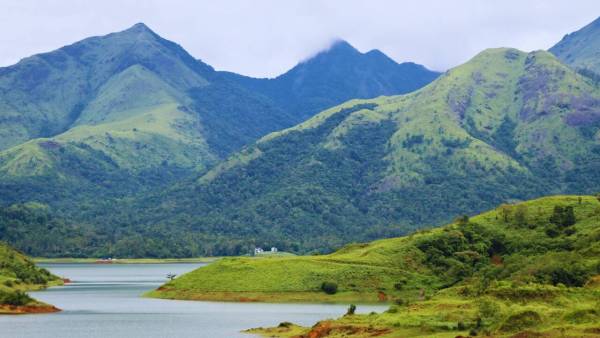
Diverse ecosystemsPerhaps one of the major reasons why India is a biodiverse place is because of the many different types of ecosystems present within its boundaries. India boasts of the great Himalayas, the Indo-Gangetic plains, the Thar Desert, the tropical rainforests in Western Ghats and northeastern parts of the country, mangroves like the Sundarbans, extensive grasslands, wetlands, coral reefs, and an over 7,500-kilometer coastline.
Four global biodiversity hotspots lie partly within IndiaIndia is unique in the fact that it is one of the few nations to be included in four biodiversity hotspots. These include the Himalayas, Western Ghats, Indo-Burma, and Sundaland (represented in India through Nicobar Islands). A biodiversity hotspot is a region that has a very high level of endemic species that are also under serious threat due to habitat destruction. The existence of these hotspots makes India important in a global sense regarding conservation and helps explain why scientists continue to find new species in the nation.
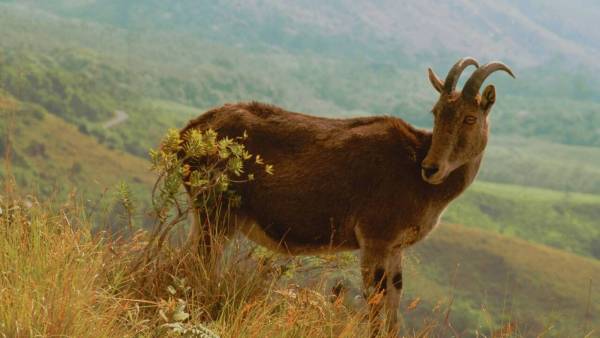
Thousands of endemic speciesIndia is unique in that there are a large number of endemic species present in the nation. The Western Ghats, for example, have hundreds of endemic amphibian, reptile, flowering plant, and fresh water fish species. Examples of endemic species include the Nilgiri tahr, lion-tailed macaque, purple frog, and Nicobar megapode.
Wide climatic and geographical diversityVery few nations have such varied climate zones existing within their boundaries. In India, there are snow-clad peaks all-year round, temperate forests, humid tropics, dry deciduous forests, deserts with rainfall below 100 mm, and Northeastern parts with some of the highest rainfall recorded in the world. In India, one finds alpine flowers and coniferous forests, as well as tropical orchids, mangroves, and coral reef habitats.
Extensive wildlife sustained by conservation systemsThere is rich wildlife in India , ranging from the largest tiger population to elephant herds, Asiatic lions only found in Gir National Park, one-horned rhinos, snow leopards, gharials, and numerous types of birds. There is biodiversity protection in India through the vast conservation systems which include national parks, wildlife sanctuaries, conservation reserves, community reserves, biosphere reserves, tiger reserves, elephant reserves, and marine protected areas. Programs like Project Tiger and habitat protection programs have protected many species and habitats.
-
Vaibhav Sooryavanshi's start in international cricket ‘was made tough’: ‘You told him you serve water first’

-
Taurus Horoscope Today, August 5, 2026: Avoid delays in transactions, maintain control over budget

-
Aquarius Horoscope Today, August 5, 2026

-
Aries Horoscope Today, August 5, 2026: Will Focus on Financial Interests, Emphasis on Savings

-
I followed Alan Titchmarsh’s herb-growing advice—my plant is thriving