What is a damaged skin barrier? Warning signs, common causes and how to repair it
ETimes | July 31, 2026 10:39 PM CST
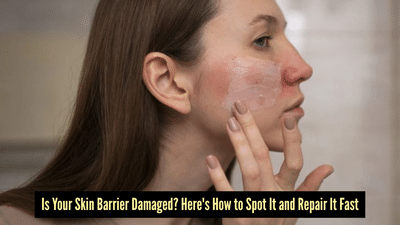
People tend to think of the skin barrier only in terms of dryness, but it does a lot more than that. It's the skin's first line of defence, holding onto moisture, keeping irritants out and maintaining overall balance. Ceramides, cholesterol and fatty acids all play a part in supporting this protective structure. When it's disrupted, skin can feel tight, rough, itchy or reactive. Redness, flaking, excess oiliness and recurring breakouts are also common signs that something's off.
Malini Adapureddy, Founder & CEO of Deconstruct, says barrier care should start with understanding what the skin actually needs, rather than reaching for more products right away. That doesn't mean active ingredients should be avoided. It just means they need to be chosen carefully and used at the right strength. A well-balanced formulation that delivers results without constantly irritating the skin usually works better than one built around the highest possible concentration.

Recognise the Signs
Barrier damage doesn't look the same on every skin type. Dry skin might feel rough and flaky, while dehydrated skin can feel tight even though it looks oily. Sensitive skin may sting, burn or flush after contact with fragrance, strong acids, harsh cleansers or scrubs. Humidity, sweat, frequent washing and long hours under air-conditioning tend to make all of this worse.
Understand Your Skin Type
Acne-prone skin is often over-cleansed in an attempt to control oil, and some acne treatments end up making the skin drier and more sensitive in the process. Eczema is closely tied to a weakened barrier, and rosacea-prone skin can react badly to fragrance, toners and frequent exfoliation. Figuring out whether the skin is lacking oil, water or tolerance can go a long way in preventing a routine from doing more harm than good.
Move Beyond Common Myths
Oily skin can still be dehydrated, and moisturiser doesn't necessarily make acne worse. In fact, lightweight, non-comedogenic acne-control moisturisers can help with hydration, manage excess oil and improve how well skin tolerates acne treatments. Stinging or burning also isn't proof that a product is "working." More often than not, ongoing discomfort just means irritation.
Look Beyond Active Percentages
A higher percentage doesn't automatically mean better results. Stability, the supporting ingredients and the overall formulation all affect how well an active actually performs. A gentle niacinamide formulation, for instance, can support the barrier, help regulate oil and improve how pores look, but it won't shrink them for good or transform the skin overnight. A formula you can actually stick with tends to matter more than one built around a bold claim.
Simplify When Skin Reacts
If skin starts to sting, peel or feel uncomfortable, it often helps to strip the routine back to a gentle cleanser, lukewarm water and a fragrance-free moisturiser. Strong acids, scrubs and retinoids may need a break until things settle down. It's also best to avoid introducing several new actives at once, since it becomes hard to tell what's actually causing the reaction.
Balance Barrier Care and Actives
Supporting the barrier doesn't mean giving up on actives altogether. Ceramides help replenish essential lipids, while niacinamide and panthenol can support hydration, comfort and resilience. Targeted actives can still address specific concerns as long as they're used at the right strength and frequency. It really comes down to balancing efficacy with tolerance.

Protect the Skin Daily
Broad-spectrum sunscreen is still non-negotiable, since repeated UV exposure adds to inflammation and puts more stress on already vulnerable skin. If there's persistent burning, cracking, bleeding, severe itching or inflammation that keeps coming back, that's a sign to see a dermatologist rather than keep experimenting with products.
Caring for the skin barrier isn't about chasing another trend. It's about paying attention to what the skin is telling you, choosing formulations with some thought behind them, and building a routine the skin can actually keep up with over time.
Malini Adapureddy, Founder & CEO of Deconstruct, says barrier care should start with understanding what the skin actually needs, rather than reaching for more products right away. That doesn't mean active ingredients should be avoided. It just means they need to be chosen carefully and used at the right strength. A well-balanced formulation that delivers results without constantly irritating the skin usually works better than one built around the highest possible concentration.
Recognise the Signs
Barrier damage doesn't look the same on every skin type. Dry skin might feel rough and flaky, while dehydrated skin can feel tight even though it looks oily. Sensitive skin may sting, burn or flush after contact with fragrance, strong acids, harsh cleansers or scrubs. Humidity, sweat, frequent washing and long hours under air-conditioning tend to make all of this worse.
Understand Your Skin Type
Acne-prone skin is often over-cleansed in an attempt to control oil, and some acne treatments end up making the skin drier and more sensitive in the process. Eczema is closely tied to a weakened barrier, and rosacea-prone skin can react badly to fragrance, toners and frequent exfoliation. Figuring out whether the skin is lacking oil, water or tolerance can go a long way in preventing a routine from doing more harm than good.
Move Beyond Common Myths
Oily skin can still be dehydrated, and moisturiser doesn't necessarily make acne worse. In fact, lightweight, non-comedogenic acne-control moisturisers can help with hydration, manage excess oil and improve how well skin tolerates acne treatments. Stinging or burning also isn't proof that a product is "working." More often than not, ongoing discomfort just means irritation.
Look Beyond Active Percentages
A higher percentage doesn't automatically mean better results. Stability, the supporting ingredients and the overall formulation all affect how well an active actually performs. A gentle niacinamide formulation, for instance, can support the barrier, help regulate oil and improve how pores look, but it won't shrink them for good or transform the skin overnight. A formula you can actually stick with tends to matter more than one built around a bold claim.
Simplify When Skin Reacts
If skin starts to sting, peel or feel uncomfortable, it often helps to strip the routine back to a gentle cleanser, lukewarm water and a fragrance-free moisturiser. Strong acids, scrubs and retinoids may need a break until things settle down. It's also best to avoid introducing several new actives at once, since it becomes hard to tell what's actually causing the reaction.
Balance Barrier Care and Actives
Supporting the barrier doesn't mean giving up on actives altogether. Ceramides help replenish essential lipids, while niacinamide and panthenol can support hydration, comfort and resilience. Targeted actives can still address specific concerns as long as they're used at the right strength and frequency. It really comes down to balancing efficacy with tolerance.
Protect the Skin Daily
Broad-spectrum sunscreen is still non-negotiable, since repeated UV exposure adds to inflammation and puts more stress on already vulnerable skin. If there's persistent burning, cracking, bleeding, severe itching or inflammation that keeps coming back, that's a sign to see a dermatologist rather than keep experimenting with products.
Caring for the skin barrier isn't about chasing another trend. It's about paying attention to what the skin is telling you, choosing formulations with some thought behind them, and building a routine the skin can actually keep up with over time.
READ NEXT
-
Visa Acquires BioCatch For $2.4B – President Andrew Torre Says It Will Help Clients Stop Fraud Before It Reaches The Point Of Payment

-
Arijit Singh & Shreya Ghoshal’s Top 20 Love Songs | Ultimate Monsoon Special Playlist

-
Ahead Of iPhone 18 Pro Launch, iPhone 17 Pro To Get Up To Rs 17,000 Discount On Flipkart; Deal Price Revealed

-
Eli Lilly’s Olomorasib Secures Second FDA Breakthrough Designation For Cancer Therapy – Retail Expects LLY Stock To Hit Record High Soon

-
‘Things I’d Do in India’: Polish Woman’s Viral Post Perfectly Captures Everyday Indian Life