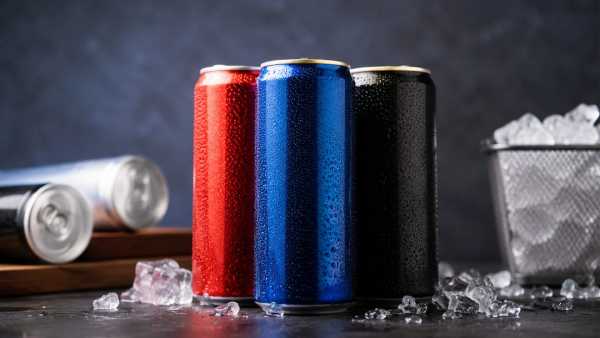
Amid growing consumption of energy drinks and other caffeinated beverages, authorities have stepped up surveillance and enforcement measures to ensure food safety. In a parliamentary reply, the government said the Food Safety and Standards Authority of India (FSSAI) is carrying out regular inspections, enforcing labelling requirements and running campaigns to prevent adulteration. The data, however, highlights the scale of food safety violations reported during the year. According to the government, 223,808 food samples were tested across India during 2025-26. Of these, 40,023 were found to be non-compliant or substandard. Authorities imposed 31,878 civil penalties in these cases, while 1,918 criminal convictions were secured.
Strict Action Against The 'Health Drink' Label
The government has also tightened action against products being marketed under the term 'health drink'. FSSAI has clarified that 'Health Drink' is not a legally recognised food category. E-commerce platforms have consequently been directed to ensure such products are not listed under an incorrect category and are placed under the appropriate food category instead. This move is aimed at preventing consumers from being misled by health-related claims or product classifications that do not have a defined legal basis.
Caffeine Limits And Mandatory Warnings
Caffeine content in caffeinated beverages is also regulated. According to the government's response, such beverages can contain between 145 and 300 milligrams of caffeine per litre. Products are also required to carry a warning advising consumers against consuming more than 500 millilitres per day. The government said FSSAI is also running the #NoToAdulteration campaign to strengthen awareness and curb food adulteration. Initiatives such as Food Safety on Wheels, RAPID test kits, DART booklets and mobile food-testing laboratories are being used to identify adulteration and educate consumers about food safety.
What Did The Government Say About Cancer And Heart Disease?
Parliament also sought clarification on whether adulterated energy drinks and excessive caffeine consumption could be contributing to increasing cases of cancer, stroke and heart disease. The government's response did not establish a direct scientific link between these health conditions and adulterated energy drinks or high caffeine levels. Instead, it outlined the existing food safety standards, regulatory measures, inspections and enforcement action being undertaken by FSSAI. The data presented in Parliament therefore highlights the government's enforcement efforts while also underscoring the importance of checking product labels, following consumption warnings and avoiding products marketed under misleading or unauthorised categories.
Disclaimer: The information provided in the article is shared by experts and is intended for general informational purposes only. It is not a substitute for professional medical advice, diagnosis, or treatment. Always seek the advice of your physician or other qualified healthcare provider with any questions you may have regarding a medical condition
-
FIH Hockey World Cup 2026: India's Forward Trio Banks On Teamwork, Chemistry & Precision To Fuel Title Charge

-
Sanctions Shift Focus To The Transnational Terror “Control Rooms”

-
Sandro Tonali says he wanted ‘the best deal’ for Newcastle as midfielder explains why Tottenham move suited his career and happiness

-
Did Jacob Batalon confirm marriage with GF Veronica Leahov? Deets inside

-
Raashii Khanna gushes about receiving special gift from Rajinikanth