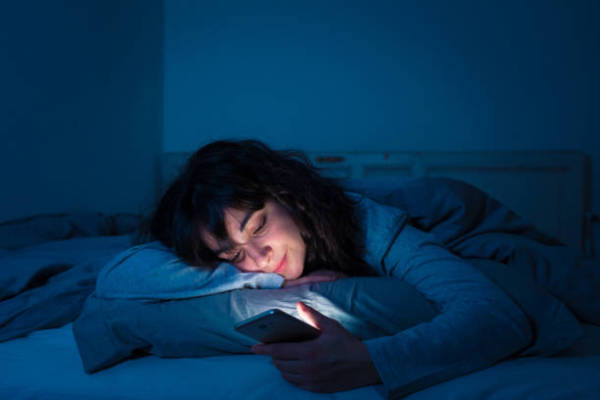
Rheachanging for your phone as soon as you wake up has become a daily ritual for millions. Experts say the behavior is driven not only by habit but also by the brain’s need for certainty, curiosity and preparing for the day ahead.
By Vidhi Lalla
Pune:For many people, the day begins even before they get out of bed. The alarm goes off, the phone is silenced, and within seconds they are checking WhatsApp, emails, social media, weather updates or the day’s calendar.
While this behavior is often blamed on smartphone addiction, psychologists say the explanation is more complex.
According to behavioral experts, checking your phone immediately after waking up is influenced by habit, curiosity and the brain’s natural desire to reconnect with the outside world after several hours of sleep.
Your brain wants to know what changed overnight
While you were asleep, life continued.
Messages may have arrived, work emails may have been sent, news may have broken, appointments could have changed and family members or friends might have contacted you.
Psychologists say the brain naturally tries to reduce this uncertainty. Looking at the phone provides quick answers and helps people feel mentally prepared for the day.
This tendency becomes even stronger before important events such as job interviews, examinations or travel, when people expect updates or last-minute changes.
The habit becomes automatic
Experts say the morning phone check is also explained by the cue-routine-reward cycle, a well-known concept in behavioral psychology.
The cue is waking up.
The routine is picking up the phone.
The rewards is discovering something new—whether it is a message, news update, weather forecast or simply confirmation that nothing urgent has happened.
Repeating this sequence every morning gradually turns it into an automatic habit that requires very little conscious thought.
Why notifications feel rewarding
Interestingly, the brain doesn’t receive exciting news every morning.
Sometimes there is an important message.
Sometimes there isn’t.
Behavioral psychologists explain that this uncertainty actually strengthens the habit. Because the reward is unpredictable, the brain keeps expecting that something interesting might appear the next time the phone is checked.
The same psychological principle is known to reinforce many everyday habits, including repeatedly checking email or refreshing social media feeds.
It also helps people feel oriented
Experts say the first glance at the phone is not always about entertainment.
For many people, it serves as a quick orientation exercise.
Common questions include:
- What time is it?
- What’s today’s weather forecast?
- Do I have any meetings?
- Has anyone called?
- Is there any urgent message?
Gathering this information helps the brain organize the day ahead and regain a sense of control after waking up.
When does the habit become a problem?
Psychologists emphasize that checking your phone briefly in the morning is not necessarily harmful.
The concern begins when a quick check turns into long periods of scrolling through social media, videos or other content before starting the day’s routine.
Spending 30 to 60 minutes on the phone immediately after waking up can affect concentration, delay morning tasks and reduce productivity. For some people, exposure to stressful news or work emails first thing in the morning may also increase anxiety.
Simple ways to reduce excessive morning screen time
Experts recommend a few practical strategies if morning phone use is becoming excessive:
- Avoid opening social media immediately after waking up.
- Keep notifications limited to essential apps.
- Complete basic morning activities such as drinking water, stretching or freshening up before prolonged phone use.
- Use a traditional alarm clock if checking the phone immediately after silencing the alarm has become a habit.
- Set a fixed time limit for morning screen use.
Psychologists say the instinct to reach for your phone after waking up does not automatically mean you are addicted. In many cases, it reflects the brain’s preference for routine, certainty and staying informed. However, being mindful of how long you remain on the device can help maintain better focus and productivity throughout the day.
Disclaimer: This article is based on psychological concepts and expert explanations published in media reports. Individual habits and their effects may vary. If excessive smartphone use is affecting your mental health, work or daily functioning, consider seeking guidance from a qualified mental health professional.
-
Arsenal’s Vinicius Junior chase looks like a transfer fantasy - but are Real Madrid pushing the Brazil star towards the exit with a €120m Yan Diomande move?

-
CWG 2026: Neeraj Chopra, Rohit Yadav & Yash Vir Singh Book Places In Men's Javelin Throw Final

-
Ajinkya Rahane Retires From International Cricket; Pujara, Sehwag Lead Tributes For India Batter

-
'RSS People Are Heading Educational Institutions': Congress President Kharge Slams Centre During Anti-Paper Leak Bill Debate in Rajya Sabha

-
'Bhakti Hai Ya Photoshoot?': Bhumi Pednekkar TROLLED For Wearing Sunglasses Inside Shiv Temple During Sawan Puja