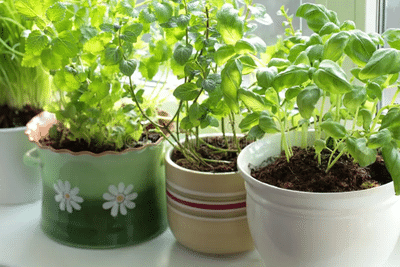
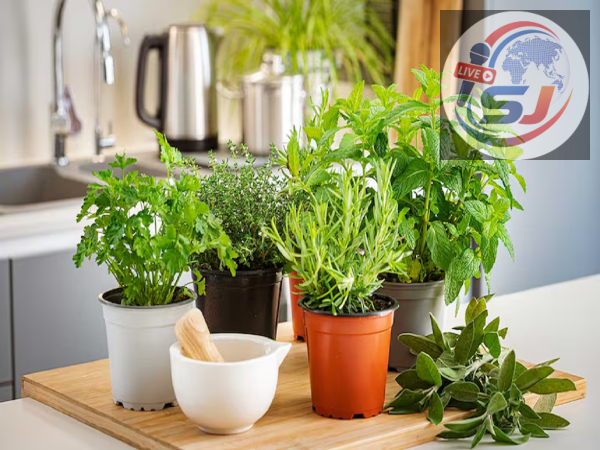
Add natural greenery to your living space with these fragrant indoor plants that may discourage mosquitoes and freshen the air
Indoor Plants for Monsoon: The rainy season brings welcome relief from the heat, but it also creates ideal conditions for mosquitoes to breed. As humidity rises, so does the risk of mosquito-borne illnesses, prompting many people to rely on chemical repellents. However, certain indoor plants are believed to naturally discourage mosquitoes because of the aromatic compounds found in their leaves and stems.
While these plants may help reduce mosquito activity, they should not be considered a replacement for proven mosquito-control measures such as window screens, eliminating stagnant water, and using approved repellents when necessary. Besides their potential insect-repelling properties, these plants also add greenery, improve indoor aesthetics, and create a refreshing atmosphere.
Here are five popular indoor plants worth considering this monsoon.
1. Rosemary: A Fragrant Herb With Multiple BenefitsRosemary is a well-known aromatic herb that features a woody, refreshing fragrance. Its strong scent is believed to make the surrounding environment less attractive to mosquitoes.
Apart from its pleasant aroma, rosemary is widely appreciated for its ornamental appeal and culinary uses. It grows well in pots placed near sunny windows, balconies, or well-lit indoor spaces with good air circulation.
Why homeowners like it:-
Pleasant herbal fragrance
-
Attractive evergreen foliage
-
Easy to grow in containers
-
May help discourage mosquitoes naturally
Catnip contains a naturally occurring compound called nepetalactone, which has been studied for its insect-repelling properties. Although many people know catnip as a favorite of cats, it is also recognized for its potential to deter mosquitoes.
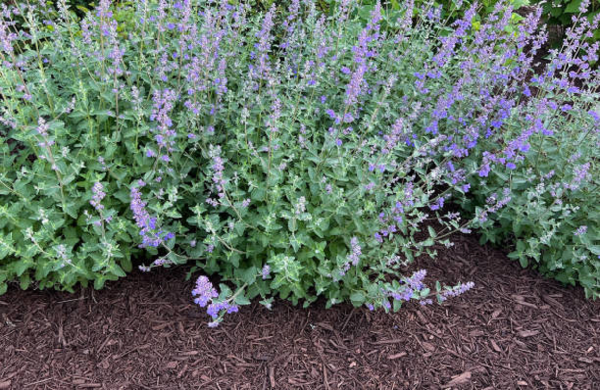
This low-maintenance herb grows well in pots and can be kept indoors where it receives sufficient sunlight.
Key highlights:-
Contains natural aromatic compounds
-
Simple to maintain
-
Suitable for indoor and balcony gardens
-
May help reduce mosquito presence
Lavender is admired around the world for its beautiful purple flowers and soothing floral fragrance. While many people enjoy its calming scent, mosquitoes are believed to be less attracted to its aromatic oils.
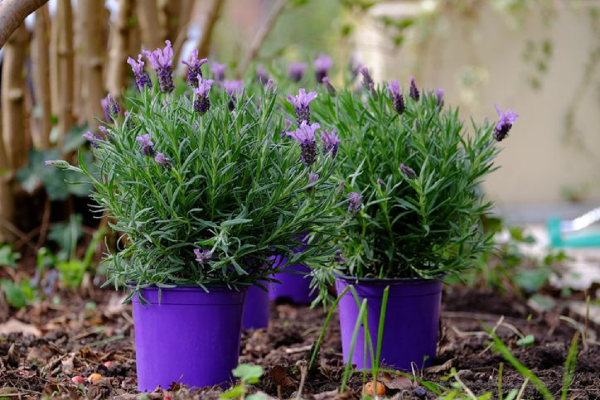
In addition to its decorative value, lavender can create a relaxing atmosphere inside the home. It performs best in bright areas with good sunlight and well-drained soil.
Benefits include:-
Elegant purple blooms
-
Pleasant natural fragrance
-
Decorative indoor plant
-
May help discourage mosquitoes
Lemon balm is another excellent choice for indoor gardening. Its leaves release a fresh lemon-like fragrance due to natural compounds such as citronellal, which are often associated with insect-repelling properties.
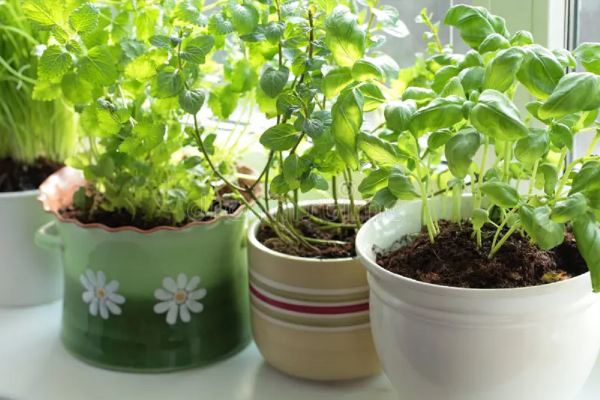
The plant is compact, easy to maintain, and adds a refreshing touch to kitchens, balconies, or living rooms.
Why it's popular:-
Fresh citrus fragrance
-
Easy container plant
-
Attractive green foliage
-
May naturally reduce mosquito activity
Lemongrass is one of the most widely recommended plants for households looking for natural mosquito deterrents. It contains citronella, a natural compound commonly used in many mosquito-repellent products.
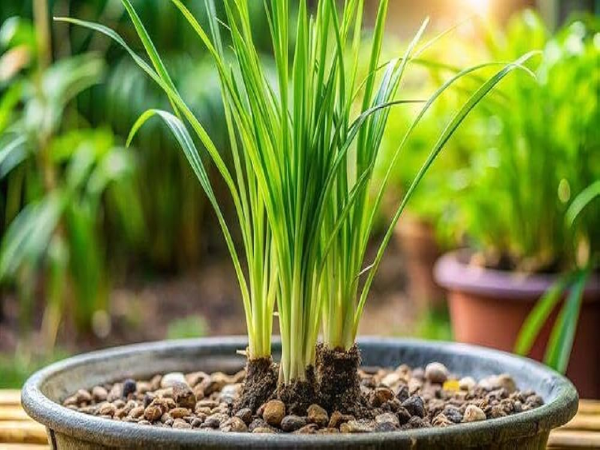
Its tall, green leaves give homes a fresh tropical appearance, making it both a decorative and practical addition to indoor or semi-outdoor spaces.
Advantages:-
Rich in naturally occurring citronella
-
Refreshing lemon scent
-
Attractive ornamental plant
-
Suitable for balconies, patios, and sunny indoor corners
To keep your indoor plants healthy throughout the rainy season:
-
Place them where they receive adequate natural light.
-
Avoid overwatering, as excessive moisture can damage roots.
-
Ensure pots have proper drainage holes.
-
Remove standing water from trays beneath pots to prevent mosquito breeding.
-
Trim dry or damaged leaves regularly to encourage healthy growth.
Although aromatic plants like rosemary, lavender, lemongrass, catnip, and lemon balm are often associated with mosquito-repelling properties, scientific evidence suggests they should be viewed as supportive measures rather than complete solutions.
For effective protection during the monsoon, combine these plants with other preventive steps such as:
-
Preventing stagnant water around the house
-
Installing window screens or mosquito nets
-
Keeping living spaces clean and dry
-
Using approved mosquito repellents when needed
Adding fragrant indoor plants to your home can provide multiple benefits beyond decoration. They create a greener living environment, add natural fragrance, and may contribute to reducing mosquito activity. While they are not a substitute for standard mosquito-control methods, these plants can be a valuable part of a broader strategy for maintaining a healthier and more pleasant home during the rainy season.
Disclaimer: The mosquito-repelling properties of these plants are based on naturally occurring aromatic compounds and available research. Their effectiveness may vary depending on plant size, environmental conditions, and mosquito species. They should not be relied upon as the sole method of preventing mosquito bites or mosquito-borne diseases.
-
Uefa weighing next steps over Infantino’s Fifa presidency after World Cup investment proposal is dropped

-
A luxurious home will look affordable, just avoid these interior mistakes.
-
Makeup won’t smudge even in the rain, just follow these monsoon beauty tips

-
After seven rounds in the morning, the relationship ended in the evening. What happened that the bride refused to go to her in-laws’ house?

-
Healthy Food for Kids in the Rain