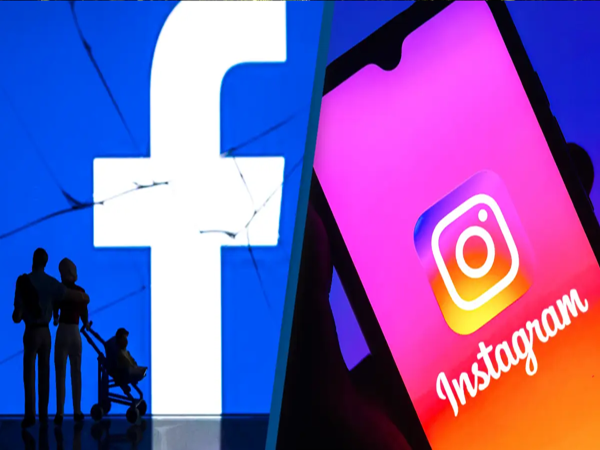
Social media platforms played a pivotal role in shaping public sentiment against the government during the 'Cockroach Janata Party' movement. Whether it was fueling domestic dissent or amplifying cross-border support for the movement, platforms like Facebook and Instagram were deeply involved. Consequently, the government has now turned a critical eye toward these platforms and their parent companies. While Instagram has formally apologized for its actions, observers note that the government appears in no mood to be lenient this time. This raises the question: what powers does the government possess under Indian law to rein in the arbitrary conduct of these companies?
Although the government cannot arbitrarily shut down a social media platform outright, India's laws regarding information and broadcasting grant it significant powers to tighten its grip on these companies. The government holds various regulatory powers and legal provisions to act against Meta—the parent company of platforms like Facebook, Instagram, Threads, and WhatsApp. By invoking these laws, the government can curtail the companies' operations and even impose financial penalties. Let us examine the specific legal sections under which such measures can be taken.
What Indian IT Law Says
Under Section 69A of India's Information Technology (IT) Act, 2000, the government can issue orders to block specific posts, videos, accounts, or even the entire content of a platform. Strict action can be taken if the content poses a threat to the country's unity, integrity, or security, or causes public disorder. The government can also intervene if the content incites people to commit crimes or displays anti-national sentiments. Furthermore, under the IT Rules of 2021, the government has the authority to mandate the appointment of compliance officers within the country for such companies.
**Avenues for Direct Action**
Section 79 of the IT Act empowers the government to take direct action against such platforms. If a platform fails to comply with the law, it loses its 'safe harbour' protection, thereby opening the way for the government to take direct action. Furthermore, under Section 69A of the IT Act and the Blocking Rules, 2009, the government can order the blocking of an entire platform. Additionally, specific posts, URLs, pages, groups, or accounts can be blocked or restricted under these same rules.
**Action Possible in These Cases As Well**
Action can also be taken against social media platforms if they fail to resolve grievances in a timely manner or do not coordinate effectively with Indian authorities. The government can investigate matters related to terrorism, cybercrime, child sexual abuse material, financial fraud, or other serious offenses. Moreover, in the event of data protection law violations, the government can issue notices to these companies and take measures such as demanding the removal of illegal content or seeking clarifications. If the matter proves to be serious, the government can even restrict access to the entire platform.
Disclaimer: This content has been sourced and edited from Amar Ujala. While we have made modifications for clarity and presentation, the original content belongs to its respective authors and website. We do not claim ownership of the content.
-
Monday’s fast is not just a matter of faith, it is also a scientific formula for health.

-
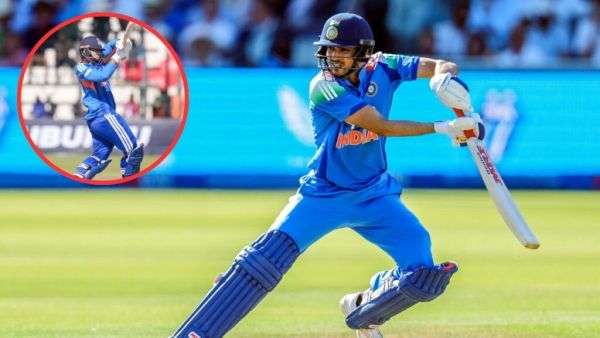
ICC Rankings: Gill again becomes the world’s number-1 ODI batsman, leaving Darryl Mitchell behind; 15 year old Vaibhav also created a stir
-
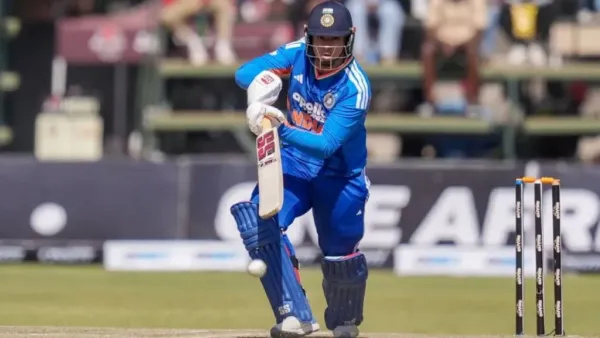
Vaibhav Suryavanshi shines in ICC rankings, jumps 230 places, enters top 50 batsmen
-
In MP’s Shajapur, bearded wife turned out to be a eunuch, made the excuse of periods on the wedding night; Then after 25 days of marriage the secret was revealed like this

-
From Nehru to Modi: 40 decisions in 75 years, when central governments had to change their stand under pressure from the public, movements and courts.