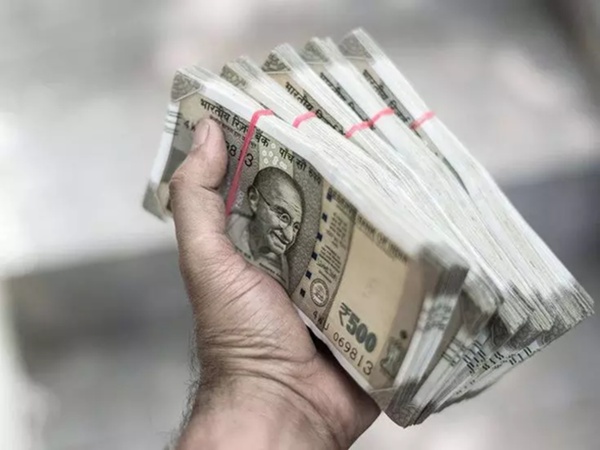
Do you constantly worry about your daughter's wedding? Even if she is still young, do the potential expenses worry you, prompting you to look for a safe investment option that offers good returns? If so, this information is for you.
Whether it is for their children's weddings or education, parents are always concerned about their children's future. While many turn to the stock market for savings, others prefer safer options like Fixed Deposits (FDs). However, those opting for FDs often wonder: is it better to create a single large FD or several smaller ones? Let us explain the calculations to help you decide which is more beneficial—a single ₹10 lakh FD or ten separate FDs of ₹1 lakh each.
What is an FD?
FD stands for Fixed Deposit. It involves locking your money in an account with a bank or a post office for a specific period. You earn a fixed rate of interest on the locked amount, and upon maturity, you receive the entire sum back, including the interest. Although FDs may offer lower interest rates compared to the stock market, they are considered a much safer investment.
Benefits of a single ₹10 lakh FD:
If you deposit ₹10 lakh in a lump sum for 10 years at an annual interest rate of 7%, you will receive approximately ₹19.67 lakh upon maturity. The advantage here is simplicity: you only need to manage one bank account, keep track of a single maturity date, and handle minimal paperwork.
However, if you suddenly need funds before the maturity date, you would have to break the entire ₹10 lakh FD. The bank would impose a penalty for premature withdrawal, resulting in a loss of interest earnings. However, if the bank fails, DICGC rules dictate that you will receive insurance coverage of only up to ₹5 lakh.
Benefits of having ten separate FDs of ₹1 lakh each:
Even with smaller FDs, you can earn an average interest rate of 7%. Crucially, smaller FDs prevent financial distress during emergencies; instead of breaking a large FD, you can simply liquidate one or two smaller ones, thereby minimizing the loss of interest income. Furthermore, placing these FDs in different banks allows you to benefit from varying interest rates, and each FD remains insured under DICGC regulations.
To illustrate with a calculation: if you deposit ₹1 lakh in a bank at a 7% interest rate, it grows to ₹2,00,160 after 10 years. Across ten such FDs, the total value would exceed ₹20 lakh. In essence, opting for multiple smaller FDs can yield slightly better overall benefits.
Which approach is right for you?
A single FD is ideal for those who wish to avoid the hassle of frequent renewals and are confident they will not need the funds before maturity. Conversely, multiple FDs are a suitable option for those who value flexibility in their savings, want to maintain an emergency fund, and prefer a safer investment strategy.
Disclaimer: This content has been sourced and edited from Dainik Jagran. While we have made modifications for clarity and presentation, the original content belongs to its respective authors and website. We do not claim ownership of the content.
-
CWG 2026 Medal Tally: India Jump To 8th After Mirabai Chanu Seals Gold, Rishikanta, Raja Secure Silver

-
Education System In India Needs Urgent National Consensus

-
NEET PG 2026 Correction Window Closes Tomorrow July 28 At natboard.edu.in; Check Editable And Non-Editable Details

-
The India Story Box Office Collection Day 3: Kajal Aggarwal & Shreyas Talpade's Film Faces Tough Run, Collects ₹73 Lakh

-
Tera Yaar Hoon Main Box Office Collection Day 3: Aman Indra Kumar & Akanksha Sharma's Film Struggles, Earns ₹17 Lakh