As temperatures rise, it’s important to note how to properly hydrate to avoid risks of heatstroke, heat exhaustion and severe dehydration.
Reviewed by Dietitian Jessica Ball, M.S., RD
Key Points
- Heatstroke is a serious, life-threatening—but preventable—heat- illness.
- Staying well-hydrated can help prevent heat exhaustion from developing into heatstroke.
- Consuming water, hydrating produce and electrolyte drinks may help prevent heatstroke.
When the temperatures outside start rising, it’s important to know and recognize the signs and symptoms of heat- illnesses, including heatstroke and heat exhaustion. It’s also vital to be aware of how to prevent them and what the difference is between the conditions so they can be properly treated. This is especially true of heatstroke, as it can quickly become an emergent—and life-threatening—situation.
The good news is that heatstroke can be prevented, partly by staying well-hydrated. Let’s dive into what heatstroke is, how to prevent it and ways to treat it.
What Is Heatstroke?
Heatstroke occurs when your body cannot properly cool itself due to prolonged exposure to extreme heat. When your body does not produce enough sweat to cool you down, it causes your internal temperature to rise, which comes with many risks.
Common symptoms of heatstroke include:
- High body temperature
- Altered mental state (confusion, agitation, slurred speech and seizures)
- Hot, dry skin that may be flushed, but not sweaty
- Nausea and vomiting
- Rapid heart rate and rapid breathing
- Loss of consciousness
Heatstroke requires immediate medical attention and often, intravenous fluids to compensate for the loss of fluid and electrolytes.
It’s imperative that emergency services are called as soon as possible. While waiting for their arrival, here are some vital steps to take if you or someone else is experiencing signs of heatstroke:
- Lie down in a cool, shaded area with feet slightly elevated if possible
- Remove all unnecessary clothing and shoes or loosen clothing and apply cool, wet cloths to the body or wet clothing with cold water
- Apply ice packs to the head, neck, groin and armpit areas
- Slowly sip cool water or electrolyte drinks if fully alert, keeping in mind that excessively cold beverages can cause stomach cramping; do not give anyone fluids who is confused, vomiting, having difficulty swallowing or is in an altered state
Can Hydration Prevent Heatstroke?
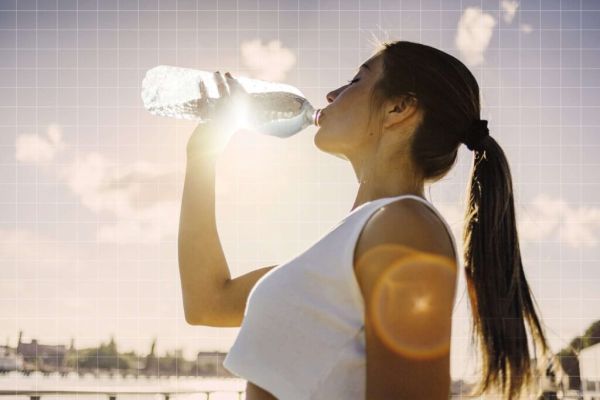
Hydrating, by drinking plenty of water or electrolyte-packed sports drinks, is the easiest and most important way to help prevent heatstroke. It is recommended that you drink at least 1 cup of water every 20 minutes to help to keep you properly hydrated while you’re outside working, recreating or sunbathing in higher temps.
Water is also helpful externally. Spraying or sponging cool water on your body can help to keep your internal body temperature in a safe zone, though it can’t take the place of drinking water and staying hydrated.
Dehydration has its own set of warning signs, including thirst, dark urine, decreased urine output, headache, dizziness, and trouble concentrating. By paying attention to your body and how you’re feeling, and making sure you’re regularly hydrating, you could help prevent what starts off as simply being dehydrated from becoming a life-threatening emergency.
What is also important to note is the difference between prevention and cure. Hydration can absolutely help prevent heatstroke, but heatstroke is an illness that requires immediate medical attention that water alone often cannot cure. It’s important to take quick action to prevent heatstroke from developing into an increasingly life-threatening medical emergency.
The Difference Between Heat Stroke and Heat Exhaustion
Heat exhaustion typically occurs before heatstroke, so knowing the warning signs of heat exhaustion can help prevent it from developing into heatstroke and becoming an emergency.
Heat exhaustion and heatstroke both cause nausea and vomiting, but heat exhaustion often shows its first signs in the form of excessive sweating, increased thirst, decreased urination, headaches, dizziness, irritability and fainting.
If you feel you may be experiencing heat exhaustion, move to a cooler place, take frequent, small sips of water, loosen your clothing to allow air flow and apply cool, wet cloths or ice packs to your body or take a cool bath. If you don’t feel better an hour after treating your symptoms of heat exhaustion, you may be developing heatstroke and will need immediate medical attention.
Our Expert Take
During the warmer months, it’s important to be aware of the signs and symptoms of heatstroke and heat exhaustion, both of which may be fended off by being well-hydrated. When working or playing out in the heat, water alone may not be enough, especially if you’re sweating. In this case, consider an electrolyte drink, like coconut water, or pair your plain water with hydrating produce, like watermelon and cucumbers.
Rescheduling outside activities or exercise to cooler times of the day or moving indoors to the AC will also help avoid too much exposure to excess heat. But if the great outdoors is calling your name, consider wearing light-colored, loose-fitting clothes and gradually acclimating to the humidity and heat to help make being outdoors in the warmer months all the more comfortable, fun and safe.