Switching to electric mobility is an exciting step for modern commuters seeking a smarter and more sustainable way to travel. However, buying your first electric vehicle requires careful consideration because the technology differs significantly from conventional petrol-powered vehicles. Beyond design and performance, it is important to understand some factors.
Evaluating these aspects can help you select an electric bike that matches your commuting patterns and daily requirements. Asking the right questions before making a purchase also gives you greater confidence in your decision and prevents surprises later.
This blog explores the essential questions every first-time electric bike buyer should ask before making their final choice.
What is the True Range Under Real-world Conditions?
Manufacturers always advertise an ideal maximum range calculated under strictly controlled laboratory testing environments. You must ask for the actual real-world range you can realistically expect during your everyday commutes. Heavy stop-start traffic, steep hills, carrying a pillion passenger, and activating sports mode will quickly drain power.
Understanding the variance between laboratory figures and real-world performance helps prevent unexpected range anxiety during long journeys. Always choose a model that comfortably exceeds your required daily travel distance on a single full charge.
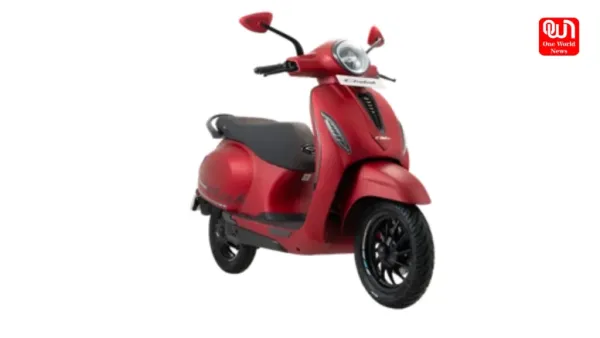
Bajaj Chetak C3501
What Specific Battery Technology Powers the Vehicle?
The battery serves as the heart of any reliable electric bike today. You need to inquire whether the model utilises Lithium-ion (Li-ion) chemistry or Lithium Iron Phosphate (LFP) cells. Lithium-ion batteries deliver excellent energy density, which provides lightweight performance and swift acceleration for nimble urban handling.
Alternatively, LFP batteries offer superior thermal stability alongside a significantly longer overall operational lifespan. Knowing the exact battery type helps you evaluate how the vehicle handles ambient temperatures and heavy, long-term daily usage.
How Long Does a Full Charge Take?
Charging times vary dramatically based on the internal battery capacity and the specific charging equipment used. You should find out exactly how many hours a standard home socket requires to achieve a complete charge. This information is crucial if you intend to plug your vehicle in overnight before heading to work.
Additionally, ask if the model supports public DC fast-charging stations for quick top-ups. Understanding these charging metrics ensures that you can smoothly integrate the vehicle into your current lifestyle without facing disruptive downtime.
Is the Battery Pack Removable or Fixed?
A removable battery offers incredible flexibility for urban residents who live in high-rise flats or lack dedicated outdoor charging infrastructure. You can detach the pack and carry it indoors to charge from any standard domestic wall socket.
Conversely, a fixed battery design requires a secure garage or an easily accessible outdoor charging point near your parking space. Clarifying this structural feature prevents significant logistical headaches once you bring your new vehicle home from the dealership.
What Separate Operational Riding Modes are Available?
Most modern electric vehicles feature distinct riding modes designed to optimise power consumption for different road scenarios. An Eco mode restricts top speed to maximise battery range, making it ideal for congested city centre traffic.
A Sport or Turbo mode delivers instant torque and swift acceleration at the direct expense of your total battery life. Learning about these operational modes allows you to manage your daily power reserves efficiently based on changing traffic conditions.
What are the Expected Routine Maintenance Costs?
Electric two-wheelers feature far fewer moving parts than traditional petrol alternatives, which dramatically reduces the frequency of mechanical breakdowns. You will completely avoid complex oil changes, spark plug replacements, exhaust repairs, and tedious clutch adjustments.
However, you still need to budget for routine wear on brake pads, tyres, suspension components, and minor fluid top-ups. Asking about these service schedules helps you calculate the precise total cost of ownership over the coming years.
Bajaj Chetak C2501
Are Spare Parts and Authorised Service Centres Readily Accessible?
Before finalising your purchase, confirm that the manufacturer maintains an established, well-supplied network of local service centres. Finding replacement body panels, specialised electronic components, or software updates can become incredibly difficult if the brand lacks local support.
A reliable manufacturer ensures that qualified technicians are always nearby to handle intricate electronic issues safely. Choosing an established brand safeguards your daily commute from prolonged delays caused by simple part shortages.
Read more: Frequent EV Scooter Problems and How to Prevent Them
Does the Model Qualify for Government Incentives?
Many regional governments offer lucrative financial incentives, tax rebates, or grants to encourage commuters to adopt eco-friendly transport options. You should ask the dealer if your chosen model qualifies for any active green subsidies or reduced registration fees.
These financial schemes can significantly lower your initial upfront purchase price, making premium electric models much more affordable. Capitalising on these active incentives maximises the financial returns on your sustainable transport investment.
Take the Next Step Towards Smarter Electric Mobility
Purchasing your first electric bike is a fantastic step towards a cleaner, more cost-effective, and highly efficient future. By addressing critical questions about battery technology, motor placement, and warranty terms, you can make a well-informed decision and avoid unexpected expenses later. Brands like Bajaj Chetak are continually introducing electric mobility solutions, making the transition to electric vehicles even more practical.
Take your time to compare different models, go for test rides, speak with authorised specialists, and choose an electric bike that aligns perfectly with your daily commuting requirements and long-term expectations. A thoughtful choice today can make every future ride smoother, smarter, and more dependable.
-
Newcastle and AC Milan in talks as Magpies’ first Fikayo Tomori bid falls short

-
Hardik Pandya's Recovery Takes Major Turn Ahead Of World Cup 2027

-
€1 million donation and three matches: German FA confirms unusual Red Bull deal to appoint Jurgen Klopp as national team boss

-
IND Vs ZIM: Tilak Varma Suffers Painful Blow After Bennett's Rocket Shot At Cover

-
Kalyan School Hosts Inter-Science Exhibition Blending Robotics, Environment And Traditional Indian Art Forms